
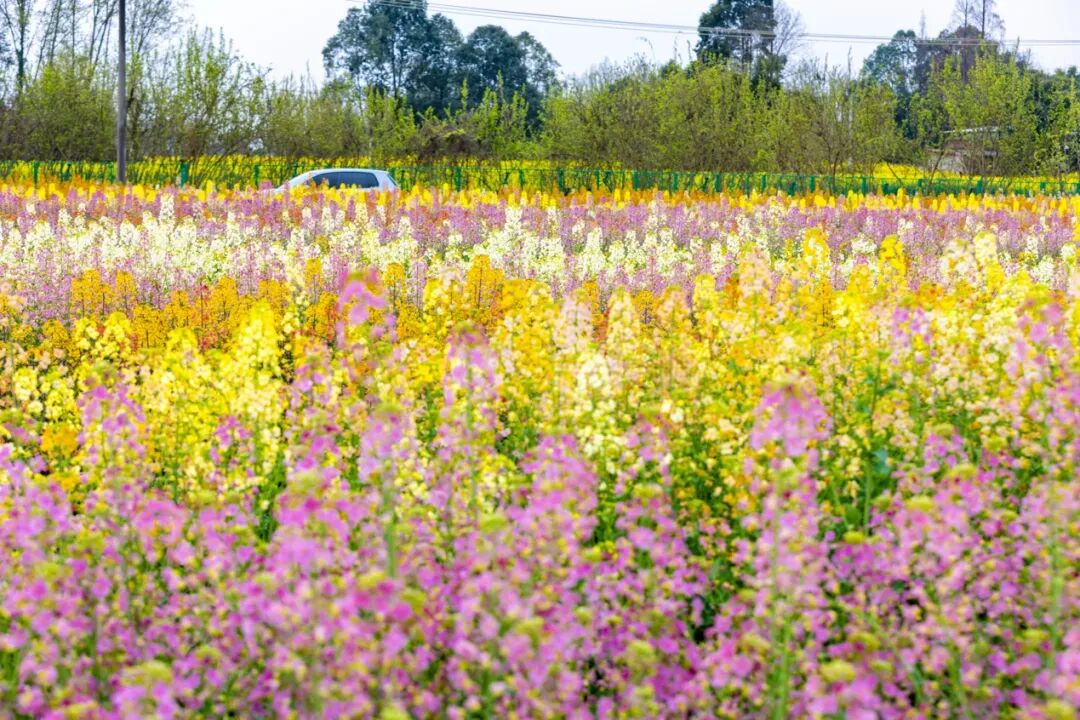
As the warm spring sunshine beckons, it is the perfect time for spring outings and flower viewing. For those with sensitivities, venturing outdoors during the period may require extra caution.
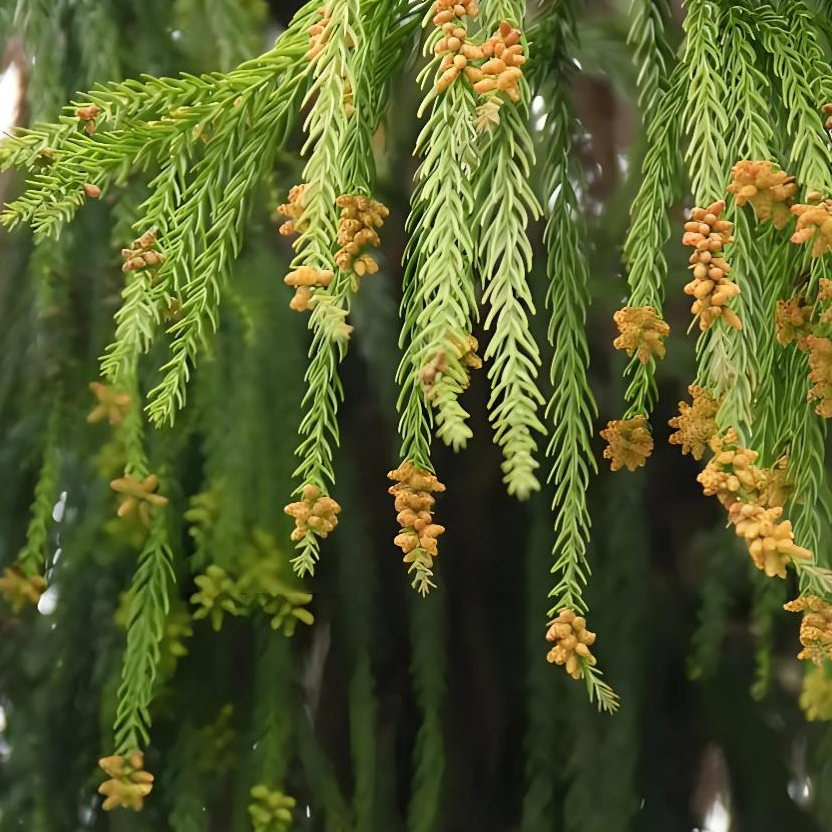
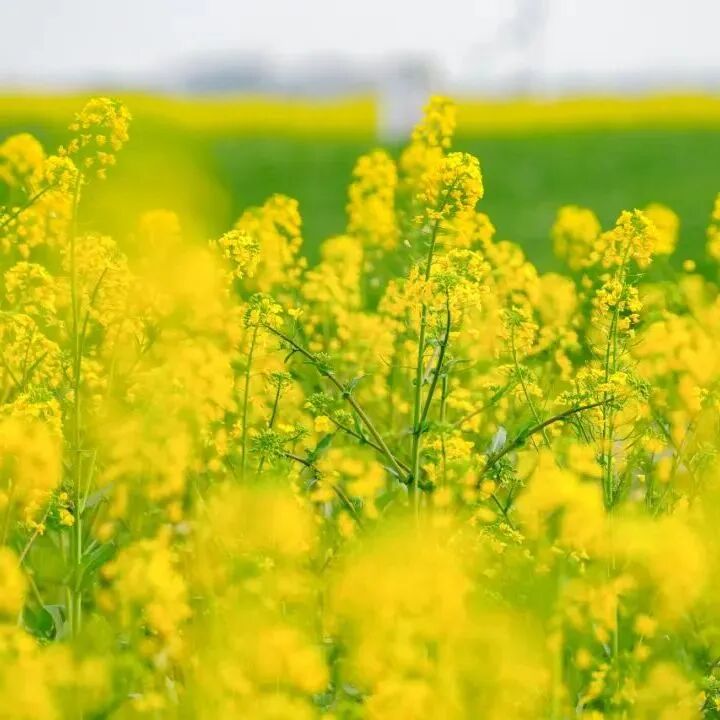
Recently, rapeseed flowers are in blossom in Chengdu. Plants that cause pollen allergy primarily include species from the Cupressaceae family, such as the Platycladus genus, the Juniperus genus, and the Cryptomeria genus, as well as rapeseed flowers. Sensitive individuals are advised to avoid exposure to these plants.
 Three Common Misconceptions
Misconception 1: Staying indoors can prevent allergies
Fact: Pollen can enter rooms through gaps in doors and windows. Therefore, staying indoors will not prevent allergies. During the peak pollen season, it is essential to keep doors and windows tightly closed and to use damp mops, cloths, and other tools to reduce dust.
Misconception 2: Medication is only necessary when symptoms occur
误区二:有过敏症状了才用药
Fact: Many anti-allergy medicines work preventively. For those with a history of allergies, it is advisable to start anti-allergy medication one to two weeks before pollen dominates. For those with a history of allergic conjunctivitis, beginning medication two to three months in advance may yield more effective results.
Misconception 3: A mask is enough to prevent allergies
Fact: Gauze masks and non‑woven fabric masks have relatively large gaps and are limited in preventing pollen allergies. Only medical masks with a melt-blown fabric layer and specialized protective masks can provide effective filtration.
 Key Prevention Measures
 1 The most effective way to prevent or reduce discomfort for those prone to allergies is to avoid exposure to allergens and take appropriate precautions based on individual conditions.
 2 During the peak pollen season, it is necessary to keep doors and windows closed to limit airflow. Homes with access to a fresh air system or an air purifier are encouraged to use them.
 3 For those who need to go out, it is recommended to schedule outdoor activities during times when pollen concentrations are lower, such as early morning and evening.
 4 Wearing anti-pollen glasses can reduce contact between pollen particles and the conjunctiva by approximately 65%.
 5 Wearing anti-pollen masks and using pollen blockers can effectively filter out pollen.
 Cautions
01 Thunderstorms are not effective at clearing pollen from the air. They can cause pollen particles to swell and rupture into smaller, more allergenic particles. It is best to avoid outdoor activities before and after a thunderstorm.
02  Typically, wool clothing is more prone to generating static electricity and attracting pollen than clothes made of cotton or chemical fibers. Therefore, it is suggested to wear clothes of smooth-textured materials for outdoor activities. Upon returning home, be sure to wash hands and face promptly and change outerwear to remove any allergens that may have settled on the clothes or skin.
03 If allergy symptoms occur despite these precautions, medication should be used under doctor supervision. For patients with progressively worsening allergy symptoms, desensitization therapy may be considered.
Feel free to share this guide with someone sensitive to pollen!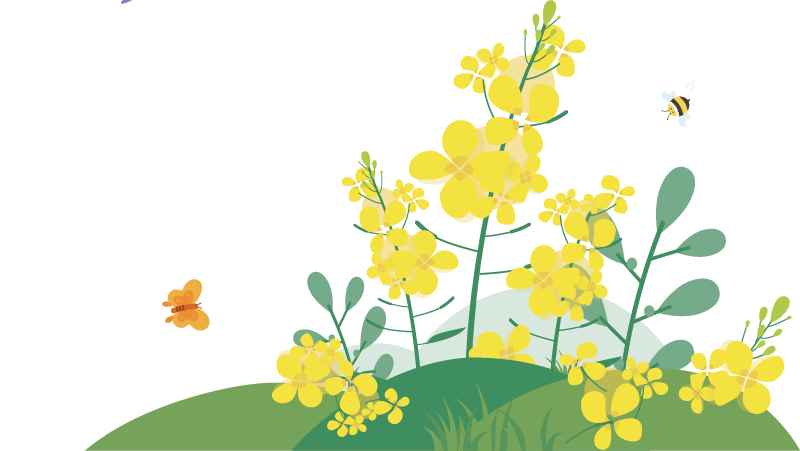
Source: HomeinChengdu
Events
More+-

Registration for 2026 Shenzhen Marathon to open Sunday
-

Source: Beijing Youth Daily; official WeChat account of the Beijing Marathon
-

Russian Soprano Aisulu Salmanova Chinese and Foreign Classics Concert
-

2026 Beijing Book Fair to Open on September 17!
-
Osmanthus market to open next Wednesday
Discover










 京公网安备11010802044359
Contact Us:86-10-58882453 86-10-58882413