
「Beijing Exhibition」One of China’s Last Matrilineal Societies
Mar 05, 2026
Beijing 2026.03.05 - 2026.03.15

For Beijing lifestyle guide, tap Below to Follow
What comes to mind when you hear the phrase “matrilineal society”? Is it a world where women hold authority, or simply a reversal of the patriarchal structures we are used to imagining?
Yet in reality, the Mosuo community around Lugu Lake in southwest China offers something far more subtle. Here, “matrilineal” is not a slogan about power or gender. It is a way of organizing everyday life — visible in how families share a home, how children are raised, and how responsibilities move quietly between generations.
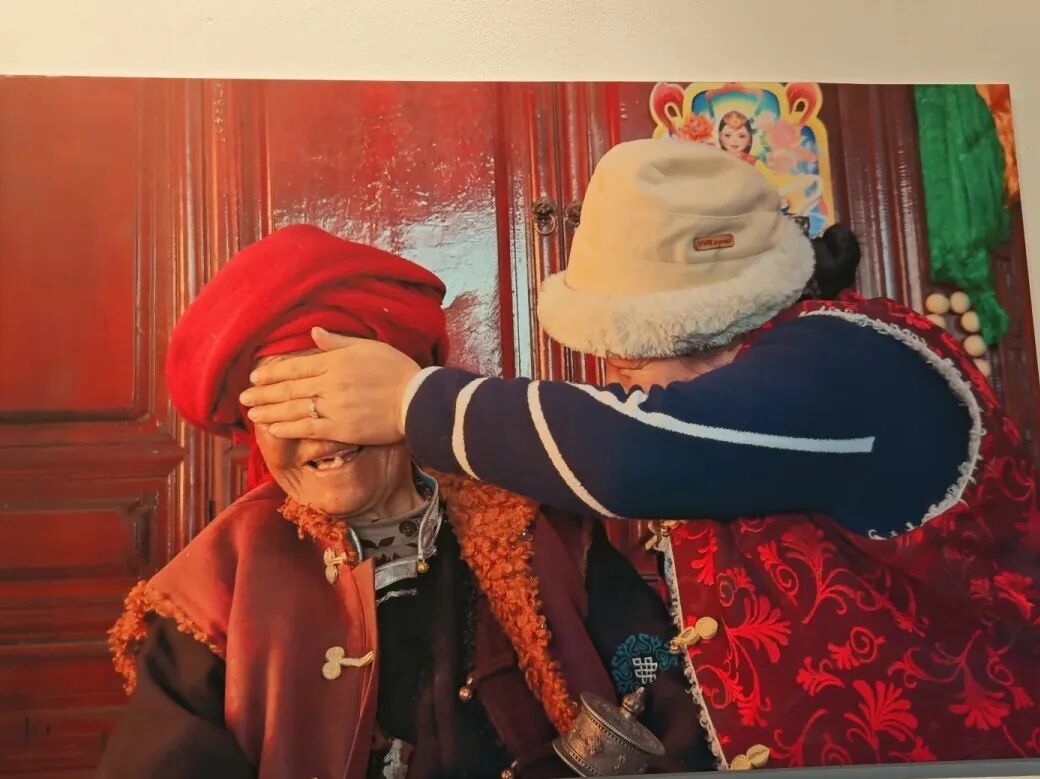
The Mosuo people live around Lugu Lake on the border between Yunnan and Sichuan in southwest China. Their community is widely known for preserving a matrilineal family structure, where family lineage traditionally follows the mother’s line and several generations often live together in the same household.
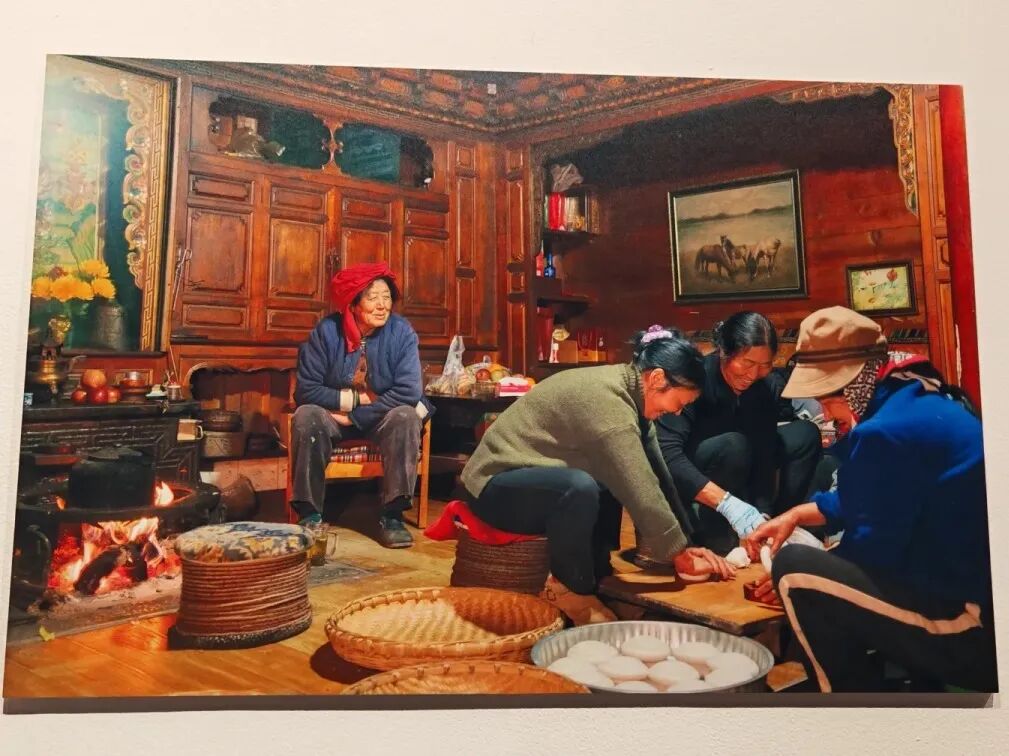
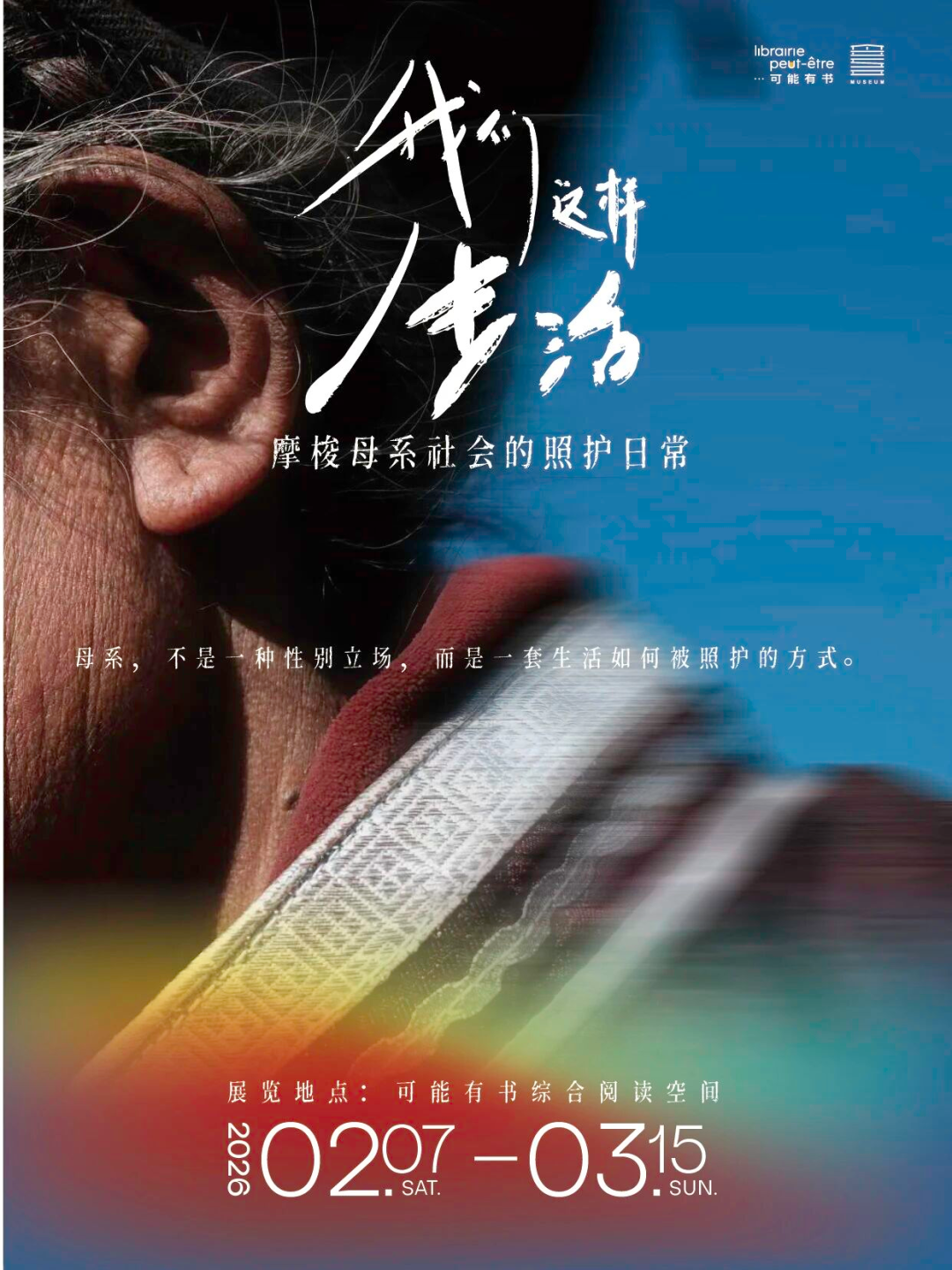
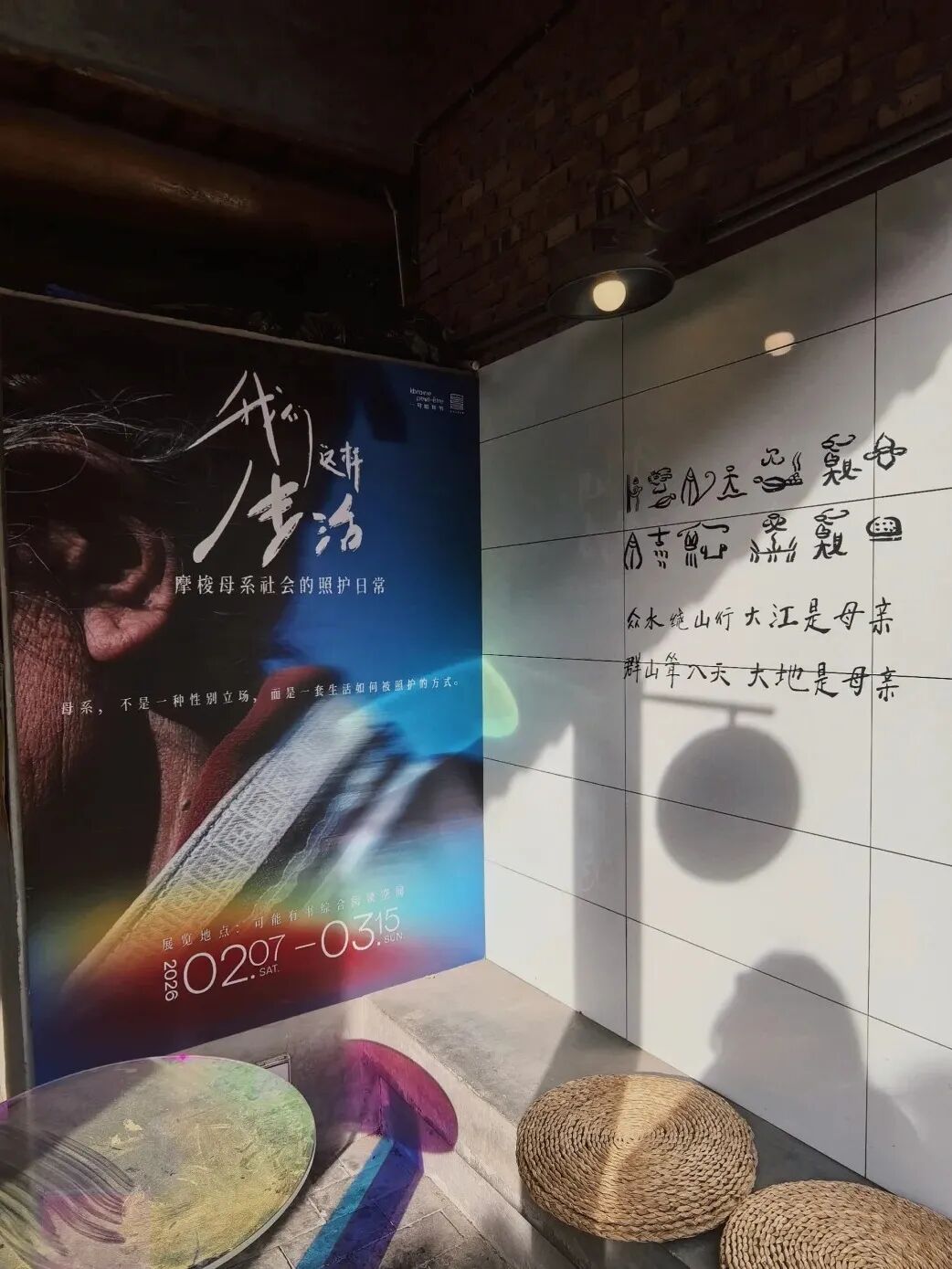
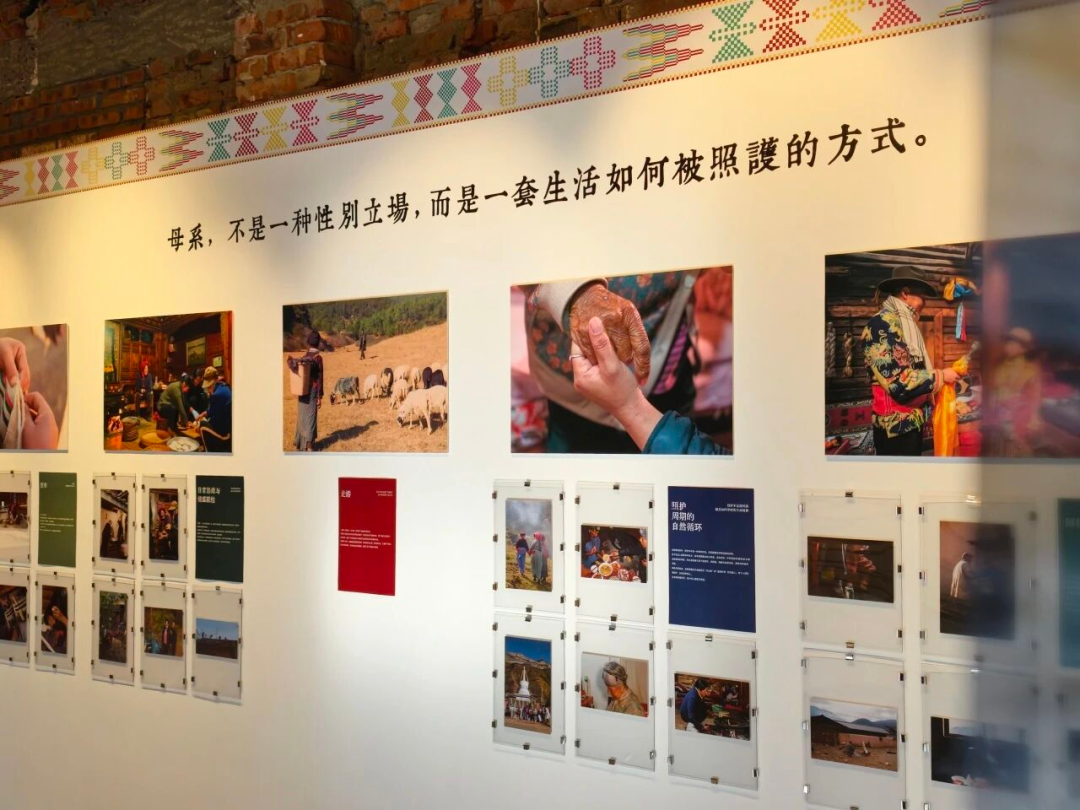
The exhibition “How We Live — Everyday Care in the Mosuo Matrilineal Society” focuses precisely on these everyday details. Rather than presenting Mosuo culture as something distant or exotic, it looks closely at how a community organizes care in daily life.
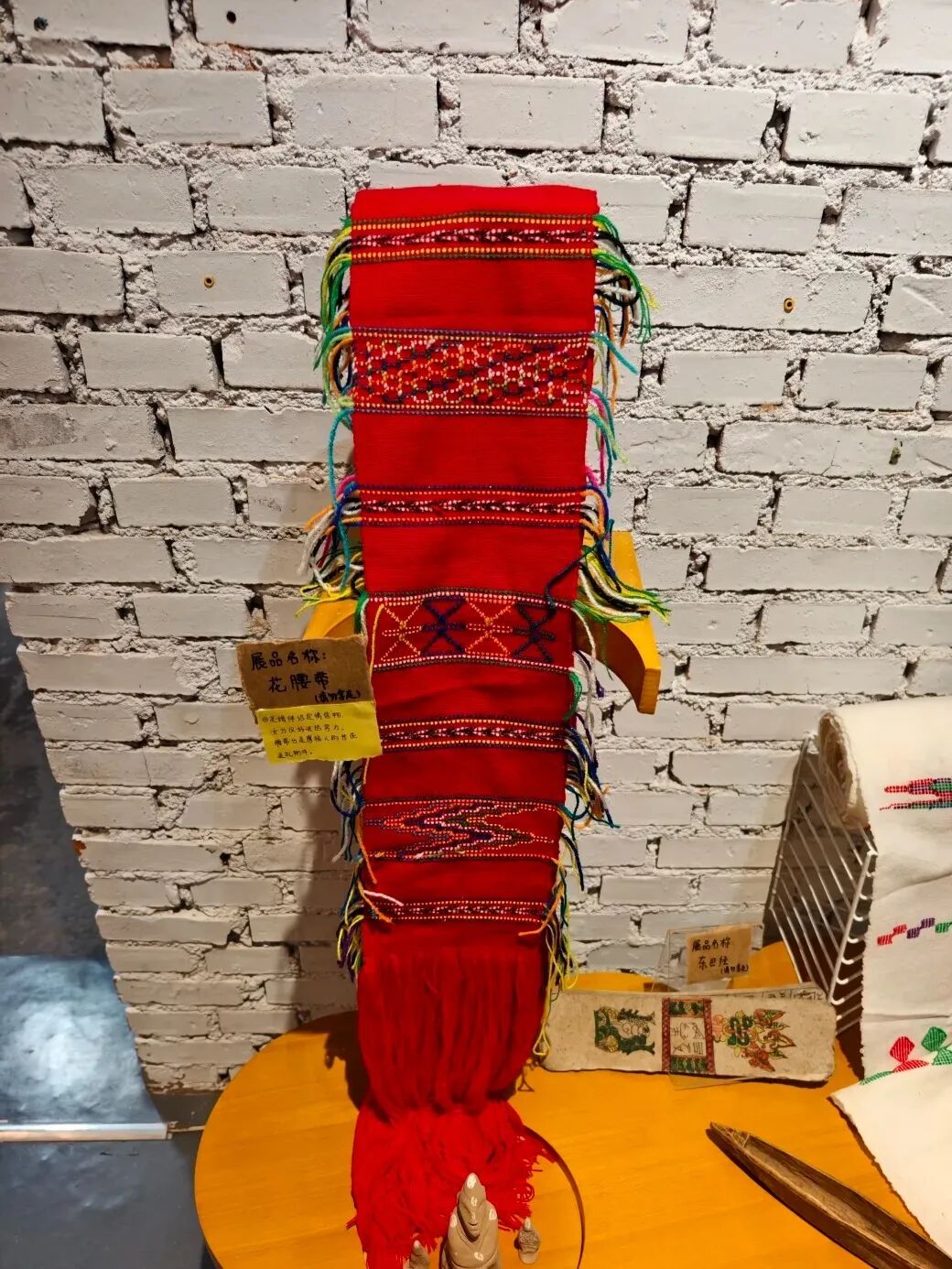
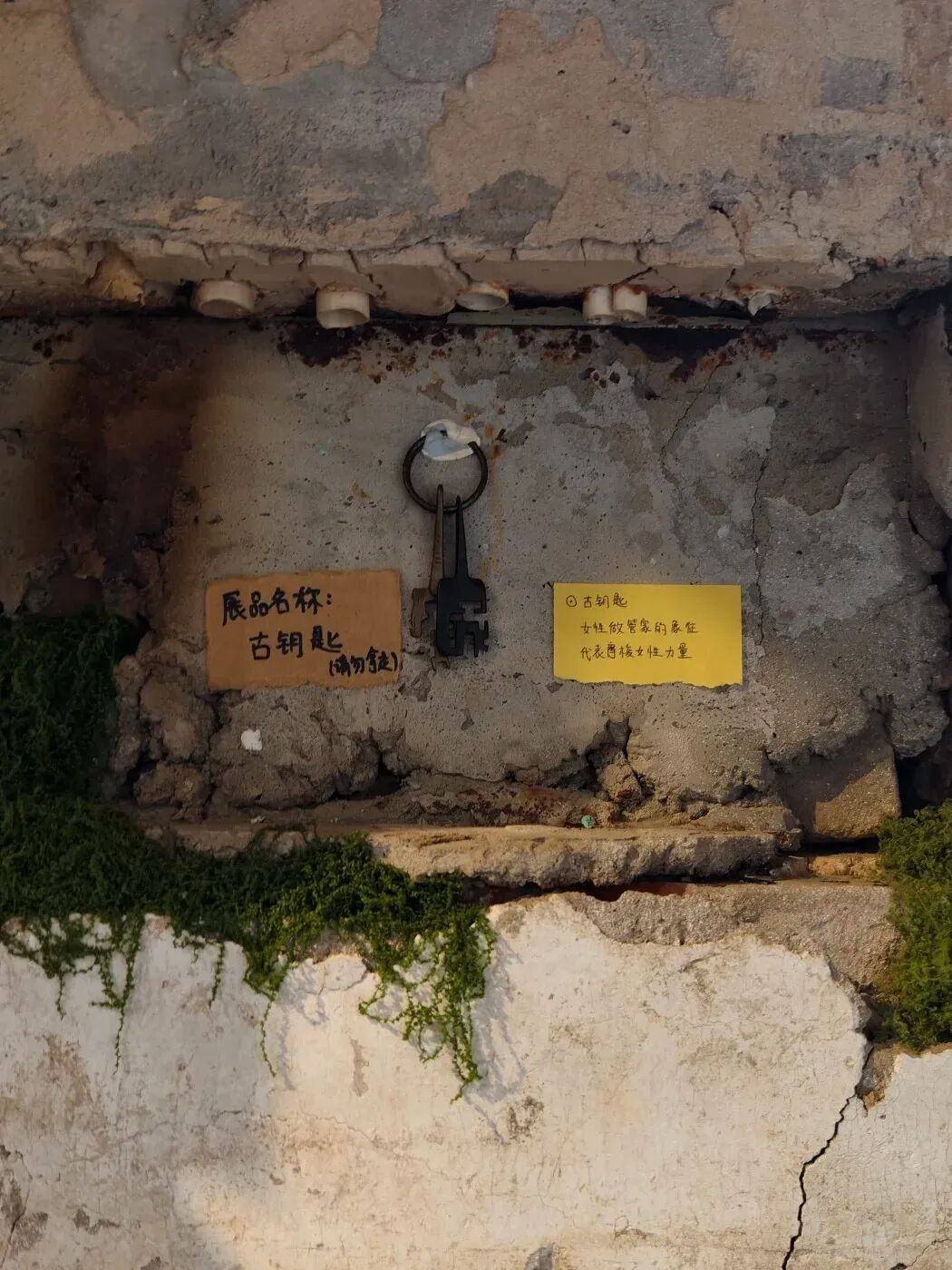
Photographs, field notes and fragments of daily objects reveal how the household becomes the center of relationships. Within one home, people grow up, work and grow old together, sharing responsibilities and negotiating the rhythms of life.
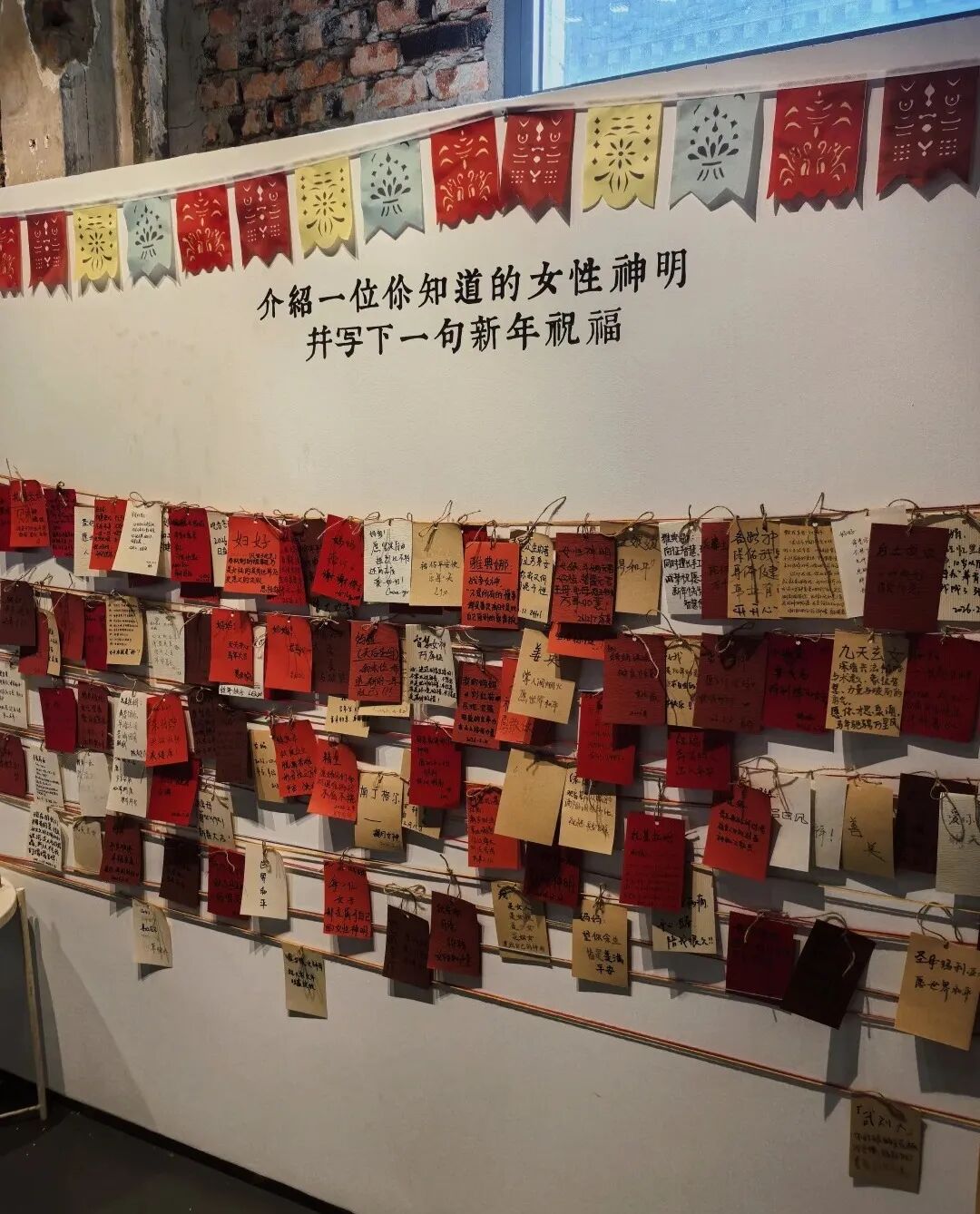
What makes the exhibition powerful is not only its portrayal of Mosuo life, but the questions it quietly raises for visitors.
In modern cities, families are often smaller and more fragmented, and care frequently falls on only one or two individuals. The Mosuo experience reminds us that family life can also be organized through shared responsibility and collective support.
Standing among these fragments of everyday life, visitors may begin to reflect on their own relationships and communities — and perhaps imagine other ways of living together.
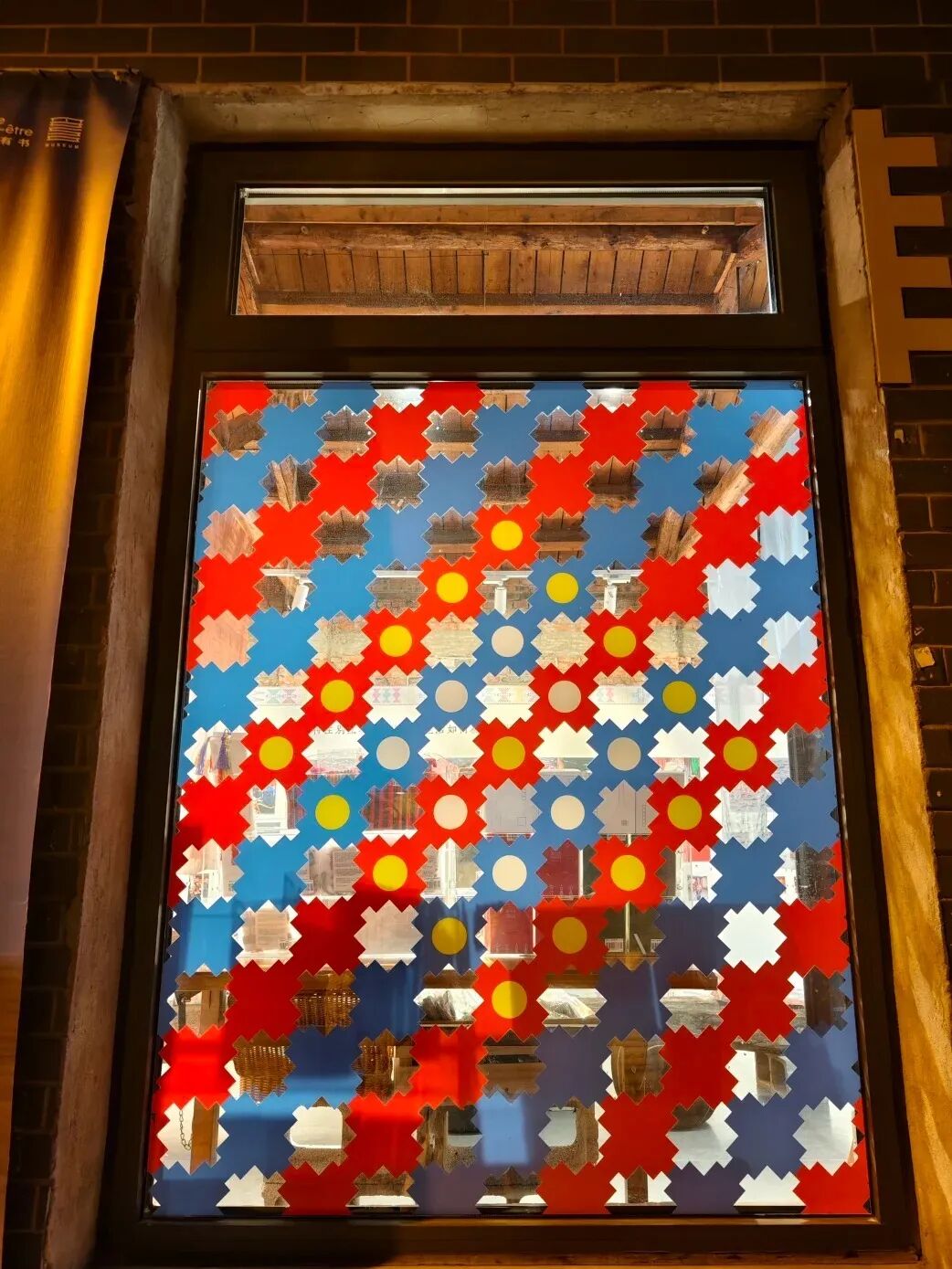
Information
Dates: 02.07–03.15 10:00-21:00
Venue: Keyou Bookstore
Address: 49 Qianchaomian HutongDongcheng District, Beijing
Free entry, no reservation required
Source:可能有书




 京公网安备11010802044359
Contact Us:86-10-58882453 86-10-58882413