Qingdao Agricultural University Introduction
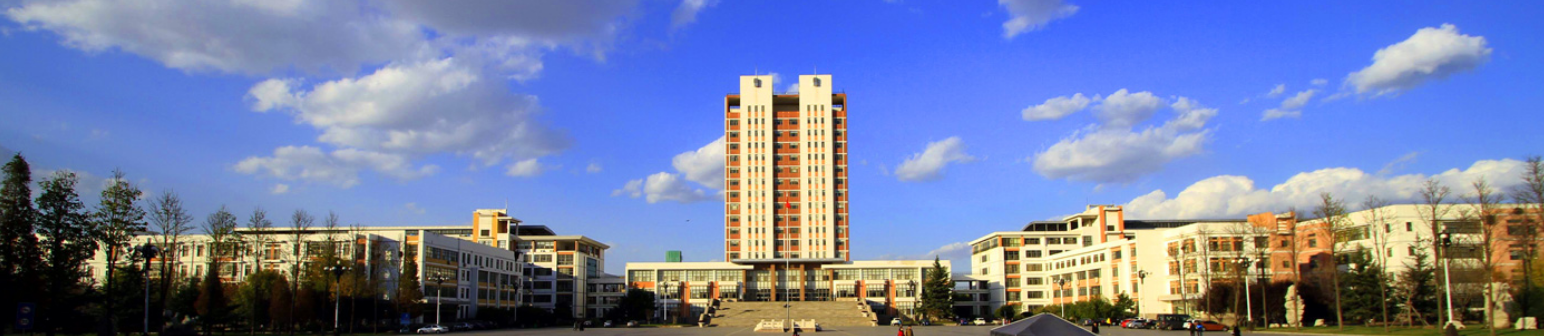
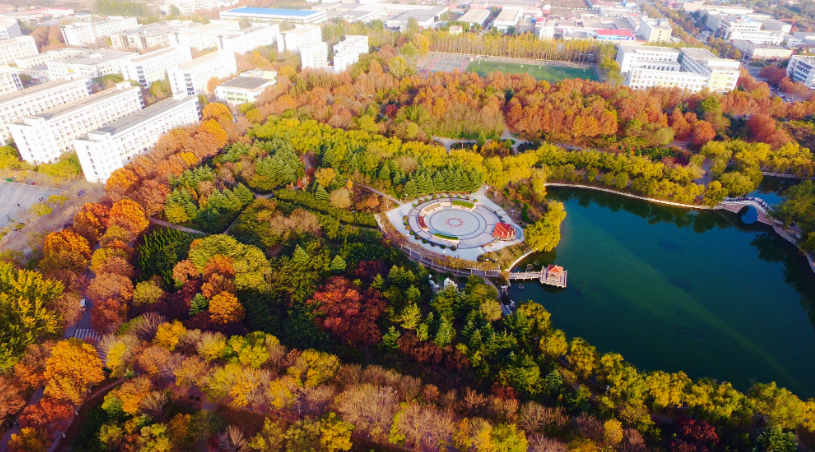
Qingdao Agricultural University was founded in 1951 and has Chengyang, Pingdu, Laiyang campuses and a Modern Agricultural Science and Technology Service Center (Jiaozhou, Pingdu). The university covers a total area of over 6,400 mu, with a total building area of over 1.1 million square meters and a total value of teaching and research equipment of 816 million yuan.
Through long-term practice in running the university, it has forged the motto "Houde, Boxue, Duxing, Zhiyuan" (厚德、博学、笃行、致远) and the ethos "Diligence, Rigor, Truth-seeking, Innovation" (勤奋、严谨、求实、创新), and developed the educational characteristic of "being dedicated to agriculture, rural areas and farmers, diligent and truth-seeking, constantly striving for self-improvement, pursuing excellence, and cultivating high-quality applied talents." The university is among the first batch of institutions approved by the State Council to confer bachelor's degrees. It currently covers eight discipline categories: agriculture, engineering, science, economics, management, literature, art, and law. It has 26 teaching colleges and departments, 1 postdoctoral research station, 4 first-level doctoral degree programs, 15 first-level master's degree programs, 16 professional master's degree categories, and 85 undergraduate programs, with more than 30,000 full-time students. It has formed a multi-level educational pattern with coordinated development of undergraduate education, graduate education, continuing education, and international student education. The university is an excellent institution in the Ministry of Education's undergraduate teaching level evaluation, a construction unit for Shandong Province's "High-Level University" and "High-Level Discipline" programs, and has been rated as a key construction university under the "Shandong Characteristic Famous University Project."
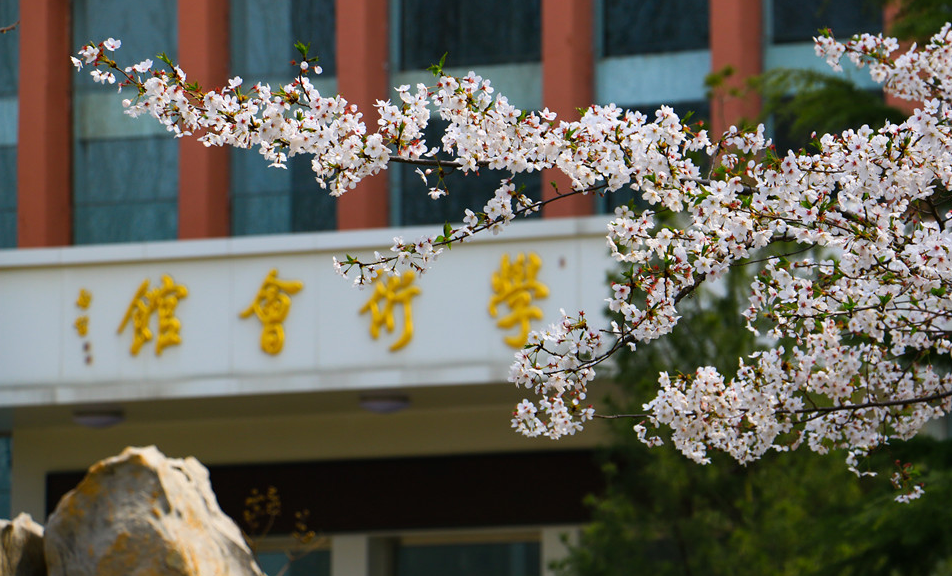
The university has a high-level faculty team with noble ethics, excellent professional skills, a reasonable structure, and full vitality. At present, it has 4 foreign academicians, 69 person-times of national-level talents such as recipients of the "Changjiang Scholars Award Program" and the National Science Fund for Distinguished Young Scholars, and over 200 person-times of provincial-level talents such as Shandong Province's "One Case One Discussion" top talents and Taishan Scholars. It has 2 national Huang Danian-style teacher teams in higher education institutions, 58 young innovation teams in Shandong higher education institutions, and has been awarded the honorary title of "Advanced Unit in Talent Work of Shandong Province" by the Shandong Provincial Party Committee and Provincial Government on multiple occasions.
The university's Agricultural Science has entered the global top 1‰ of ESI rankings; Plant & Animal Science, Agricultural Science, Chemistry, Engineering, Environment/Ecology, Materials Science, Biology & Biochemistry, and Microbiology rank in the global top 1% of ESI. Aquaculture and Agricultural Engineering are Shandong provincial high-level disciplines (including cultivation disciplines), and Aquaculture and Plant & Animal Science (including Grass Science) are Shandong provincial first-class disciplines. The university has 9 national-level science and technology innovation platforms (R&D and training bases), 40 provincial and ministerial-level innovation platforms (key laboratories, collaborative innovation centers, engineering laboratories, etc.), and 79 department-level innovation platforms (provincial education department laboratory system, municipal key laboratories, engineering technology centers, and science and technology innovation bases, etc.).
The university focuses on cultivating high-quality talents who know agriculture, love agriculture, strengthen agriculture, and revitalize agriculture. It currently has 14 national first-class program construction points, 6 national characteristic programs of various types, 2 programs accredited by the national engineering education accreditation system, 21 provincial first-class program construction points, and 28 provincial characteristic programs of various types. It has built 24 provincial teaching platforms such as provincial curriculum ideological and political teaching research demonstration centers and modern industry colleges. There are 84 national and provincial first-class undergraduate courses and curriculum ideological and political demonstration courses; 61 graduate curriculum ideological and political demonstration courses and provincial high-quality graduate courses; 56 provincial excellent and high-quality professional degree teaching case libraries for graduate students; and 2 continuing education curriculum ideological and political demonstration courses. In recent years, teachers have won 108 awards in teaching competitions at or above the provincial level, and cultivated 97 national and provincial teaching achievement awards, including 17 provincial teaching achievement awards in graduate education. The university has 14 provincial graduate joint training bases, 1 national agricultural professional degree graduate practice education base, 62 Science and Technology Backyards jointly supported by the Ministry of Education, the Ministry of Agriculture and Rural Affairs, and the General Office of the China Association for Science and Technology, as well as Science and Technology Backyards of the China Rural Professional Technology Association, and has been approved as a national Science and Technology Backyard training base.
The university adheres to conducting basic and applied research oriented toward production practice. Since 1978, it has received a total of 253 provincial and ministerial-level or above science and technology achievement awards, including 14 national science and technology awards and 40 provincial and ministerial-level first-class achievement awards. The number and level of awards rank among the top among Shandong provincial universities. From the 1970s to the 1990s, it successively pioneered theories and technologies for large-area cultivation of wheat, summer maize, and dryland wheat with yields exceeding 1,000 jin per mu in northern China, and theories and technologies for large-area cultivation of summer peanuts exceeding 800 jin per mu, making major contributions to ensuring national food security, increasing grain and oil crop production, and promoting the development of animal husbandry. Since the new century, it has made outstanding achievements in fields such as plant genetic breeding, animal genetics and variety improvement, modern agricultural equipment research and development, biopharmaceutical technology, research on policies concerning agriculture, rural areas and farmers, and modern media technology research and development. Since the "14th Five-Year Plan," the university's total research funding has reached 2.3 billion yuan, and it has received a total of 278 National Natural Science Foundation and National Social Science Fund projects, ranking among the top Shandong provincial universities.
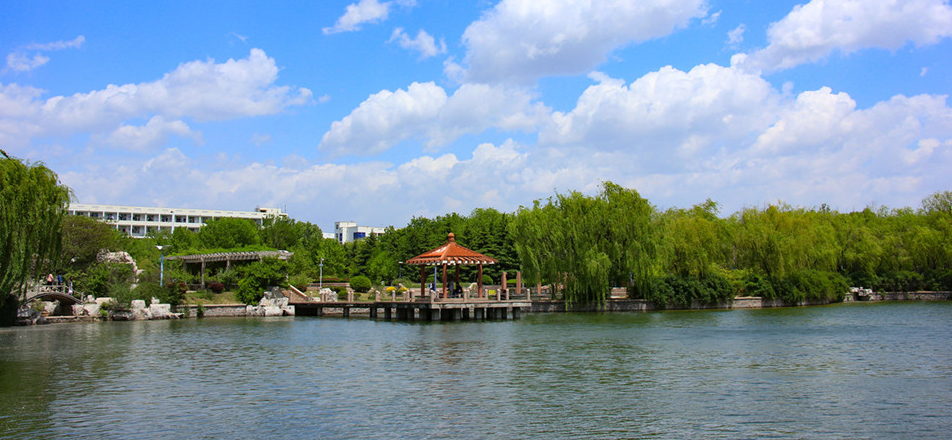
The university actively aligns with industrial development needs to advance social service work. Focusing on serving the ecological protection and high-quality development of the Yellow River Basin, the university has been approved for the Ministry of Agriculture and Rural Affairs' Yellow River Delta Saline-Alkali Land Agricultural Comprehensive Scientific Research Experimental Base and the Ministry of Agriculture and Rural Affairs' Dongying Field Scientific Observation and Research Station for Animal Diseases, and has become a co-construction unit of the National Saline-Alkali Land Comprehensive Utilization Technology Innovation Center. Its project "Eighteen Years of Dedicated Cultivation: Integrating Four Chains to Serve National Strategy" was commended by the Provincial Development and Reform Commission (the only university in the province). With Shandong as its base, its social service footprint extends to 26 provinces (municipalities and autonomous regions) including Inner Mongolia, Xinjiang, and Gansu. It has carried out science and technology service cooperation with 62 cities (counties and districts), built 12 regional research institutes with high quality, established China's first cooperative college, and has been commended as an advanced unit in agricultural research and technology extension in Shandong Province and an advanced collective in science and technology revitalizing agriculture in Shandong Province. It has explored and established the "1+5" Qingdao Agricultural University model for social services by science and technology commissioners. As the only university-type science and technology commissioner organization and implementation unit in Shandong Province, it was praised in a circular by the Ministry of Science and Technology, and in 2021 it was awarded the special award of merit as a collective in the poverty alleviation campaign of public institutions in the province.
The university continuously strengthens and improves Party building and ideological and political work. It has successively won honorary titles such as national and provincial advanced grassroots Party organizations, advanced universities in Party building and ideological and political work, excellent universities in moral education evaluation, cultivation and construction unit of the "Three-Wide Education" and whole-environment moral education demonstration school, and safe campus. The university solidly advances the "two innovations" in culture, adheres to educating people through culture and cultivating people with culture, and has cultivated and built a number of distinctive and widely influential campus cultural brands such as Qimin Academy, the Institute of Chinese Studies, the College Students' Science, Technology, Culture and Art Festival, the Garden Culture Festival, and the Twenty-Four Solar Terms of Agricultural University. It has been approved as one of the first batch of demonstration schools for the inheritance of China's fine traditional culture in Shandong Province, selected as one of the first batch of pilot units for Shandong Education Converged Media Construction, and rated as a "Civilized Campus of Shandong Province" and a "Civilized Campus of Qingdao."
The university adheres to open and cooperative education. It has established friendly cooperative relations with more than 100 universities, research institutes, and institutions in over 20 countries and regions, and is one of the earliest provincial universities in Shandong to admit international students. It has established Chinese-foreign cooperative educational institutions and programs with universities such as the Royal Agricultural University in the UK, and has been approved as a project establishment and construction unit of the Shandong Provincial Chinese-Foreign Cooperative Education Demonstration Project and a Shandong Provincial Characteristic Professional College. It has carried out 34 student exchange programs with foreign institutions, building an international talent training system covering undergraduate, master's, and doctoral students. It has built 10 international cooperation platforms such as the "China-UK Sustainable Agricultural Science and Technology Park" and the "China-Uruguay Joint Laboratory for Grassland and Animal Husbandry." It has been selected as a Chinese project university of the Shanghai Cooperation Organization University, participated in the co-construction of the SCO Demonstration Zone Modern Agricultural Exchange and Training Base, was approved as one of the first batch of national agricultural foreign-related training cooperation and exchange sites, and the "SCO National Modern Agricultural Sustainable Development Research Center" was approved as a Shandong Provincial Foreign Affairs Research and Development Think Tank. The SCO National Poverty Reduction and Development Seminar, hosted by the university for two consecutive years, was included by the Ministry of Foreign Affairs in the "List of Achievements of China's Chairmanship of the Shanghai Cooperation Organization 2024–2025."(Updated in May 2026)
International Education Overview
The College of International Education of Qingdao Agricultural University was established in 2008, formerly known as the Sino-Canadian Business College founded in 2002. It is mainly responsible for international Chinese language education and the management of international students. It began enrolling students in Chinese-foreign cooperative education programs in 2005 and began admitting international students in 2007. Since its establishment, the College has enrolled more than 2,000 international students from over 30 countries across five continents, covering multiple levels including language trainees, undergraduates, and master's students.
At present, the College is mainly responsible for teaching Chinese to international students in China and has established a relatively complete quality assurance system for international student education. All students are based at the Chengyang Campus. Grounded in the university's agricultural characteristics, the College is committed to telling the stories of the university, Shandong, and China, actively organizing students to participate in various competitions and achieving outstanding results, thereby enhancing international students' enthusiasm for understanding, befriending, and loving China.
The College of International Education will focus on major national and local development strategies, combine them with the university's actual conditions, continuously improve the training system, perfect management regulations, and streamline training mechanisms. With the goal of serving the university's key work and high-quality disciplinary development, it will further expand the levels of international student training, strive to enhance the university's level of internationalization, and comprehensively promote the university's high-quality development. (Updated in March 2025)
Directions to the University (Qingdao Campuses)
1. Chengyang Campus:
- A. Qingdao Jiaodong International Airport
Metro: (Entrance) Take Metro Line 8 from Jiaodong Airport Station (towards Qingdao North Railway Station) to Qingdao North Railway Station, transfer within the station to Metro Line 1 (towards Dongguozhuang) to Goucha Station. Exit from Exit D of Goucha Station and walk straight for 235 meters to reach Qingdao Agricultural University (Northeast Gate).
Bus: Take Bus 916 from Jiaodong International Airport Bus Stop to Lijiaoqiao Bus Stop, transfer within the stop to Bus 915 to Agricultural University East Station Bus Stop, and walk 76 meters to reach Qingdao Agricultural University (East Gate). - B. Qingdao North Bus Station
Metro: (Entrance) Take Metro Line 1 from Xianjiazha (North Bus Station) Station (Exit A2) (towards Dongguozhuang) to Goucha Station. Exit from Exit D of Goucha Station and walk straight for 235 meters to reach Qingdao Agricultural University (Northeast Gate).
Bus: Take Bus 915 from the North Gate of North Bus Station Bus Stop to Agricultural University East Station Bus Stop, and walk 76 meters to reach Qingdao Agricultural University (East Gate). - C. Qingdao Sifang Long-Distance Bus Station
Metro: Walk 931 meters to Xiaocunzhuang Metro Station (Exit A) and take Metro Line 1 (towards Dongguozhuang) to Goucha Station. Exit from Exit D of Goucha Station and walk straight for 235 meters to reach Qingdao Agricultural University (Northeast Gate).
Bus: Take Bus 325 from Hangzhou Road/Hai'an Road Stop 2 Bus Stop to Shengliqiao Bus Stop, walk 184 meters to Shengliqiao (Fangzhigu) Metro Station (Exit C2), take Metro Line 1 (towards Dongguozhuang) to Goucha Station. Exit from Exit D of Goucha Station and walk straight for 235 meters to reach Qingdao Agricultural University (Northeast Gate). - D. Qingdao North Railway Station
(Entrance) Take Metro Line 1 from Qingdao North Railway Station Metro Station (Exit A) (towards Dongguozhuang) to Goucha Station. Exit from Exit D of Goucha Station and walk straight for 235 meters to reach Qingdao Agricultural University (Northeast Gate). - E. Qingdao Railway Station
(Entrance) Take Metro Line 1 from Qingdao Station Metro Station (towards Dongguozhuang) to Goucha Station. Exit from Exit D of Goucha Station and walk straight for 235 meters to reach Qingdao Agricultural University (Northeast Gate). - F. Jimo North Railway Station
Take Bus Jiqing Line 3 from Jimo North Railway Station Bus Stop to Agricultural University Dormitory Bus Stop, and walk 1.3 kilometers to reach Qingdao Agricultural University (South Gate).
2. Pingdu Campus:
- A. Upon arriving at Pingdu High-Speed Railway Station, take city bus 401/402 from the station to Pingdu Bus Station. Go to the urban-rural bus hall at the station and take the Nancun route bus to Zhaohuzhan (Nancun Overpass) Bus Stop, then walk 1.9 kilometers to reach Qingdao Agricultural University (Pingdu Campus).
- B. Upon arriving at Pingdu Bus Station, go to the urban-rural bus hall at the station and take the Nancun route bus to Zhaohuzhan (Nancun Overpass) Bus Stop, then walk 1.9 kilometers to reach Qingdao Agricultural University (Pingdu Campus).
Frequently Used Telephone Numbers
- Tel: +86-532-58957222
- International Cooperation and Exchange Office: +86-532-58957649
- College of International Education: +86-532-58957585
website: https://www.qau.edu.cn/
Chinese Source: Official Website of Qingdao Agricultural University
The English version is for reference only. If there are differences between the English version and the Chinese version, the Chinese version shall prevail
Events
More+-

2026 ITF World Tennis Tour Junior Finals to Kick Off
-
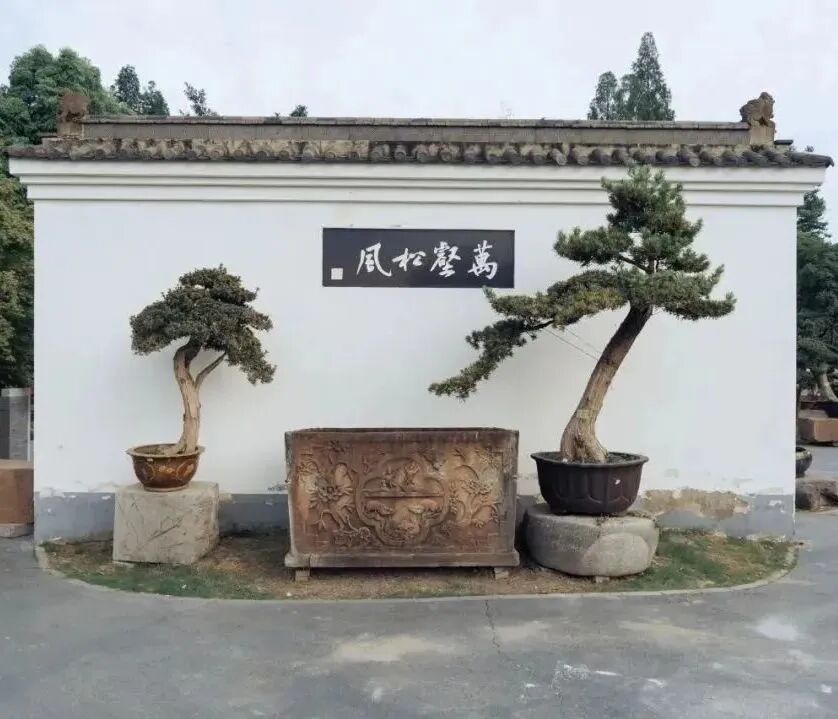
Craftsmanship in Every Landscape & Sichuan Charm in Every Breeze—2026 Yiyuan Garden Premium Sichuan-Style Penjing Exhibition
-
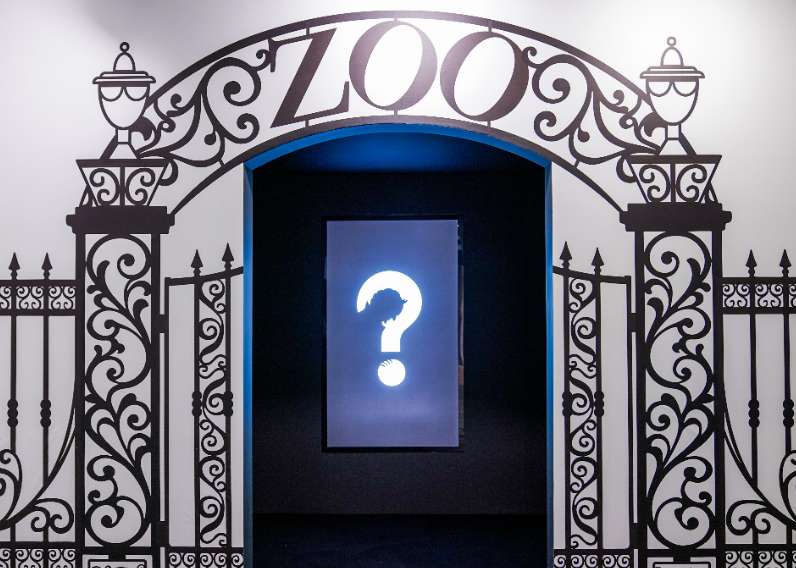
Tango Show: Zoo—Cartoonist Tango’s New Solo Exhibition
-

Fuxi: A Feast for the Universe—Qiu Jiongjiong Solo Exhibition
-
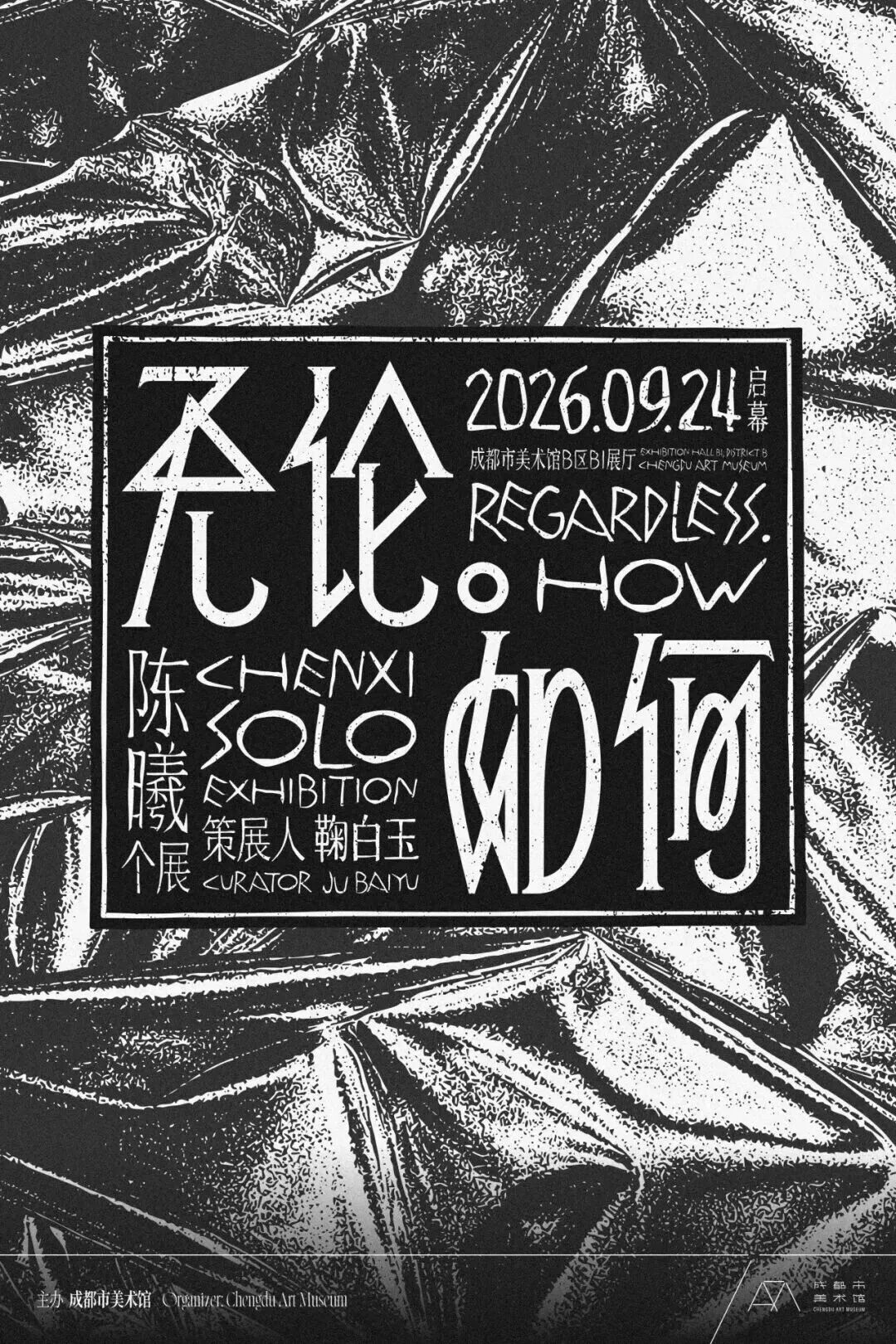
Regardless. How—Chen Xi Solo Exhibition
Discover




 京公网安备11010802044359
Contact Us:86-10-58882453 86-10-58882413