
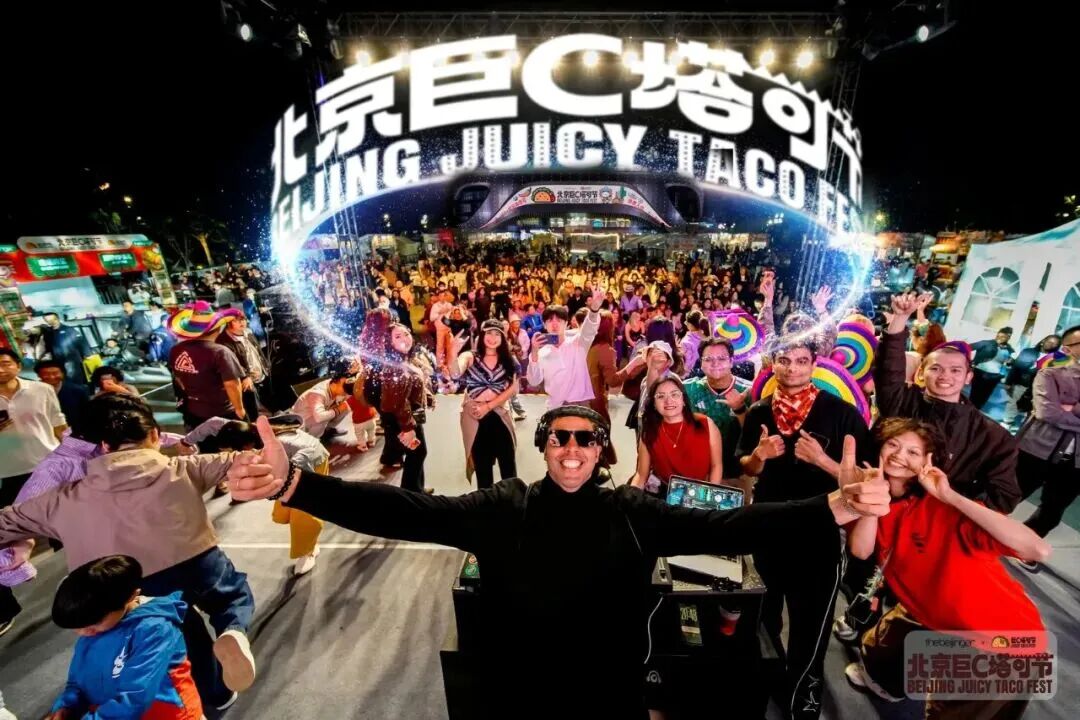
Over a thousand years ago, poets described the Dragon Boat Festival as "thunderous drums and clamorous sounds," "light sweat on the skin"—but their depictions mostly ended before sunset. Today in China, however, the festive energy doesn't fade with the setting sun. Across the country, traditional holidays are extending into the "night economy." Take Nanning as an example: according to local government data, during last year's Dragon Boat Festival holiday, the city welcomed 2.37 million tourists, generating tourism revenue of 2.082 billion yuan—nearly two-thirds of which occurred after dark. This phenomenon of a "shifted timeline" is unfolding intensively across major Chinese cities. Urban planning studies suggest that dense street networks, mixed-use neighborhoods, and extremely low crime rates form the foundation of the night economy. Yet what truly lights up these sleepless nights is the emotional connection among people. By day, the city belongs to its various social roles; by night, it belongs to everyone seeking freedom from constraints and searching for warmth.
Sources: CGTN









 京公网安备11010802044359
Contact Us:86-10-58882453 86-10-58882413