
Eduardo Vargas is one of Shanghai's most natural culinary storytellers after more than two decades in the city's ever-changing dining scene. The Peruvian-born chef redefined Shanghai cuisine with the first Azul on Dongping Road, whose brunch became a sensation two decades ago.
Eduardo arrived in the city in 2002 for a six-month assignment in Xintiandi. The brief engagement lasted a year and a half, and during that time, he met a client who would become his partner in establishing Azul, an idea that, remarkably, is still in operation today.
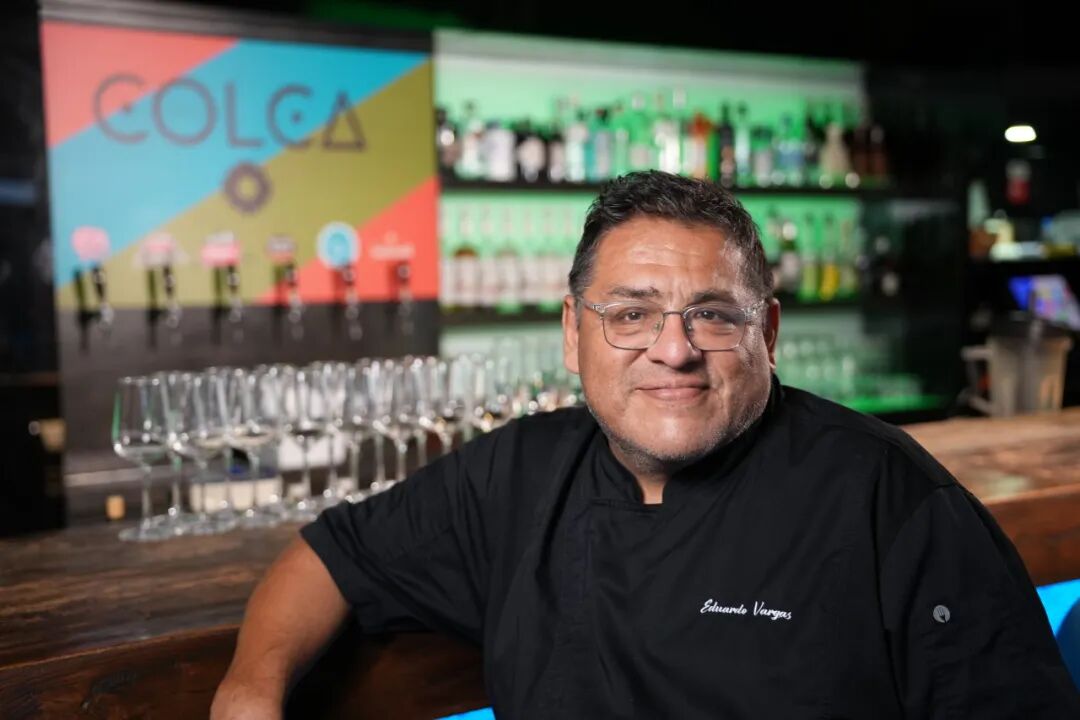
After more than two decades in Shanghai, Eduardo Vargas has earned a reputation as one of the city's most instinctive culinary storytellers.
"Back then, I wanted to eat a Caesar salad, and I couldn't find one," he said. "There weren't many options. Expats were constantly complaining that the only places to eat familiar food were hotels. It felt full of opportunity." Spotting the gap in the market, Azul was born.
Since then, Eduardo has launched venues that became expat icons and countless pop-ups and collaborations that introduced diners to new flavors before they had names. The chef would shake your hand, tell a story and offer you a shot of pisco if you needed it.
Today, his footprint in Shanghai includes three distinct concepts: Azul, Azul Italiano and Colca – each reflecting a different chapter of his evolving culinary story.
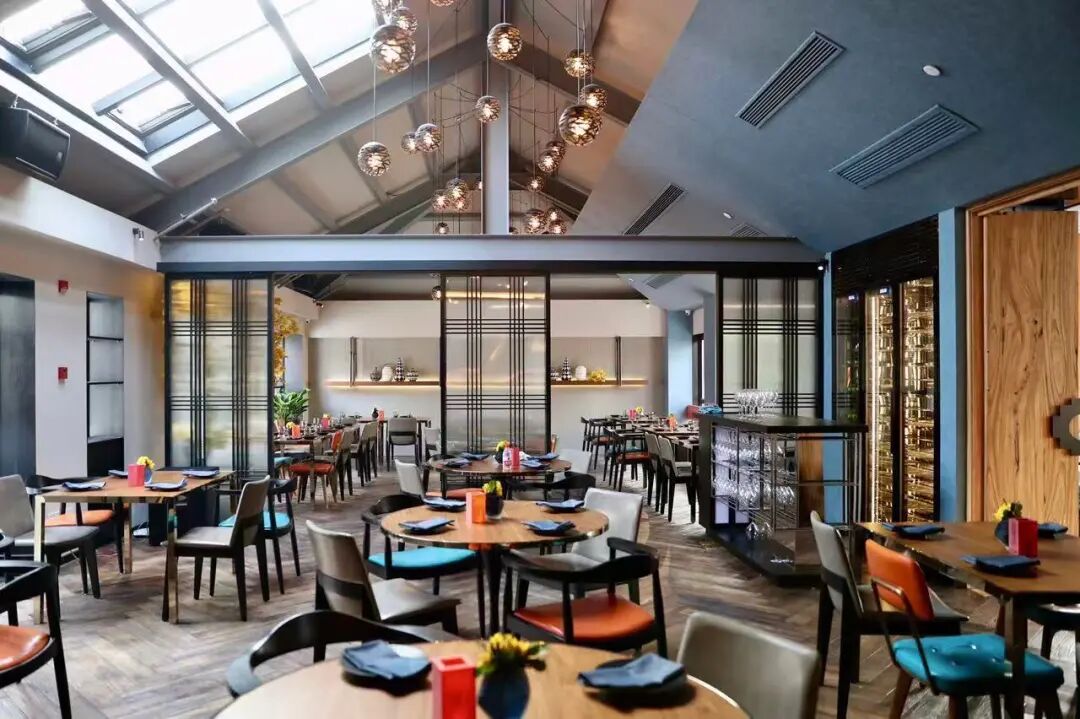
Colca is vibrant, generous, and unapologetically full of life – much like Vargas himself.
Colca, his modern Peruvian restaurant, feels like the culmination of his journey. It's vibrant, generous and unapologetically full of life – much like Eduardo himself. Colca channels that same welcoming spirit, but with a maturity that comes from decades behind the pass.
Here, Peruvian food isn't treated as exotic but as a natural fit for Shanghai's palate: bright ceviches, smoky anticuchos, glossy lomo saltado and the signature grilled octopus that regulars swear by.
"Colca is the only place in China that truly represents Peruvian food. What we serve here is contemporary Peruvian cuisine, similar to what you'd eat in Lima. Peruvian food has become one of the most recognized culinary styles in the world. Our cuisine is incredibly diverse because Peru itself is a mix of cultures – Asian, Japanese, African and European influences all come together. With our abundance of seafood and layered traditions, there's so much depth to explore," Eduardo said.
The name "Bacaro" in Ragu il Bacaro, located along Suzhou Creek, references the riverbank bars found in Venice, which aligns well with the atmosphere of Suzhou Creek.
Colca is tucked inside Yongping Lane on Hengshan Road. Warm, social and neighborhood-friendly, the restaurant is filled with families on weekends and longtime customers who greet the staff by name.
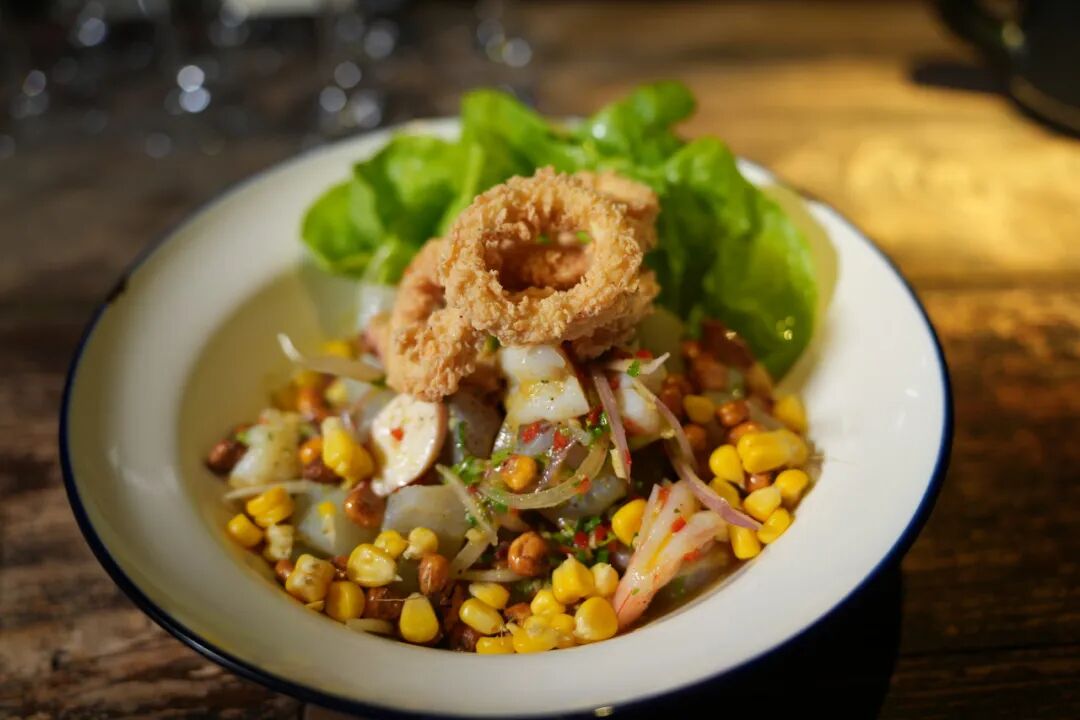
"We have a strong base of regulars, so we're constantly upgrading the menu. For instance, we used to offer just three types of ceviche; now there are eight. In Peru, ceviche is like dumplings in China – it's essential, deeply rooted and endlessly open to variation," Eduardo said.
Ceviche exists in countless forms. Every chef and every household in Peru has its own interpretation – using different seafood, levels of spices and added elements. "The traditional version is the foundation," he said. "From here, we build on it, play with it, and celebrate its diversity."
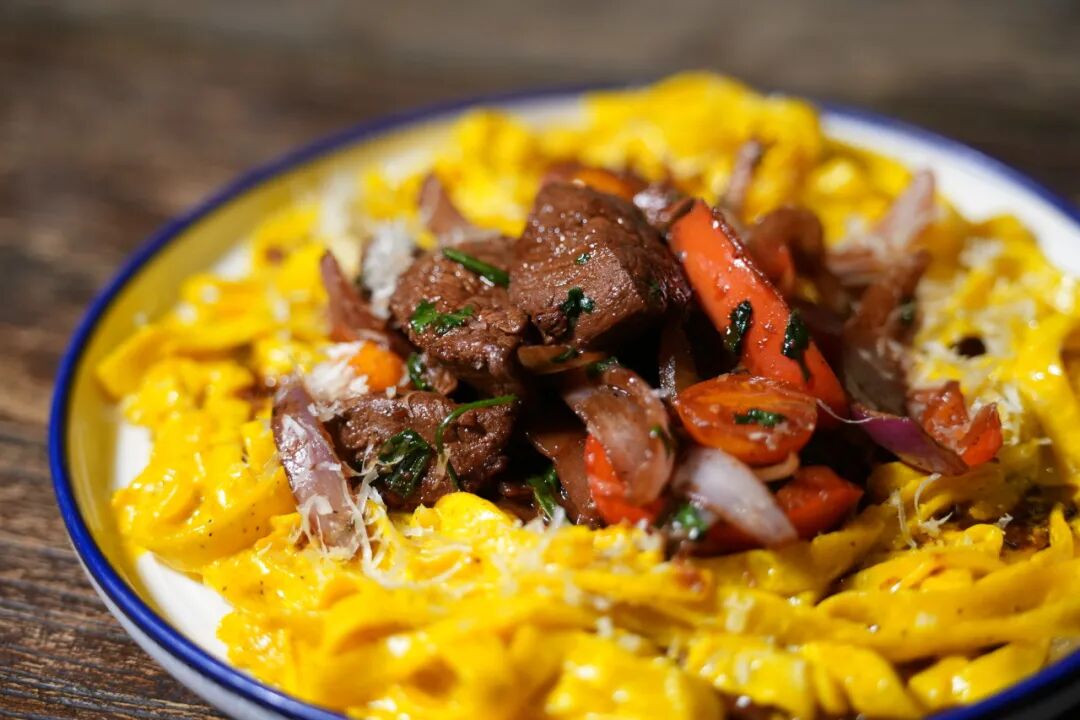
Huancaina pasta with beef saltado
Another iconic comfort dish is lomo saltado – a perfect snapshot of the country's multicultural roots. It's a stir-fry that brings together tender strips of beef, red onions, tomatoes and chili peppers, all quickly cooked over high heat with soy sauce. The technique clearly nods to Chinese stir-frying, a legacy of Cantonese immigrants who arrived in Peru in the 19th century.
"What makes lomo saltado distinctive is its balance of contrasts: savory and tangy, juicy and smoky. I can serve it with Peruvian-style pasta, which is infused with Peruvian yellow chili. The dish brings together European flavors through the pasta and Chinese influence through the wok technique, reflecting Peru's layered culinary heritage."
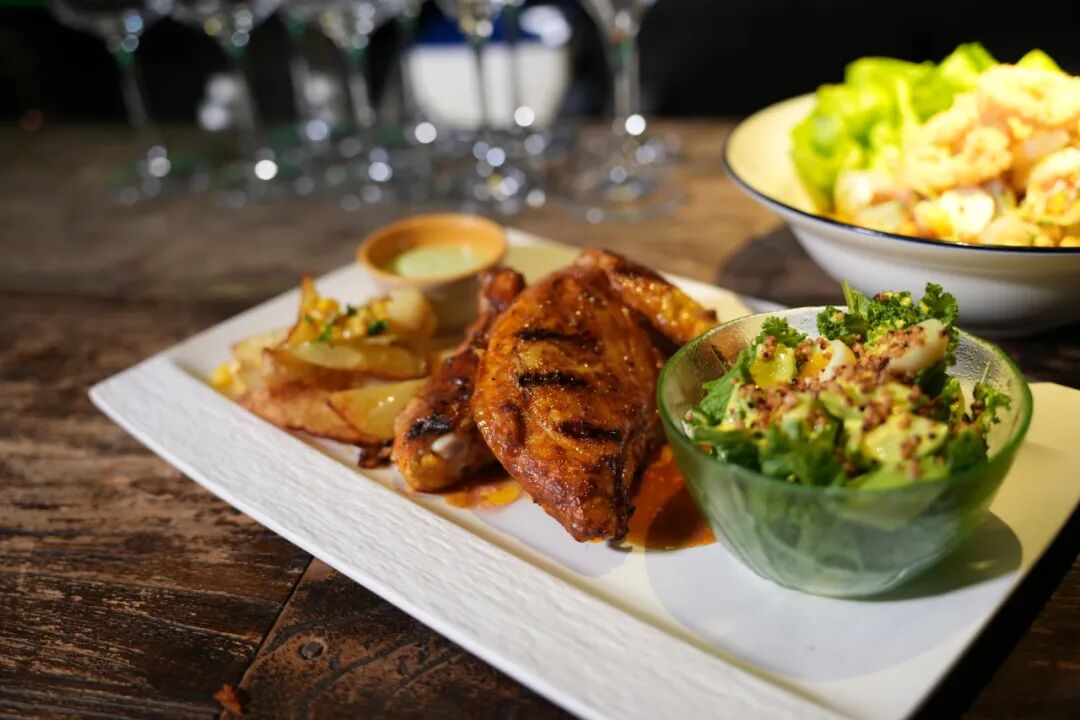
Chicken Brasa Style, Colca ceviche, huancaina
Anticuchos, one of Peru's most beloved street foods, are also top picks here. "We use tenderloin or chicken, marinated with red chili paste, cumin and spices, then grill it over open flames," he explained. Popularized during the colonial era by Afro-Peruvian communities, anticuchos have since evolved into a national staple.
"Today, the market has reached saturation. To stay competitive, we have to constantly change and evolve – otherwise, we lose business. There are simply too many options now. Shanghai has an incredible number of concepts offering exceptionally high levels of service and food, often surpassing what you find in many other countries.
"I used to have a customer base that was about 50 percent expat, but the pandemic definitely changed that landscape. One of the greatest challenges today is maintaining consistency and execution. Social media has also become crucial – if you have amazing Dianping platform content, your business will likely do well, and if you don't, it shows immediately. You have to be extremely attentive to reviews and feedback, especially from Chinese diners."
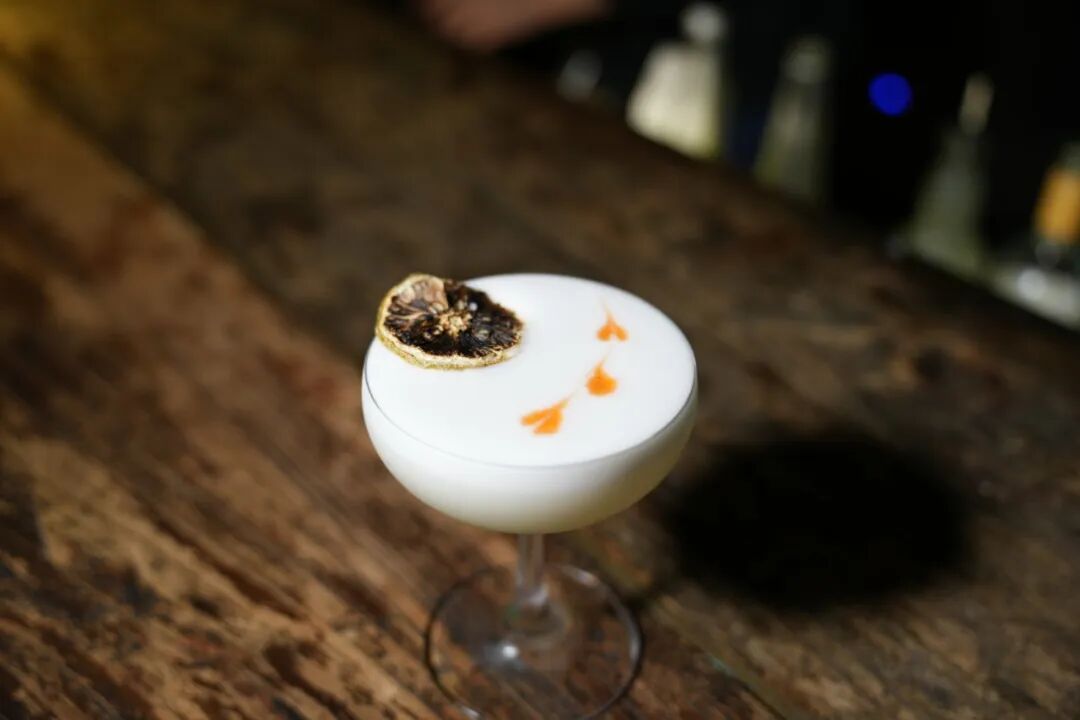
A pisco sour is Peru's most iconic cocktail – bright, balanced and deceptively simple.
What never changes, however, is the energy Eduardo brings to the dining room. He's the type of operator who still walks the floor, still sends out dishes "just for you to try," and still believes restaurants are built on people before plates. In a city where F&B trends shift overnight, his longevity comes from this rare combination of consistency and evolution.
Ask him why he's stayed in Shanghai all these years, and he'll gesture to the room around him – the mix of regulars, the open kitchen humming, and the sound of friends sharing pisco sours. "This city gives you energy," he said. "You have to give it back."
Colca is that tribute: a restaurant rooted in authenticity but shaped by Shanghai's restless creativity. It's Eduardo offering Shanghai what he always has – a place to eat well, linger long and feel a little more connected by the time you leave.
If you go
Opening hours: 11:30am-2:30pm; 5pm-midnight
Average price: 283 yuan (US$40.19)
Tel: 021-5401-5366
Address: 2/F, 199 Hengshan Rd
Source: City News Service
Events
More+-
Source: Beijing Youth Daily; official WeChat account of the Beijing Marathon
-

Russian Soprano Aisulu Salmanova Chinese and Foreign Classics Concert
-
2026 Beijing Book Fair to Open on September 17!
-
Osmanthus market to open next Wednesday
-

Jiangnan Silk and Bamboo, Chinese Charm National Music Concert — Jiangyin Station
Discover









 京公网安备11010802044359
Contact Us:86-10-58882453 86-10-58882413