
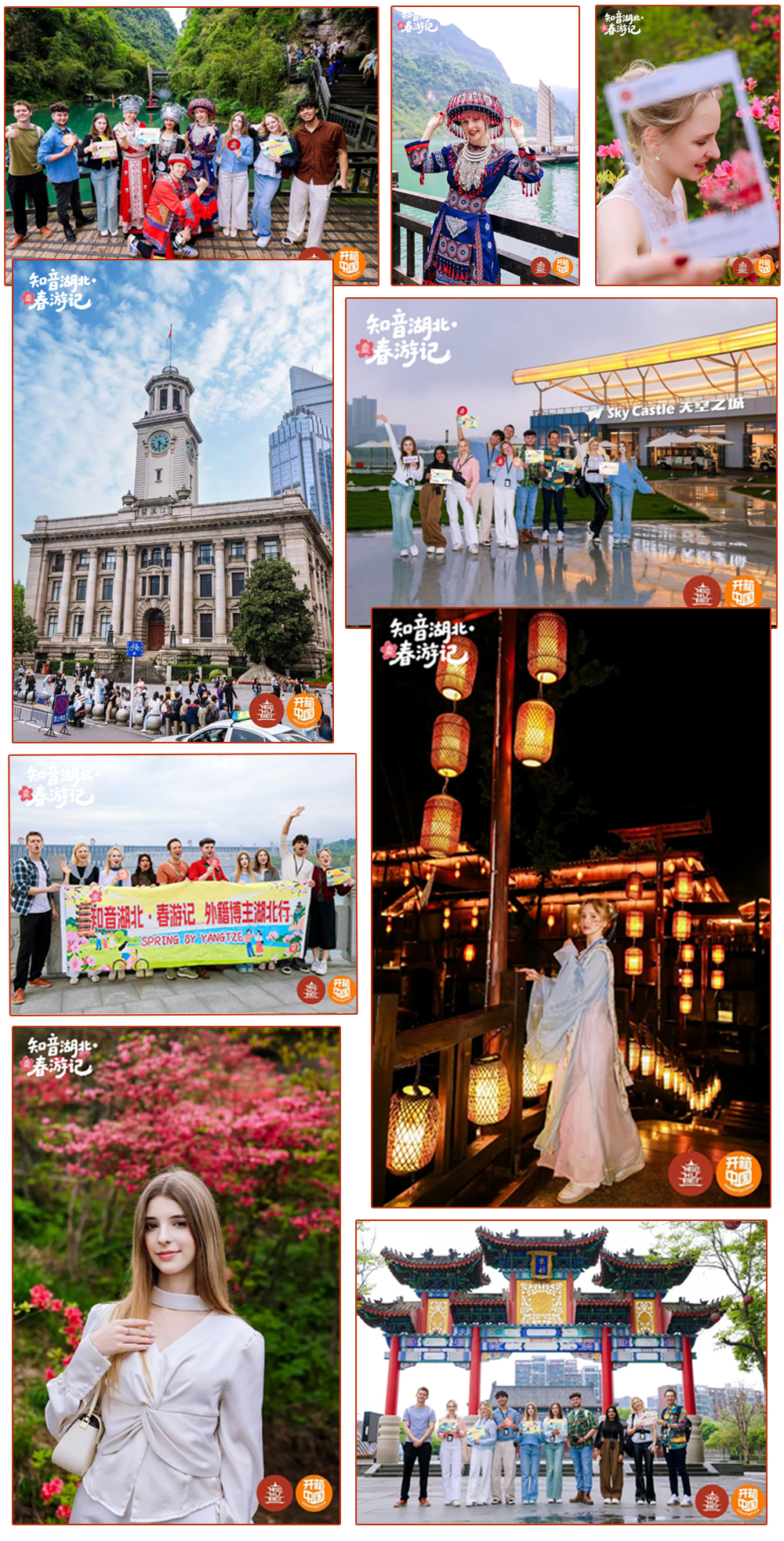
Since the beginning of 2026, a wave of enthusiasm for "becoming Chinese" --and even "extreme Sinicization" --has swept through overseas social media.
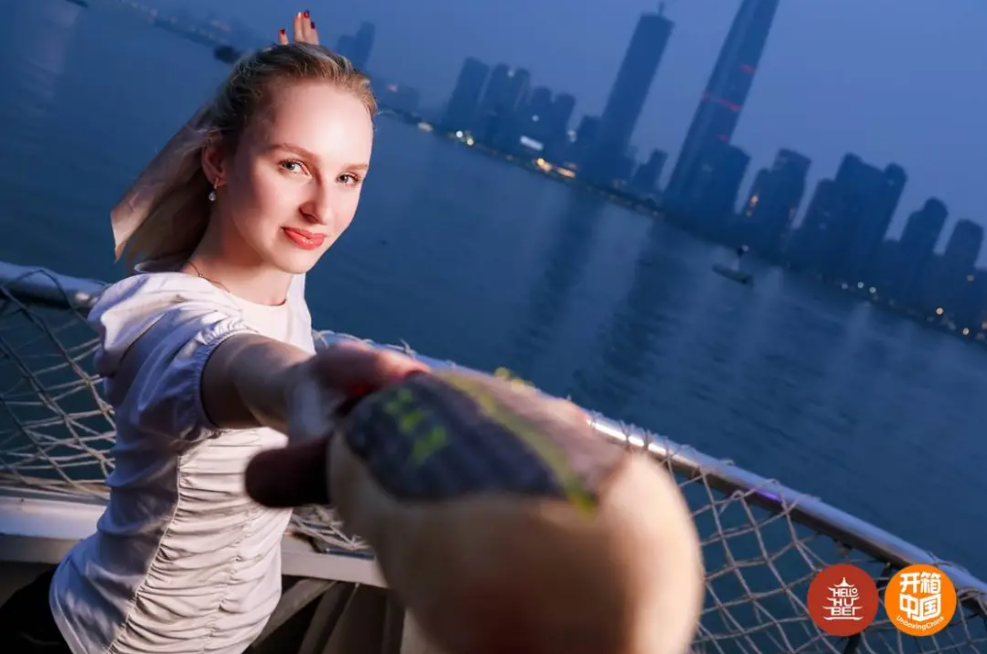
“In Hubei, it is not enough to simply admire the scenic landscape; one must also experience the culture created by its people,” remarked Melina, an international blogger, upon concluding her 7-day journey through the province. In April 2026, the “Spring Tour to Consummate Hubei” event invited ten international bloggers from various countries to visit destinations such as Wuhan, Yichang, Shiyan, and Huanggang, offering them the opportunity to immerse themselves in the enchanting spring atmosphere of the historic Jingchu region.
01 Encountering the Most Beautiful April Days
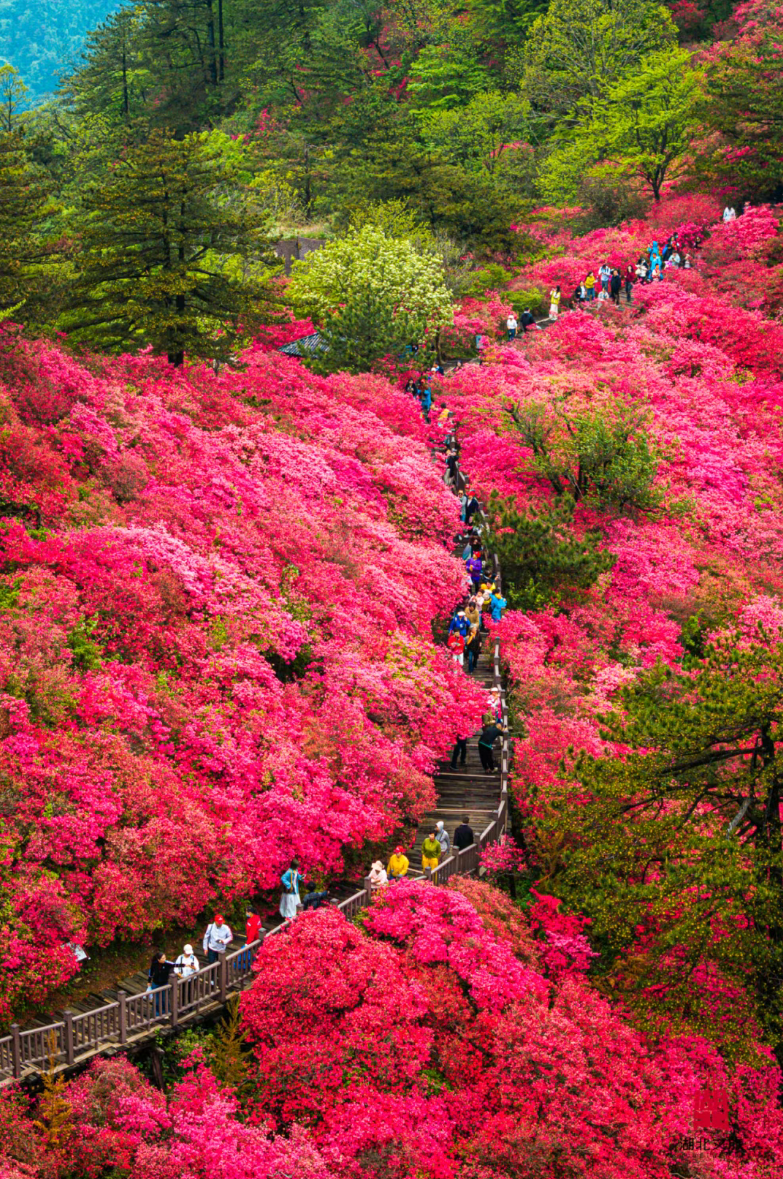
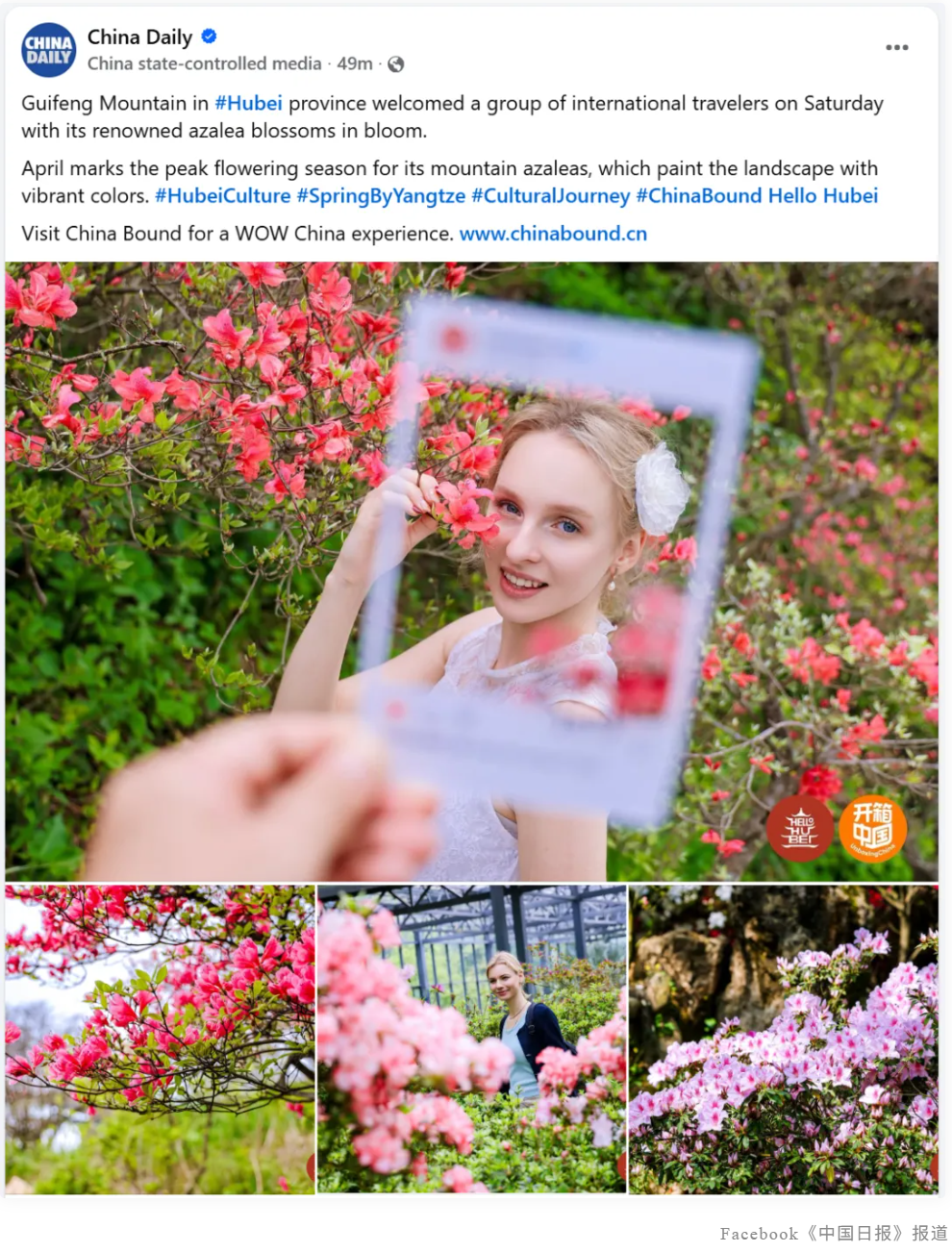
From the 100,000 acres of azaleas on Guifeng Mountain to the misty Three Gorges, the international bloggers captured the treasures bestowed by nature upon Hubei in their picture frames.
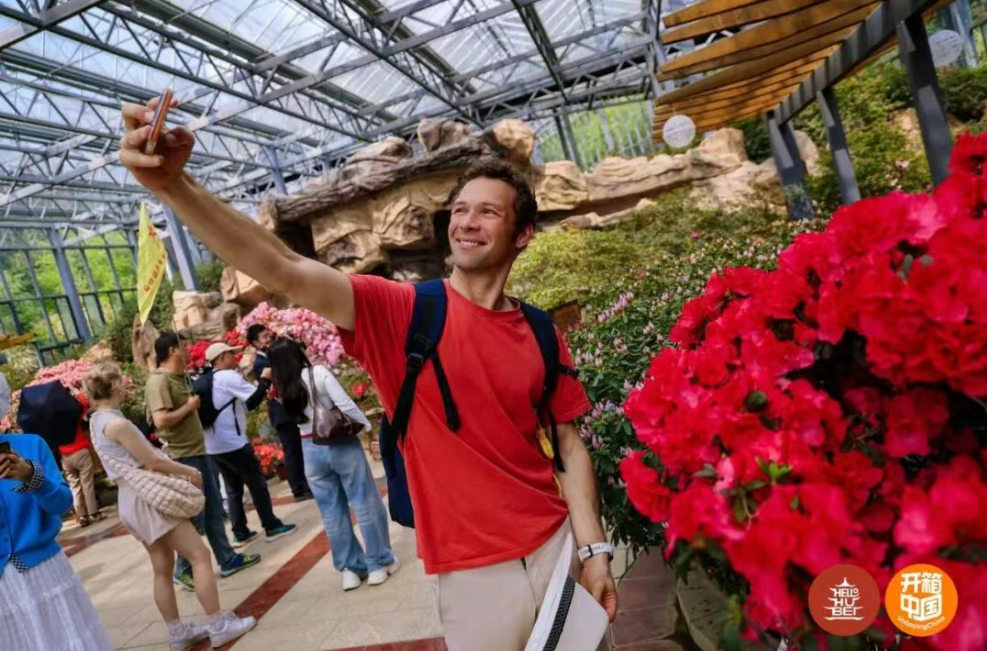
On Guifeng Mountain in Macheng City, the bloggers stopped to take photos of the sea of azaleas in full bloom, the pink flowers stunningly beautiful among the verdant mountains. "My mother loves flowers, so I’d like to bring her here for a visit," said blogger Yegor.
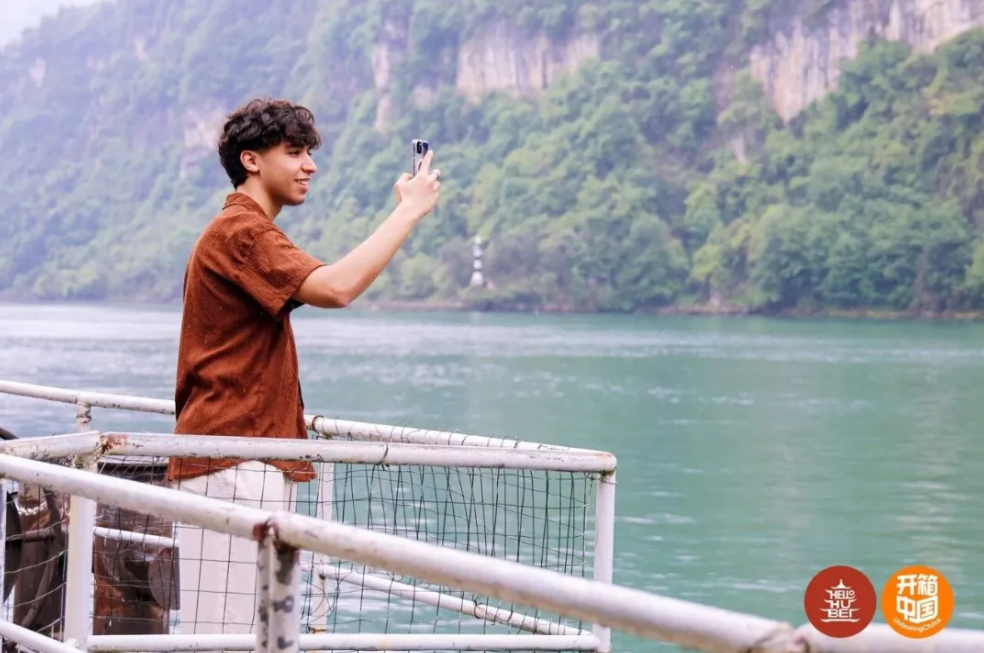
"The Three Gorges is one of the most beautiful landscapes I have ever seen in my life," marveled blogger Bi Anyi (Ayuob). In Yichang, everyone traveled along the G348 highway, accompanied by an emerald river and lush mountains, to the Three Gorges Tribe scenic area, watching light boats glide past countless mountains. This beautiful scenery is not only a gift of nature but also the result of the dedicated preservation by generations of Chinese people. Blogger Sofiya said: "It‘s very well preserved here. The water color is just like the sky, very blue and very beautiful."
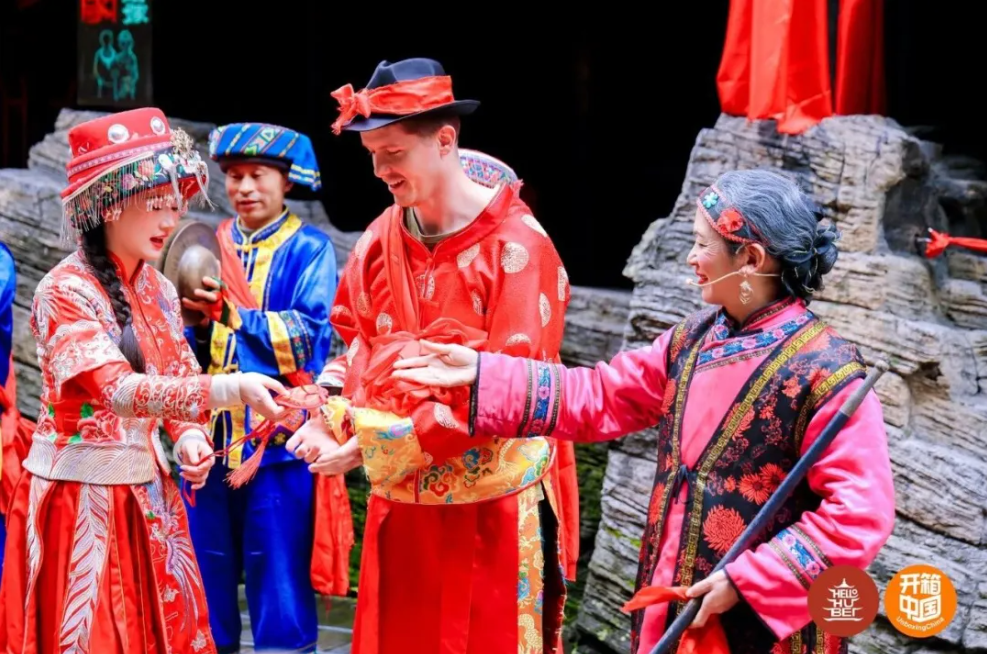
What remain vibrant after thousands of years are not only the magnificent landscapes but also the accompanying human stories. "We experienced the local Tujia culture," said blogger Angelika, describing how everyone visited the characteristic local stilt houses by the Longjin Creek surrounded by mountains, watched a traditional Tujia wedding performance, and experienced traditional customs such as "throwing embroidered balls" and "wedding wailing.” "The best part is that we didn’t just watch the local folk performances, but we could also interacted with them."
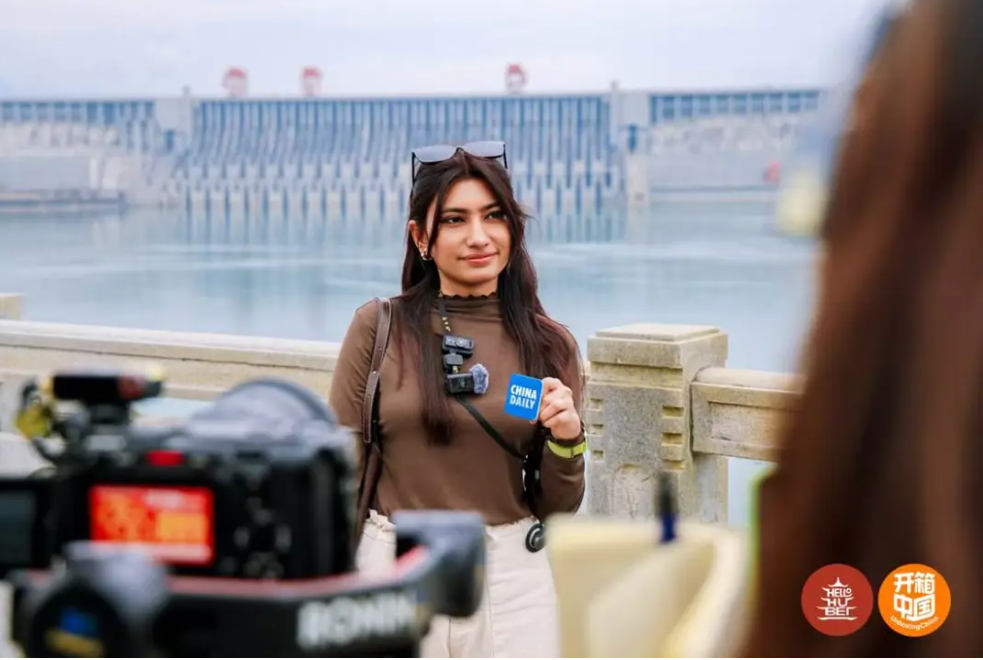
At the Three Gorges Dam in Yichang, watching ships take the "ship lift", the bloggers understood what it means “a level lake appears in the high valley.” Hana from Pakistan was deeply moved by the landscape here: the mountains are above the clouds, the river is green, like stepping into a parallel world.
02 Experiencing the Unique Charm of Jingchu Culture
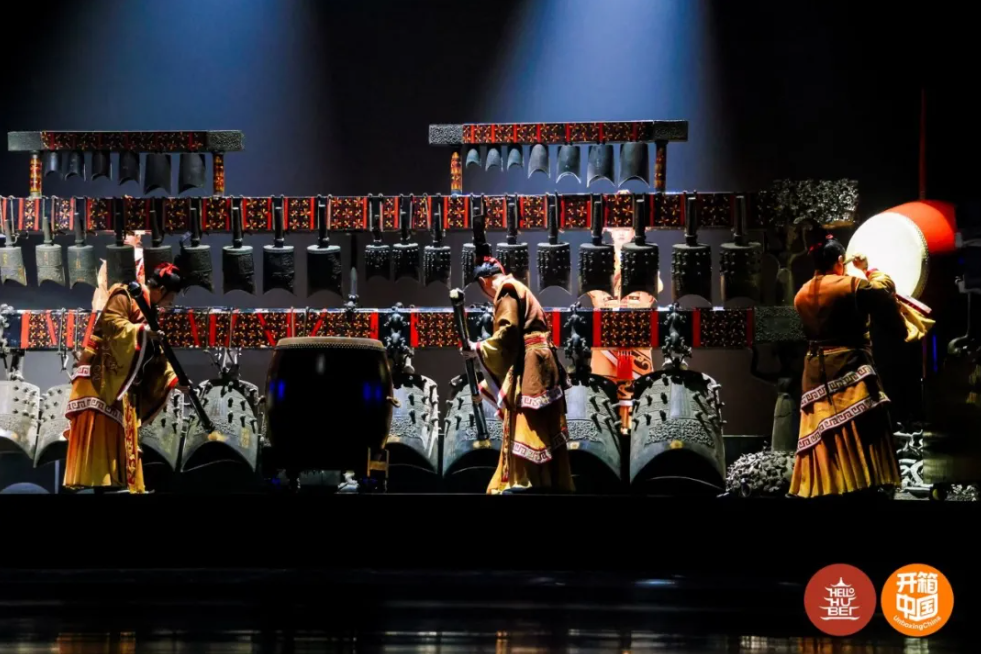
On April 17, the first anniversary of the Bells of Marquis Yi of Zeng’s inclusion in the UNESCO “Memory of the World International Register,” an ancient performance of the chime bells at the Hubei Museum brought the ancient melodies of the Chu Kingdom out of the display cases.
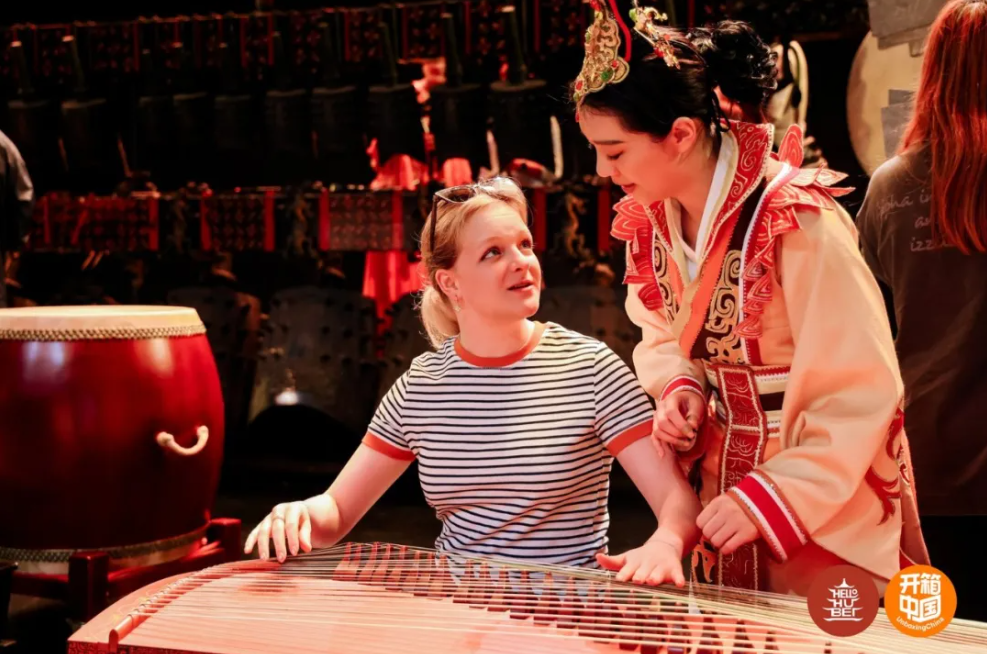
"Mom, this is traditional Chinese music! We don‘t have this kind of instrument where we live, it's really wonderful." After watching the performance, Sofiya, who comes from an artistic family, excitedly shared a video with her mother. Under the guidance of Shi Jiangshan, a performer with the Museum’s Chime Bell Ensemble, she even tried playing the Chinese folk song "Jasmine Flower" on an ancient se (zither). As the echoes of the chime bell music and dance slowly faded, the ritual music civilization spanning millennia crossed borders and touched hearts at that moment.
"Hubei has a unique culture and I hope people will come here to experience it," said blogger Anastasiia, who has lived in Wuhan for five years. She noted that she often brings family and friends to Wuhan and has visited the Hubei Museum no fewer than ten times. "Today I met a new friend - the plush version of the Sword of Goujian, King of Yue." She noted that with the continuous rise of cultural tourism in Hubei, cultural and creative products modeled after cultural relics have attracted many friends from other places. She also mentioned the most viral phrase “Suan Niao” – meaning “forget it” in the Wuhan dialect. Anastasiia explained that when conflicts arise, Hubei people often say, “Forget it, forget it, nobody has it easy.” Beneath the soft and cute appearance of the “Suan Niao” lies the Hubei people’s life philosophy of “easygoing and open to negotiation.”
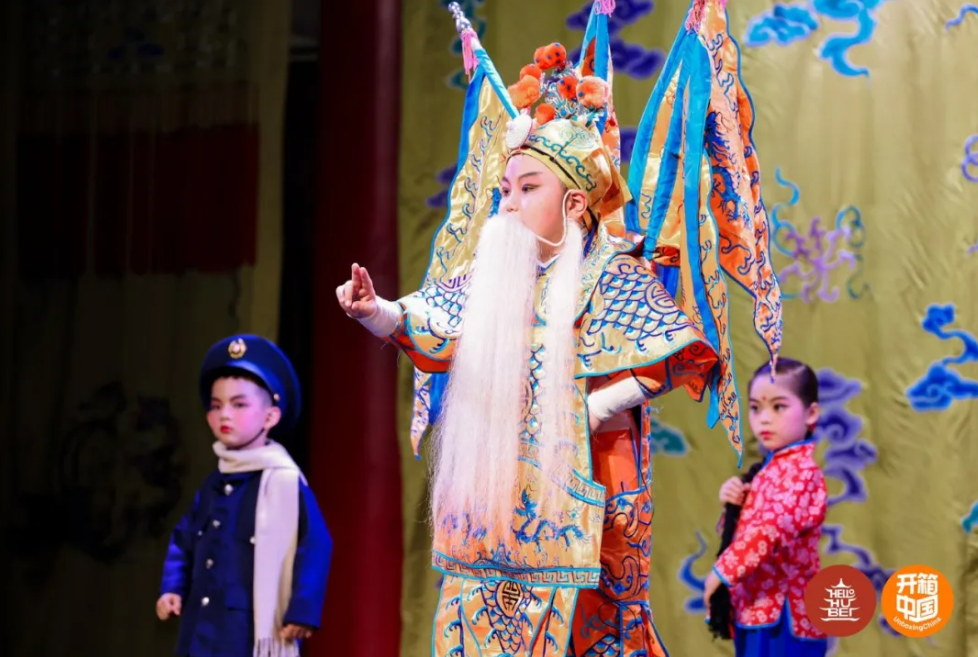
Previously, at Tan Xinpei Park in Jiangxia District, Wuhan, the bloggers experienced Peking Opera up close: painting facial masks, wearing ceremonial robes, and learning the Tan school style of singing. After watching a performance, blogger Stuart said what shocked him most was that Peking Opera has been passed down for hundreds of years and has remained basically unchanged. "Although I couldn't understand a lot of the lines, I was still moved by the music, the singing, and the dancing. Peking Opera tells historical stories; it has many similarities with the plays of Shakespeare in England."
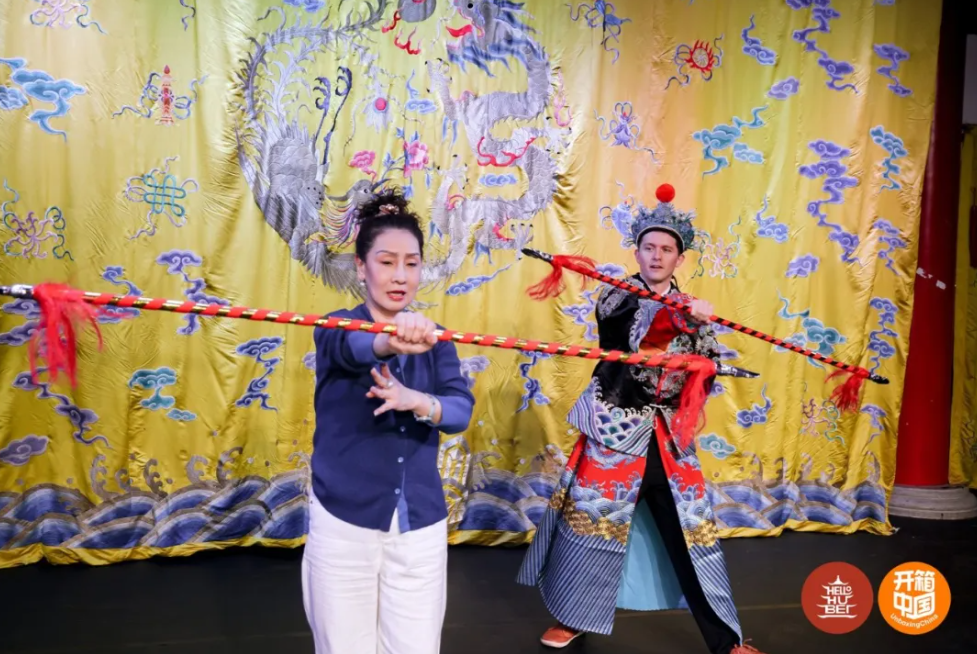
"I didn't expect the children to perform so brilliantly! Chinese culture will definitely be well preserved and passed on!" exclaimed blogger Karyna after watching a Peking Opera performance by children from several kindergartens and primary schools in Jiangxia District. She then grabbed a prop red-tasseled spear and rushed onto the stage to pose for pictures. Gan Longzhu, an actor from the Wuhan Peking Opera Theatre, saw this, stepped forward enthusiastically, and showed her how to wield the tasseled spear.
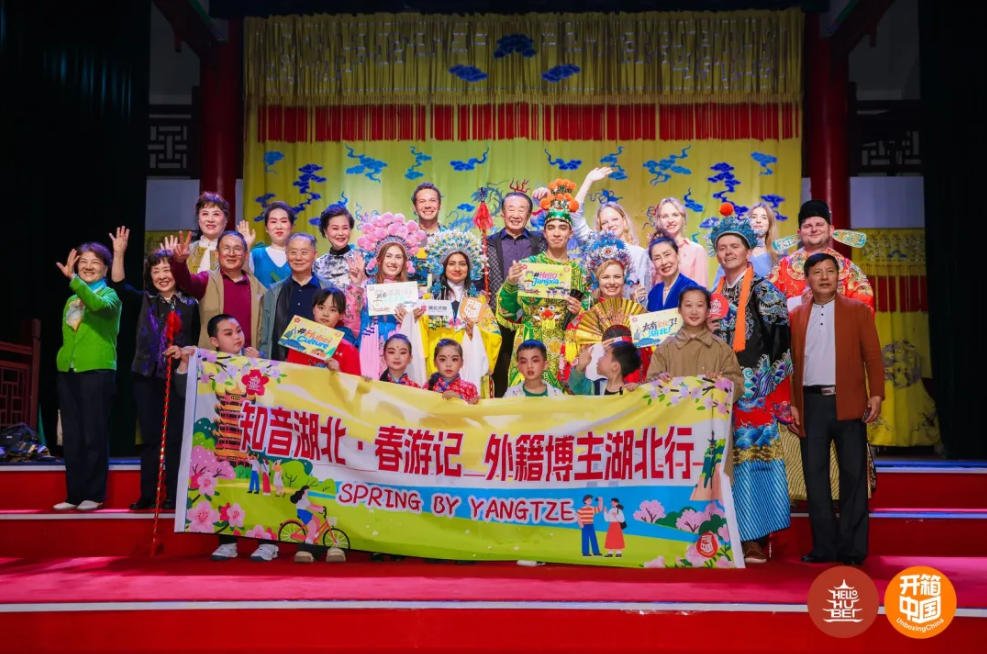
Yegor stopped Fang Xiangsheng, head of the Jiangxia District Peking Opera Company, to film a live stream, asking in detail about Wuhan's connection to Peking Opera and why so many children in Jiangxia can sing it. Fang Xiangsheng told him that the Peking Opera master Tan Xinpei was from Jiangxia, and that children there have been influenced and educated by opera from a young age. Yegor nodded repeatedly at his phone screen and gave a thumbs-up.
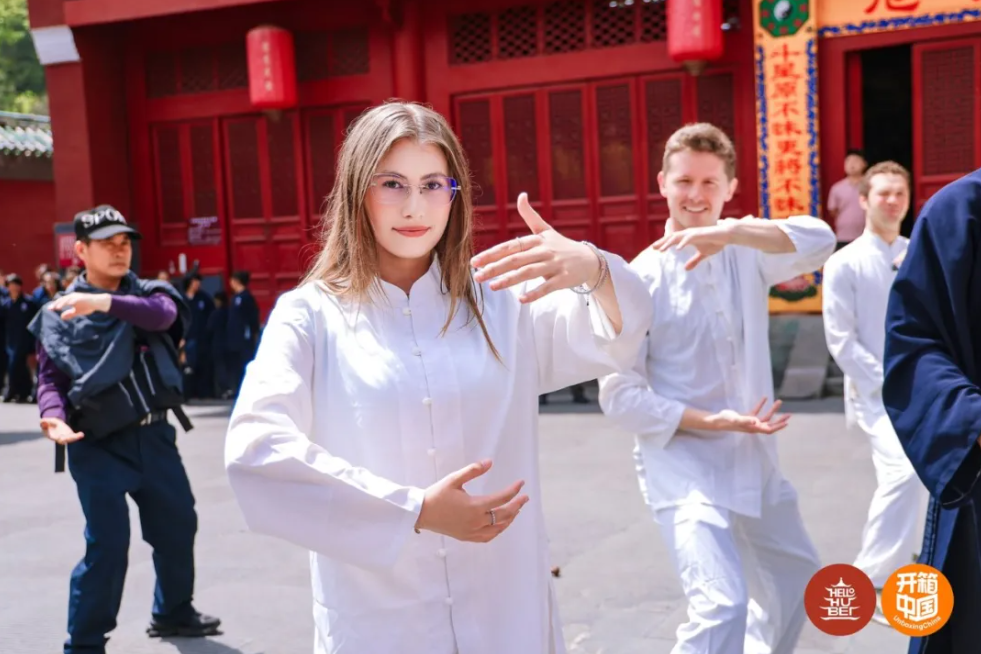
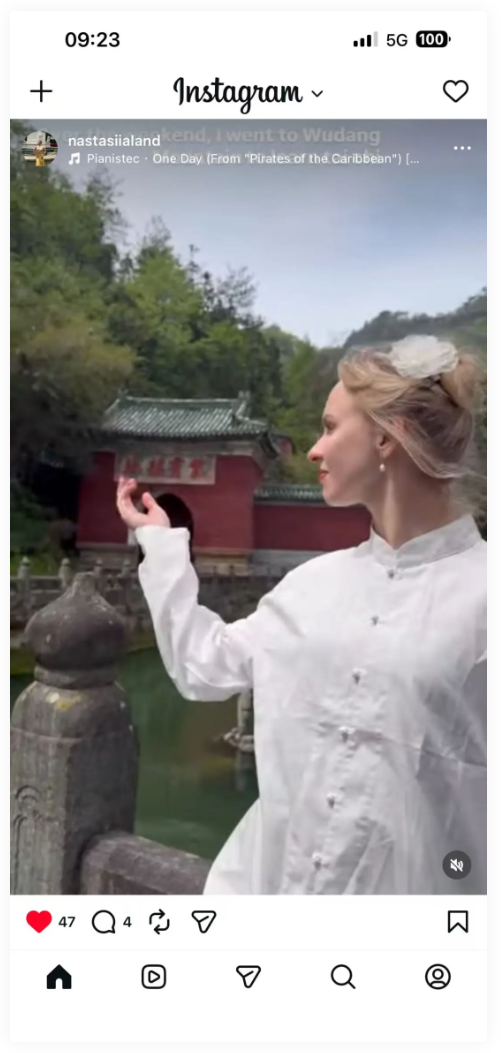
"Qinggong (lightness skill)," "Neili (internal strength)," "Jianghu (martial world)"... Martial arts novels and films are the first impressions many international bloggers have of China. At the Wudang Mountains, they stood in a horse stance and slowly pushed out their hands, experiencing the Chinese wisdom of "balance of yin and yang" and "overcoming hardness with softness." As the morning mist over Wudang Mountains gradually dissipated, the martial arts dreams from the screen settled into their bodies with every breath.
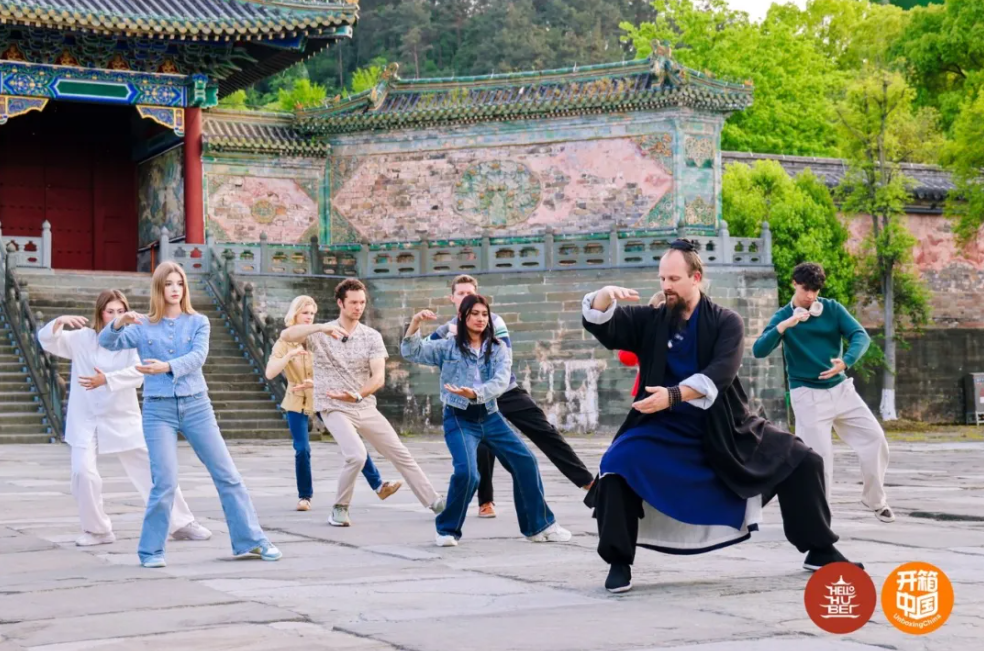
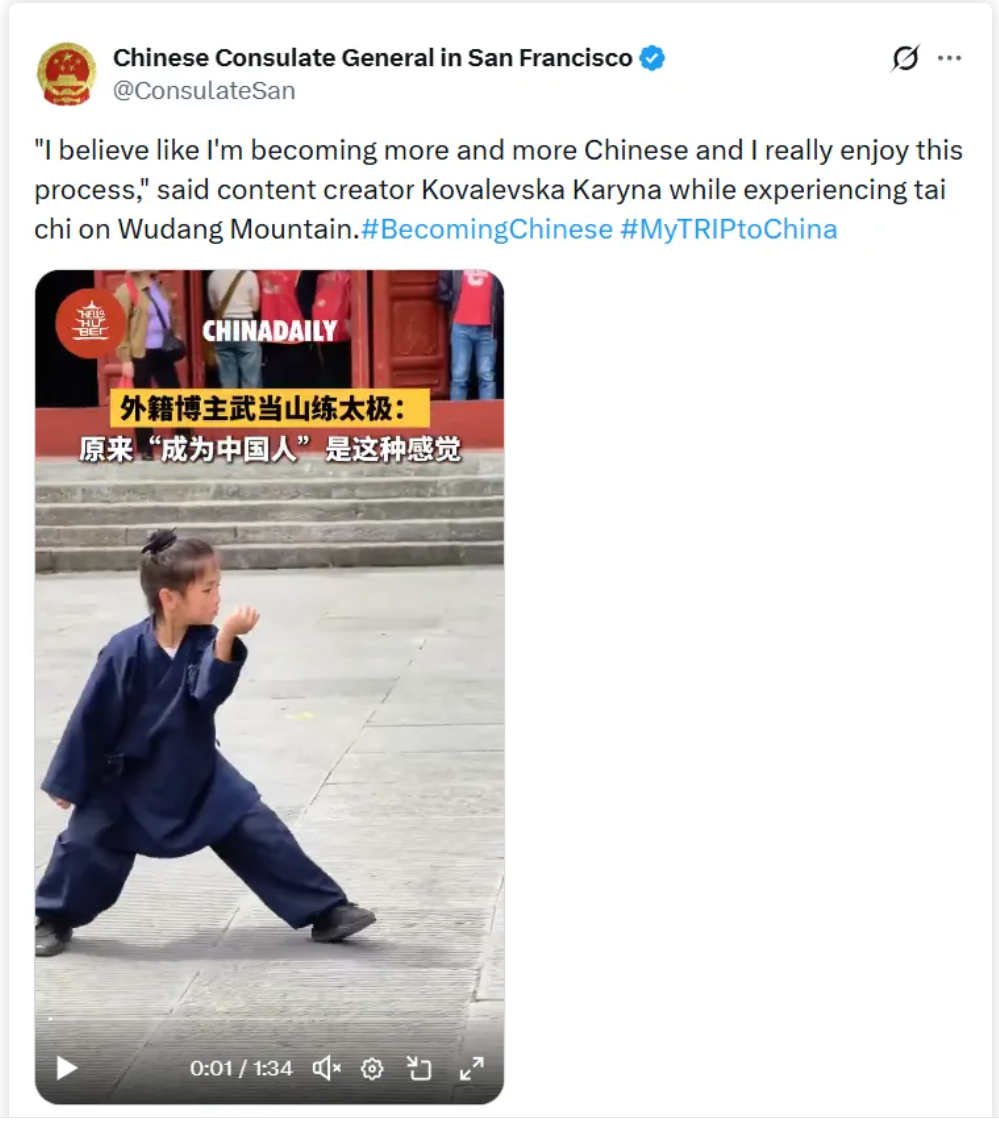
Karyna had heard of Tai Chi when learning Chinese at the Confucius Institute. Standing on the Wudang Mountains, she said: "I feel that I am becoming more and more like a Chinese person, and I really enjoy this process." She said that Tai Chi teaches us to relax our bodies and minds, to slow down our movements, and that it embodies the wisdom of the Chinese people.
03 Making Hubei’s Culture a Global Sensation
Changing into Peking Opera costumes to learn "flower spear" techniques on stage, practicing Tai Chi with martial arts inheritors at the Wudang Mountains, experiencing the "ship lift" at the Three Gorges... For the bloggers, "traveling in China" is not just about taking pictures of beautiful scenery, but more about immersing themselves in a piece of history and culture.
Jiangxiali Old Pier, they put on Hanfu clothing, instantly "traveling back" in time to the bustling prosperity of a commercial port over a hundred years ago.
On the banks of the Yangtze River, they transformed into Tujia folks, learning to sing folk songs and shouting the resonant boat trackers’ chants.
Meanwhile, souvenirs such as the Chime Bell of Marquis Yi of Zeng fridge magnet, the Chu embroidery bookmark, and the Wudang Mountains sachet became "hard currency" in the bloggers' suitcases. Hubei's history and craftsmanship were packed into bags and carried to the world.
Over seven days, the international bloggers traveled more than 700 kilometers, using their cameras to capture Hubei‘s enchanting landscapes, technological developments, and bustling daily life.
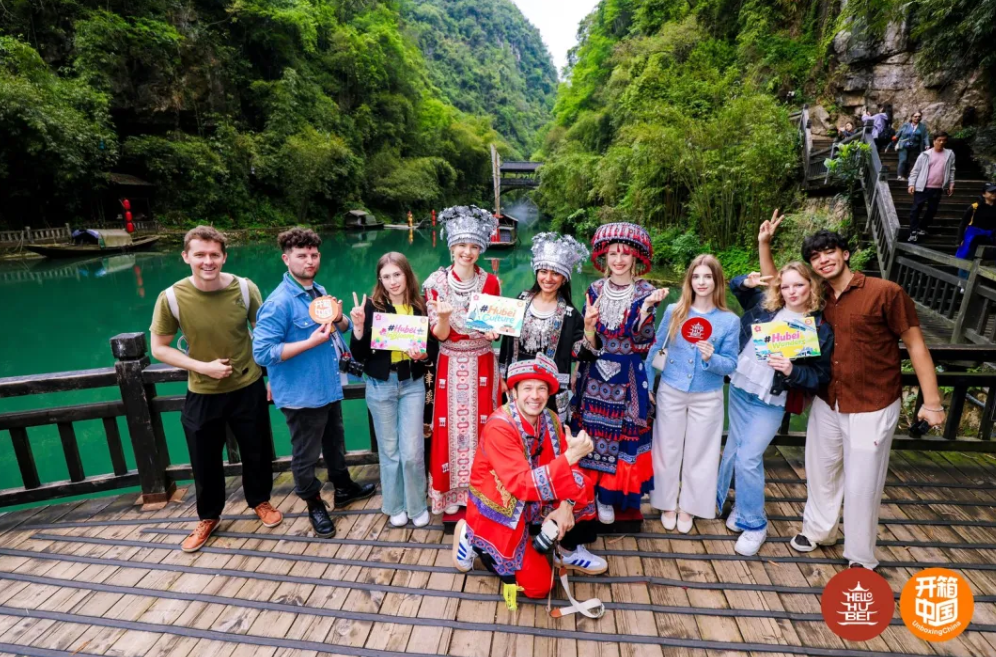
In 2026, China's inbound tourism continues to heat up, with 8.315 million visa-free entries by foreigners in the first quarter, a year-on-year increase of 29.3 percent. More and more international friends are entering China, entering Hubei, personally experiencing the vibrant atmosphere of Chinese-style life, and appreciating the profound heritage of Jingchu culture.
As Angelica said, Hubei in the spring is so beautiful. She hopes everyone can come here to see it in its full bloom.
Source: Hubei Provincial Department of Culture and Tourism
The English version is for reference only. If there are differences between the English version and the Chinese version, the Chinese version shall prevail.










 京公网安备11010802044359
Contact Us:86-10-58882453 86-10-58882413