

Shared power banks offer great convenience for people on the go. But some entities and individuals exploit these devices to steal user data and invade privacy through methods such as modifying hardware, tricking users into granting authorization, implanting malware, and illegally obtaining and mining backend operational data. So, how to identify spyware traps in shared power banks? Let's find out!
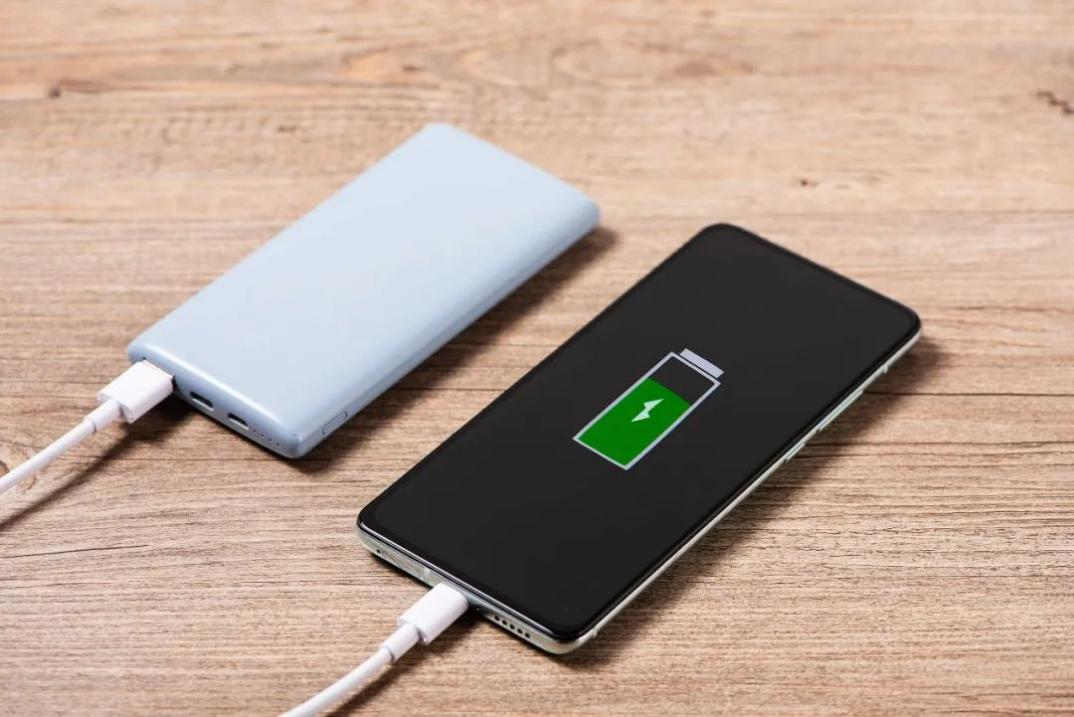
Source examination: Choose shared power banks deployed by reputable, mainstream brands at official points, and avoid those with unknown origins, signs of tampering, or unusual interfaces.
Actions after connection: Never casually grant access permissions from your smart device to a power bank or any other device not designated for data transfer, and firmly reject all requests for additional unnecessary permissions. After using a shared power bank, if you notice unusual phone heating, rapid battery drain, sluggish performance, or unexpected pop-up ads, stop using the device immediately, run a trusted security app to scan for and remove any malware, and restore your phone to factory settings or seek professional assistance when necessary.
Heightened vigilance: Establish clear boundaries in daily work and life. Never store classified information on networked smart devices; never take such devices into classified areas; and never connect classified terminals to shared power banks or other networked devices. These precautions can eliminate data leakage risks at the source.
Source: Beijing Daily

Events
More+-

Source: Beijing Youth Daily; official WeChat account of the Beijing Marathon
-

Russian Soprano Aisulu Salmanova Chinese and Foreign Classics Concert
-

2026 Beijing Book Fair to Open on September 17!
-
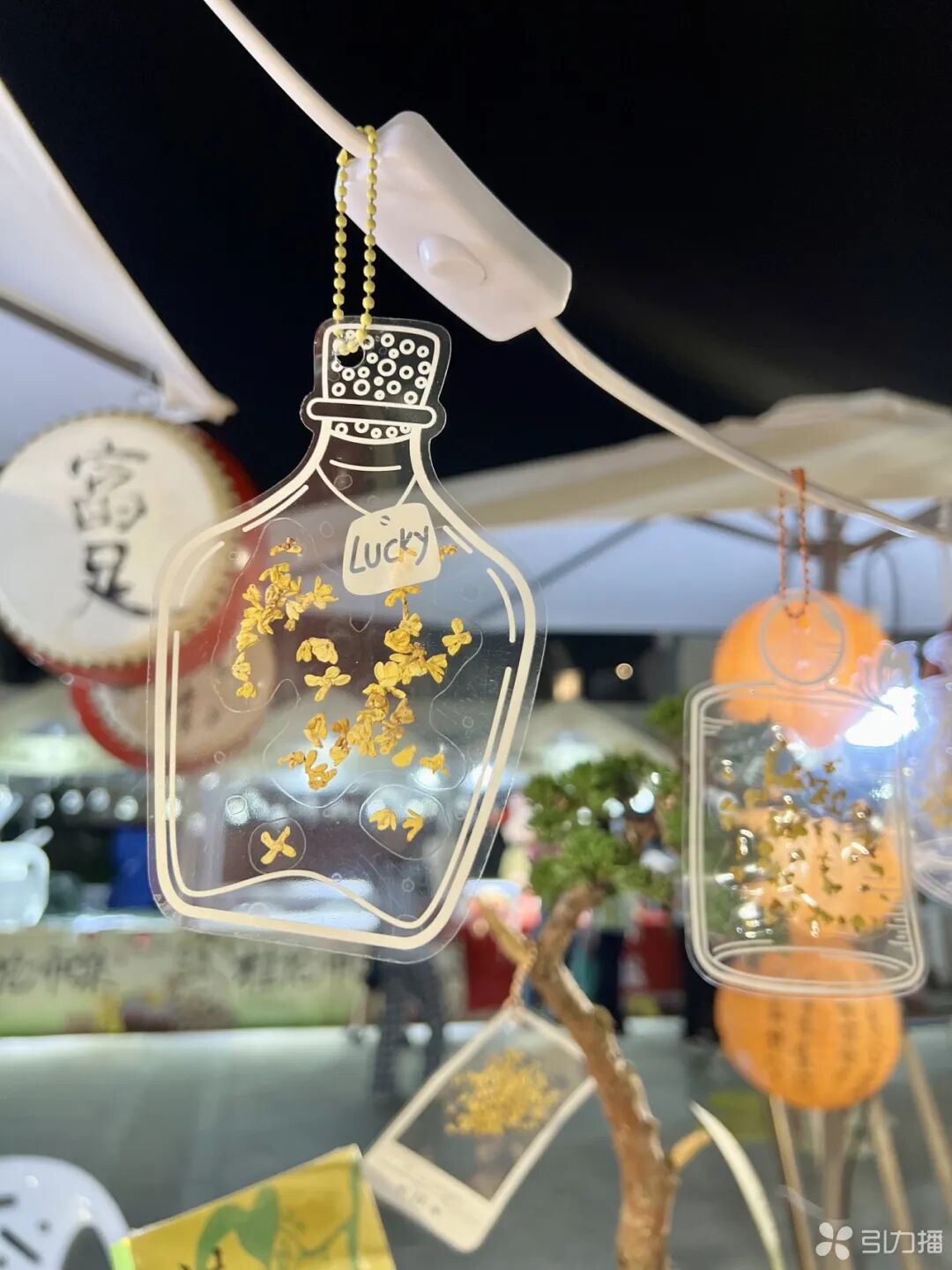
Osmanthus market to open next Wednesday
-

Jiangnan Silk and Bamboo, Chinese Charm National Music Concert — Jiangyin Station
Discover










 京公网安备11010802044359
Contact Us:86-10-58882453 86-10-58882413