
By Rachel Wu
For cancer patients receiving treatment or palliative care at home, changes in their condition can be difficult to judge. A worsening symptom may mean another hospital visit, a call to the doctor, or simply waiting until the next appointment.
For families helping with daily care, those decisions can be equally challenging.
Across China, researchers are exploring how digital services can make medical advice and professional follow-up more accessible between hospital visits.
A Weekly Check-In That Makes a Difference
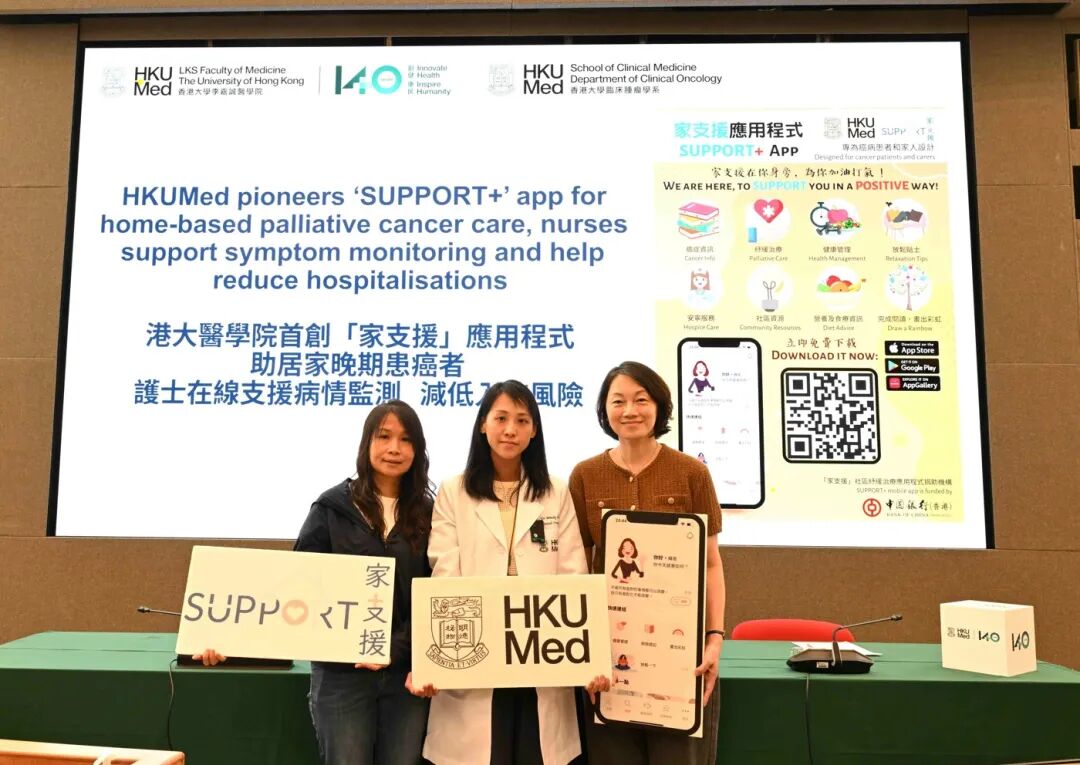
Image via HKU website
The latest findings come from Hong Kong, where HKU Medicine presented new research on October 7 into SUPPORT+, a mobile app for advanced-cancer patients receiving palliative care at home.
Patients or caregivers submit weekly symptom assessments. Serious responses trigger alerts to specialist nurses, who follow up within one or two working days.
A randomized study involving 1,214 patients across six public hospitals found that those receiving app-supported care maintained better quality of life and confidence in managing their conditions.
They also spent fewer days in hospital during follow-up, averaging 3.4 days compared with 7.3 days among those receiving usual care.
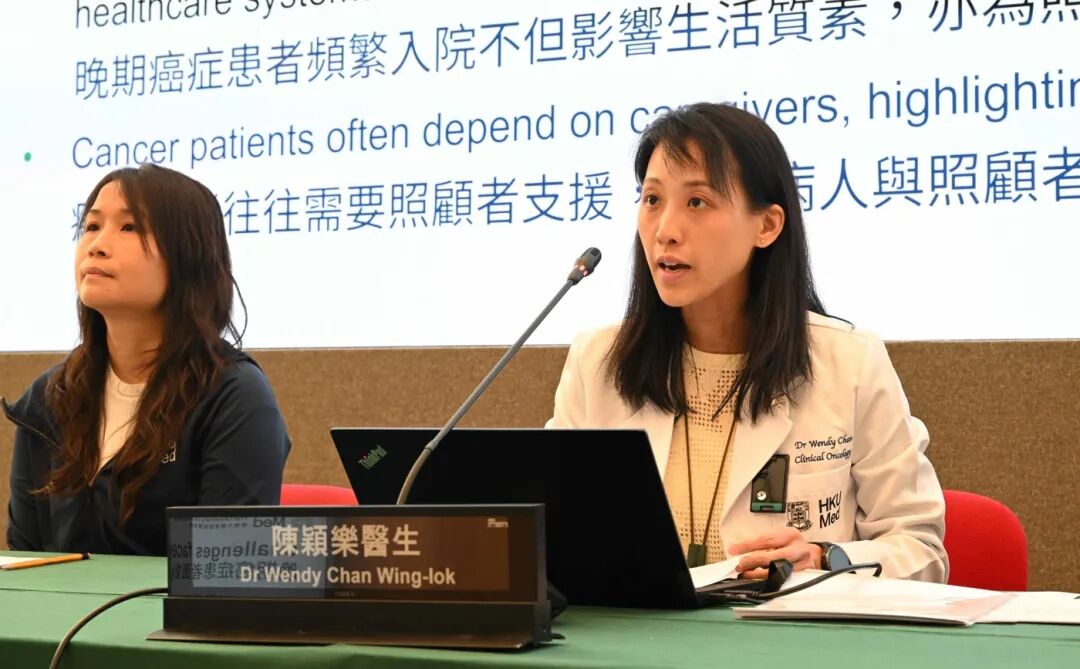
Image via HKU website
Similar Ideas Across China
Researchers in Chinese mainland are testing comparable services through mobile applications and WeChat-based platforms.
In Beijing, a study led by Peking University Cancer Hospital found fewer emergency visits among 278 immunotherapy patients monitored digitally across 28 hospitals.
In Shanghai, researchers tested a WeChat-based educational service with 154 cancer patient-caregiver pairs and reported improvements in patients' quality of life.
And in Guangzhou, Sun Yat-sen Memorial Hospital developed a nurse-led symptom-management service for head and neck cancer patients. A trial published in July 2026 found improvements in specific symptoms and patients' confidence in managing their conditions.
From Hospital Visits to Connected Care
For patients and families, the immediate benefits are practical: reporting symptoms from home, receiving timely guidance, and identifying problems that need medical attention.
For hospitals, regular monitoring could help prioritize follow-up and reduce avoidable admissions.
The longer-term opportunity lies in connecting these services with community clinics and specialist teams, allowing some aspects of medical care to continue closer to home.
Similar approaches may eventually support patients managing other chronic conditions, although each would require appropriate clinical protocols and evidence.
The technology is taking shape. Making professional care reliably available behind the screen will determine how far it can go.
Source: ThatsGuangzhou
















 京公网安备11010802044359
Contact Us:86-10-58882453 86-10-58882413