
From a museum and a garden to a river, they brought the story of Hubei to the world.
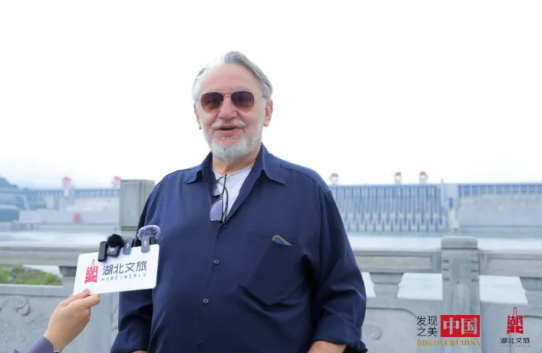
"This is an experience unique on Earth." On September 18, standing in front of the Three Gorges Dam, Sashko Nasev, Ambassador of the Republic of North Macedonia to China, expressed his awe. He noted that in other parts of the world, such as the Danube and the St. Lawrence river, there are similar landscapes, but the Three Gorges Dam is the largest in scale and the most magnificent. "I will definitely recommend tourists from my country come to visit."
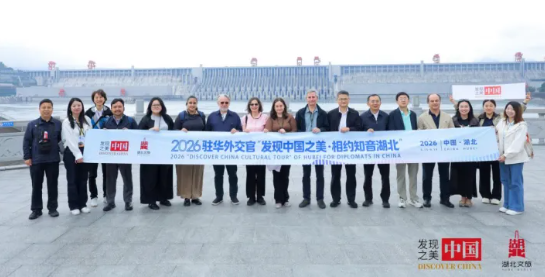
From September 15-19, the 2026 "Discover the Beauty of China · Meet Hubei, Land of Zhiyin" (Zhiyin, a kindred spirit) series of events for diplomats stationed in China—hosted by the Ministry of Culture and Tourism and organized by the Hubei Provincial Department of Culture and Tourism—was launched. Diplomats, heads of cultural centers, and journalists from seven countries—Bulgaria, North Macedonia, Argentina, Mongolia, Indonesia, Cuba, and Serbia—visited Xiangyang and Yichang to experience the unique charm of Jingchu culture and the dynamic urban development. Of the region
Over the course the five days, the diplomats visited museums, toured the Tangcheng and Guongzhong Scenic Areas, explored tea villages, attended the Hubei Culture and Tourism Conference, ascended the Three Gorges Dam, and visited Angel Yeast Co., Ltd. In every landscape, every historical artifact, and every real scene, they gained a fresh perspective on Hubei and a deeper understanding of China.
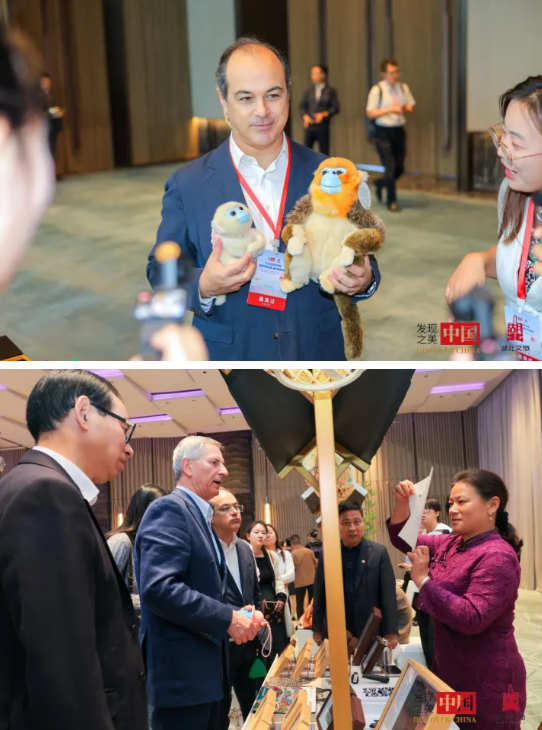
The observations and impressions of the diplomats in Hubei have rapidly generated significant buzz across domestic and international media. Up to now, the "Discover the Beauty of China · Meet Hubei, Land of Zhiyin" event has produced more than 100 articles across all platforms, covering multiple platforms at home and abroad, with cumulative views exceeding 10 million.
Cultural Relics Combined with Live Performances Brings History "Alive"
At the Xiangyang Museum, the diplomats traced the historical evolution of the Han River basin, searching for signs of diversity and unity as well as the continuous development of Chinese civilization. At the Three Gorges Project Museum, the diplomats learned about the development of hydropower projects, explored its intricacies, and experienced the scientific and technological strength behind a major national project, marveling at its sheer scale and impact..
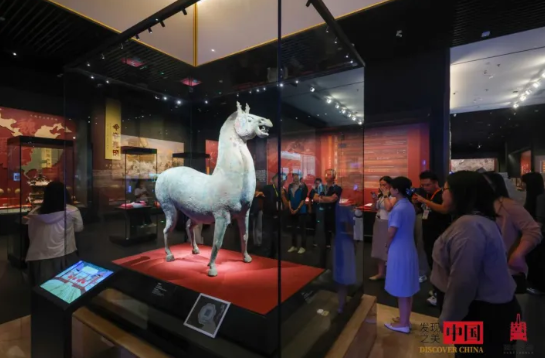
Andrey Tehov, Ambassador of Bulgaria to China, was no stranger to Chinese museums, yet the Xiangyang Museum took him by surprise. He said the exhibits here "far exceeded expectations," and from a historical perspective, Xiangyang may well be one of the most interesting cities he has visited in China to date.
As night fell, the lights of Tangcheng Scenic Area in Xiangyang came on. The bustling Tang-style streets, architectural complexes, panoramic performances, and night-tour experiences transformed history from pages of books into a site that could be walked into, seen, and heard.
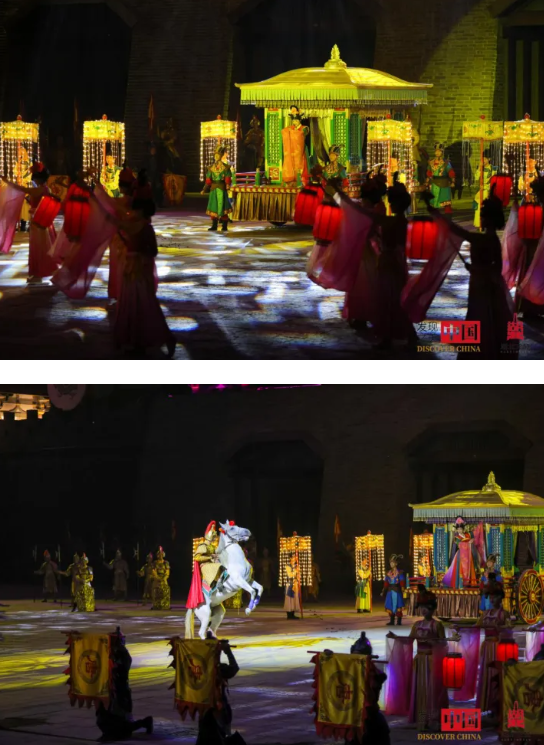
"This is one of the spectacular and delightful performances I have ever seen," said Andrey Tehov. The performance at Tangcheng Scenic Area was not only visually stunning but also gave history and culture a more vivid way to spread. He hoped more Bulgarians would have the opportunity to come here. "After returning home, I will tell them what I saw and heard here."
Kara, Second Secretary of the Cuban Embassy in China, was also moved by this way of "bringing cultural heritage to life." In her view, cultural heritage carries history and tradition and is a precious treasure left to future generations; only by looking back at the past and remembering one's roots can one better move toward the future.
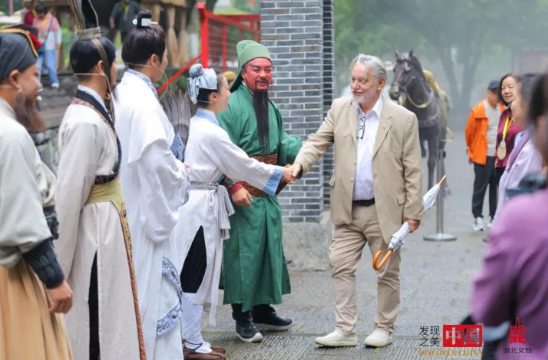
At Gulongzhong Scenic Area, the story of Zhuge Liang encountered another cultural memory. Soldat Tatjana, Director of the Serbian Cultural Center in Beijing, saw a sculpture depicting three generations of Zhuge Liang’s family—grandfather, son, and grandson—and was reminded of the Serbian traditional ritual in which the three generations pass bread among themselves. This shared meaning of "inheritance" allowed a Three Kingdoms story to cross language and national borders and find new bosom friends.
A Single Tea Leaf: Understanding China's Answer to Rural Revitalization
If museums and Tangcheng Scenic Area allowed the diplomats to touch the depth of Jingchu culture, then Yanhe Village in Gucheng County showed them the vitality of China's countryside.
Set against a backdrop of green hills, vast tea plantations unfold amidst a misty, rain-swept atmosphere, blending the village and the scenic area into a landscape painting reminiscent of traditional ink-wash art. Diplomats ventured into the tea groves to experience tea roasting and tasting, chatted with villagers, and—through a cup of "Xiangyang Red" tea—felt the warmth of rural China.
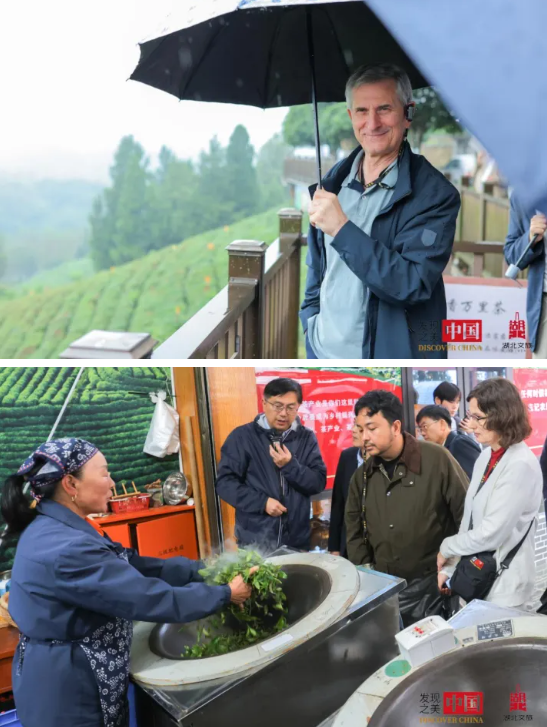
Andrey Tehov, Ambassador of Bulgaria to China, tasted high-mountain organic black tea during a livestream hosted by villagers; full of praise, he placed an order on the spot. A cup of tea, a livestream, and a natural exchange made rural revitalization no longer just a concept, but a real experience that could be tasted, purchased, and shared.
Khulan, Counselor of the Mongolian Embassy in China, visited Hubei for the first time. She said she saw beautiful natural scenery and felt the hospitality, diligence, and enterprising spirit of the local people, as well as the vigorous vitality of rural development. "I like it here very much."
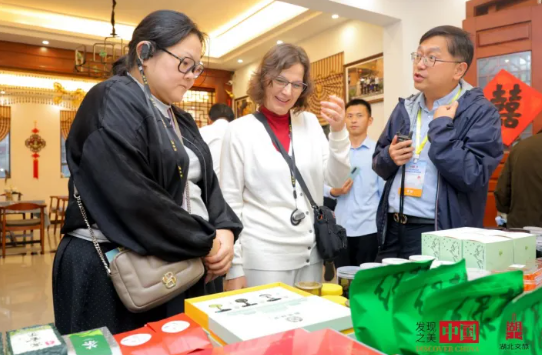
Kara, Second Secretary of the Cuban Embassy in China, believes that Yanhe Village's "ecology + rural" development practice provides important inspiration for the world; Marcelo Suárez Salvia, Ambassador of Argentina to China, called Yanhe Village "a very successful case," saying that the integration of agriculture and tourism had made the village famous and significantly improved villagers' lives, and was worth learning from in more places.
For Hu Baiyu, First Secretary of the Indonesian Embassy in China, the tea hill experience also opened another cultural window. He noticed that behind Chinese tea culture there is a complete and profound etiquette. "The entire process, from preparation to drinking tea, makes one feel calm and peaceful." He said he came to Hubei as a "scholar and learner" and was willing to continue understanding China with humility.
The Three Gorges Dam Gives "Miracles" Warmth
From Xiangyang to Yichang, Hubei's story extended from a thousand-year cultural lineage to great changes in mountains and rivers.
Standing in front of the Three Gorges Dam, Sashko Nasev, Ambassador of North Macedonia to China, said this was not only a miracle of energy and technology, but also a public space open to ordinary people. "This is an experience unique on Earth."
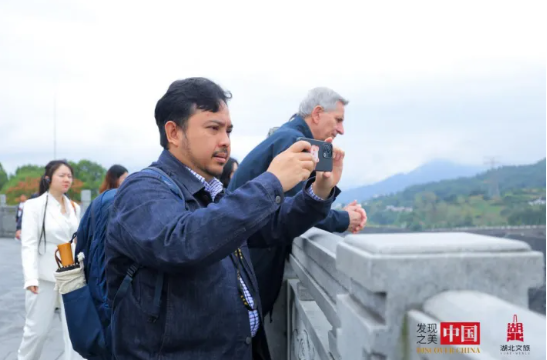
Indonesian diplomat Hu Baiyu, however, focused on the story behind the dam. In his view, this magnificent project embodied the spirit of the Chinese people working together to improve their lives and promote national development. Its value lay not only in the landscape before him, but also in the efforts of people and society to build a better life together.
Marcelo Suárez Salvia, Ambassador of Argentina to China, also specifically mentioned that the Three Gorges Project not only supplies electricity to a large area, but also drives surrounding tourism and rural development, while attaching importance to the protection of rivers, land, and species. "This fully shows the importance of environmental protection for the sake of future generations."
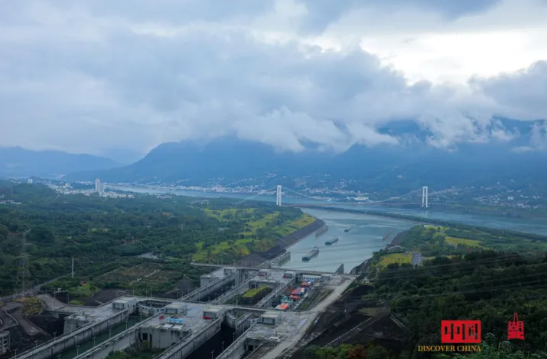
In the Three Gorges of the Yangtze River, the diplomats cruised through Xiling Gorge and experienced the Gezhouba Dam ship lock, feeling Yangtze culture in the scenery of "boats traveling among the mountains." Natural landscapes, major projects, ecological protection, and livelihood improvement converged here into a three-dimensional picture of China's development.
The Most Moving Scenery Is the Zhiyin Between People
During this Hubei trip, the diplomats saw more than just tourist attractions or projects.
On the morning of September 19, the diplomats went to the Angel Yeast Nutrition and Health Park, to tour Hubei Angel Biotechnology Group Co., Ltd., and learned about the company's development and overseas markets. At the Angel Yeast Science and Technology Museum and the public R&D experimental platform, the diplomats learned in detail how this Yichang enterprise went global. The baking interaction that followed aroused great interest among the diplomats, who all tried their hands at making bread.

Sashko Nasev, Ambassador of North Macedonia to China, said the most important takeaway from the trip was the "people"—new friends, hospitable local people, and staff who provided help in the details.
Marcelo Suárez Salvia, Ambassador of Argentina to China, has repeatedly participated in the "Discover the Beauty of China" program for diplomats stationed in China. He said such trips allowed diplomats to learn about local customs, communities, and traditional culture, see local real development, and exchange with local governments and enterprises— an experience that "feels really very good."
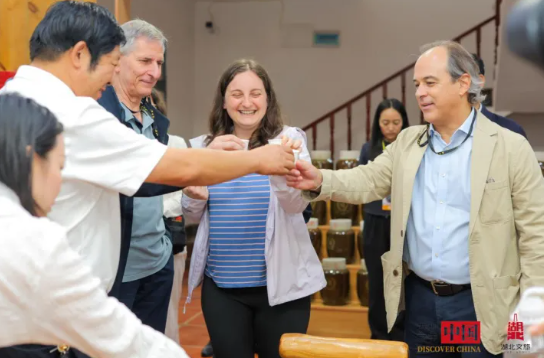
Soldat Tatjana, Director of the Serbian Cultural Center in Beijing, regarded each day's visit as a new possibility for cooperation: starting from Chinese stories such as Zhuge Liang and the Three Gorges of the Yangtze River, looking for connections with Serbian culture. She expressed the hope to return to Hubei soon for deeper cultural exchanges.
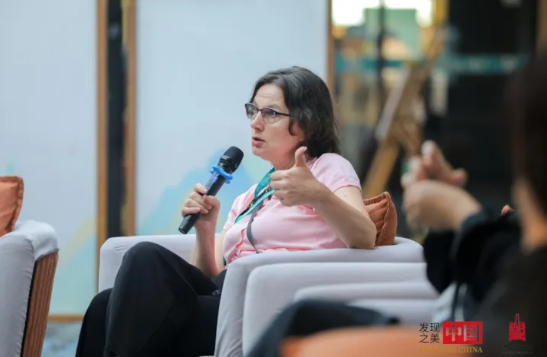
Zhiyin is not just a story of high mountains and flowing water. It also means understanding, appreciation, and mutual acquaintance between people, between countries, and between different cultures. As was said in the summary exchange of the event, people often come to know a place and make a friend starting from "a cup of tea, a spell of rain, a book, a story, or a chance encounter."
During the five-day trip, the diplomats met scenery and friends in Hubei; saw history and present-day reality; felt the beauty of China and found their own Zhiyin (kindred spirit) stories."
This "Meet Hubei, Land of Zhiyin" trip was both a cultural tourism exchange and an open expression to the world. Xiangyang and Yichang carefully organized the itinerary, linking historical culture, natural landscapes, beautiful villages, major projects, industrial practices, and urban development, allowing diplomats in China to go deep into Hubei and see a China with profound cultural heritage, everyday vitality, and development speed.
For the diplomats in China, the Zhiyin Hubei trip offered more than only photos and videos, but also real memories of the ancient city of Xiangyang, the mountains and waters of the Three Gorges, the tea fragrance of Yanhe, and the people of Hubei. Exchange is not the end, but a new starting point. In the future, Hubei will use Zhiyin as a bridge to promote more personnel exchanges, cultural exchanges, and cultural tourism cooperation, so that friends from all over the world can come to Hubei, understand Hubei, fall in love with Hubei, and find their own Zhiyin stories in Hubei.
Source: Hubei Fabu, Hubei International Communication Center (HICC), Hubei Provincial Department of Culture and Tourism
Events
More+-
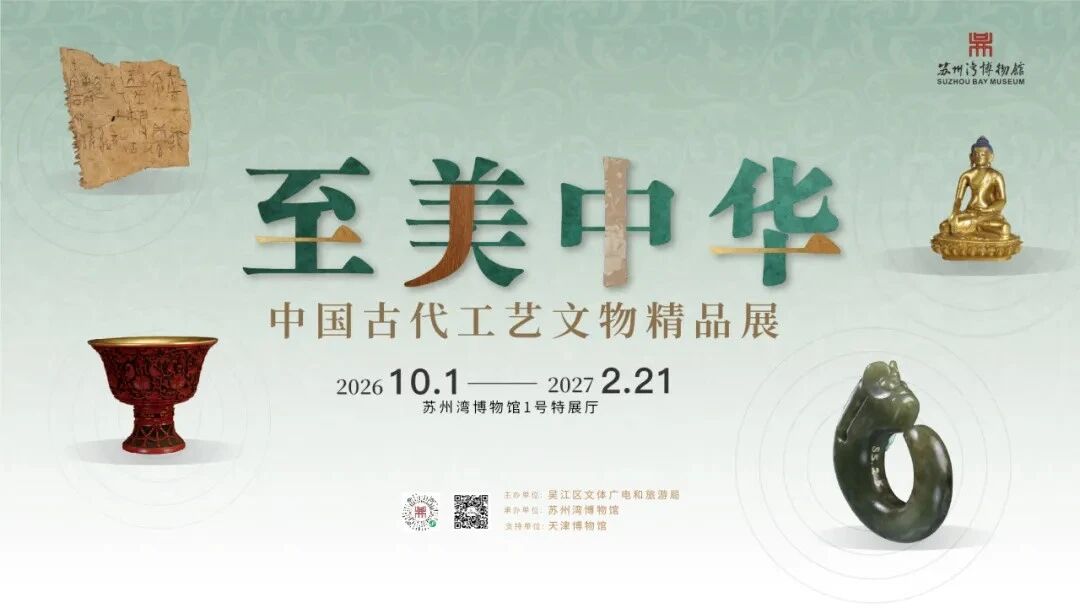
Exhibition of Masterpieces of Ancient Chinese Craftsmanship
-

Autumn Youth Art Salon Exhibition
-
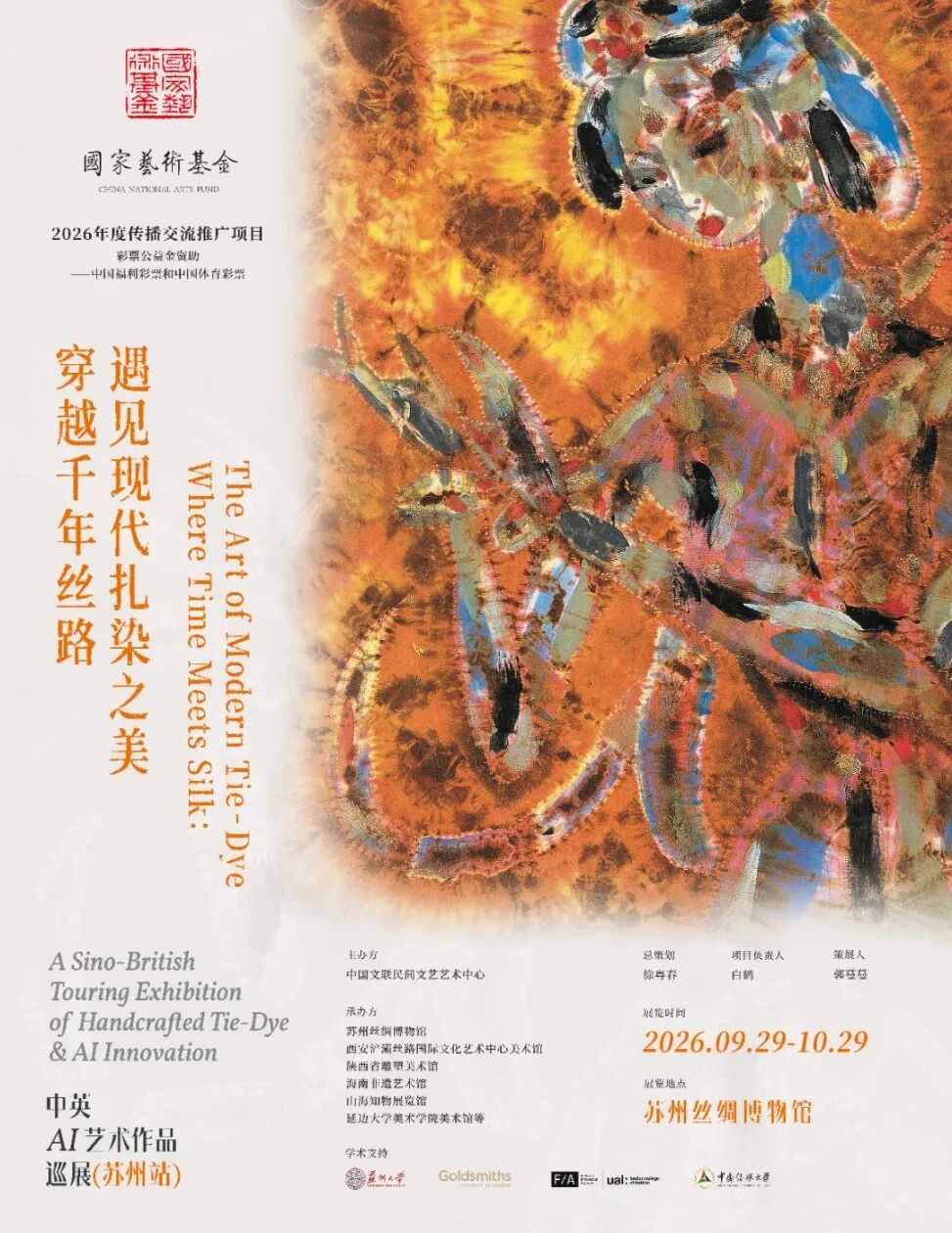
Sino-British Touring Exhibition of Handcrafted Tie-Dye & AI Innovation
-
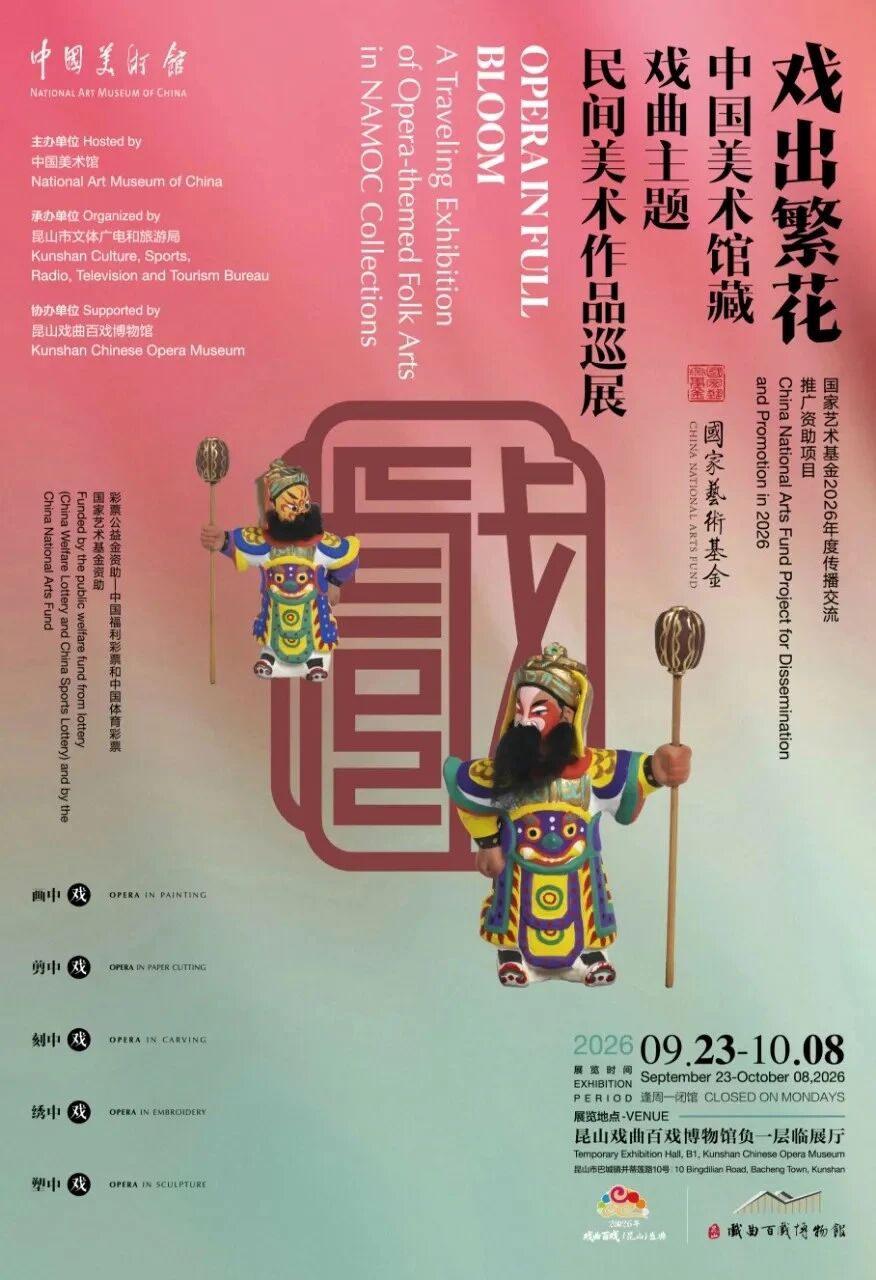
Exhibition of Opera-themed Folk Arts in NAMOC Collections
-
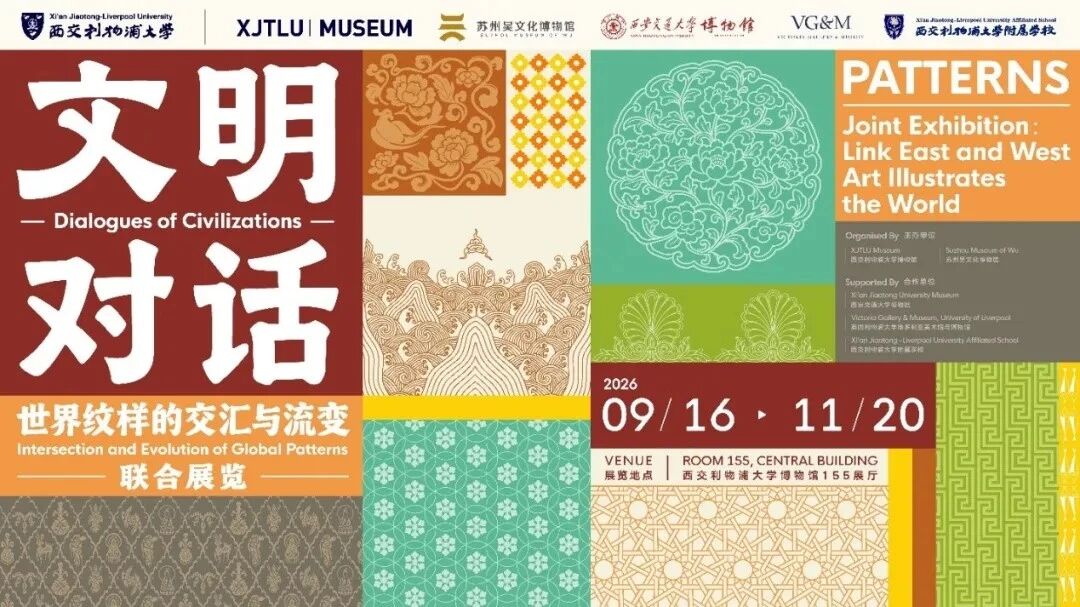
Exhibition of Intersection and Evolution of Global Patterns
Discover








 京公网安备11010802044359
Contact Us:86-10-58882453 86-10-58882413