Qingdao University Introduction
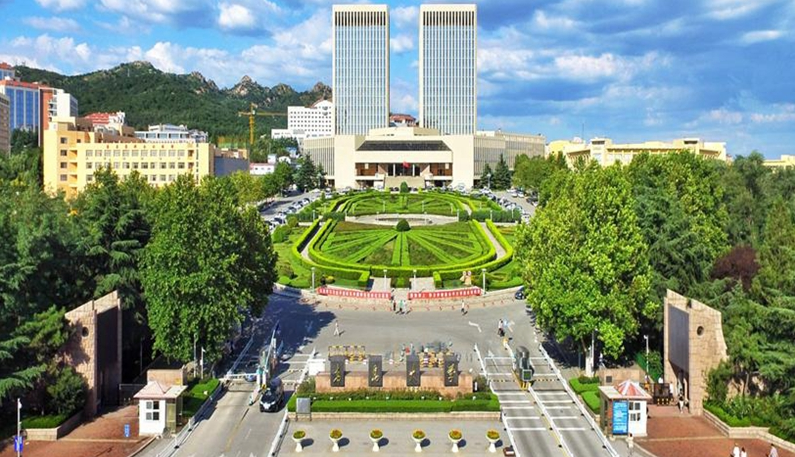
Qingdao University is located in the historic and cultural city of Qingdao. It carries the history of higher education development in this city and is filled with a rich spirit of the times.
The university's history can be traced back to Qingdao Specialized Institute of Higher Learning, founded in 1909. Over more than a century, Qingdao University has passed on its legacy and forged ahead, producing nearly 500,000 outstanding alumni who have made important contributions to regional economic and social development and to the progress of human civilization. The university is ranked in four major world university rankings: ShanghaiRanking's Academic Ranking of World Universities (ARWU), U.S. News, Times Higher Education (THE), and QS Asia University Rankings. It has been listed in the ShanghaiRanking Academic Ranking of World Universities top 500 for eight consecutive years. Leveraging the distinctive strengths and brand advantages of its medical and teacher education disciplines, the university promotes the co-construction of the Qingdao Medical College of Qingdao University with the municipal government, supporting Qingdao's efforts to build a national regional medical center and a leading medical center city north of the Yangtze River. It also advances the co-construction of the Qingdao University Education Group with the municipal education bureau, establishing seven basic education cooperative school-running units to support the high-quality development of basic education in Qingdao. Together with Qingdao, it has established the Qingdao Entrepreneur College, Qingdao Lawyers College, and Qingdao Social Work College, actively offering suggestions for regional economic and social development and building distinctive think-tank service platforms.
The university currently has three campuses—Fushan Campus, Jinjialing Campus, and Songshan Campus—covering an area of 2,496 mu (about 166.4 hectares) with a building area of 1.119 million square meters. The campuses are picturesque and pleasant, with abundant teaching and research resources and well-equipped facilities. Fixed assets total 4.59 billion yuan; there are 60,200 sets of teaching and research equipment; the library holds 3.394 million volumes and 1.716 million e-books. The university publishes nine academic journals. It has 12 affiliated hospitals and 7 teaching hospitals.
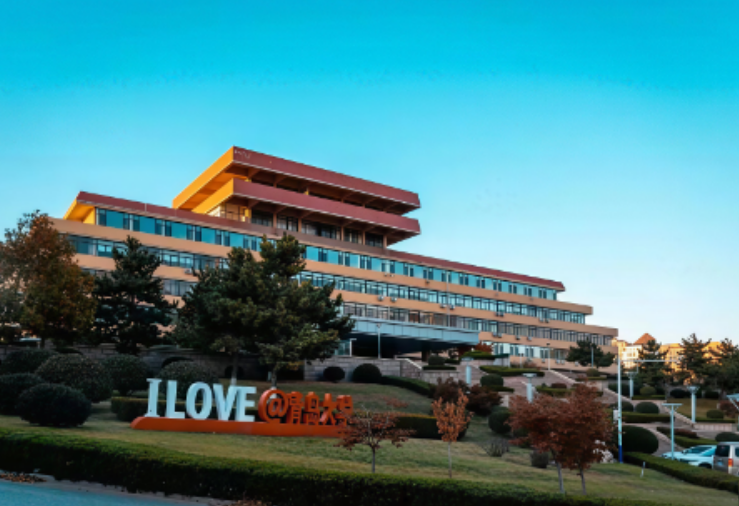
The university has 28 schools and the Qingdao Medical College. It currently offers 90 undergraduate programs on record, with 83 undergraduate programs admitting students in 2026. It has 16 first-level doctoral degree programs, 4 professional doctoral degree categories, 39 first-level master's degree programs, 30 professional master's degree categories, and 11 postdoctoral research stations, covering 11 disciplines: economics, law, education, literature, history, science, engineering, medicine, management, art, and interdisciplinary studies.
The university has 2 national key disciplines; 1 first-class discipline under Shandong Province's "15th Five-Year Plan" advantageous and characteristic disciplines; 2 Class A key characteristic and urgently needed disciplines; 1 Class B discipline; 1 Class B potential discipline under Shandong Province's "811" First-Class Discipline Construction Project; 8 Shandong Provincial High-Level Disciplines; 8 Shandong Provincial First-Class Disciplines; 20 Shandong Provincial Key Disciplines; and 2 Qingdao industry-education integration demonstration disciplines. Its academic influence ranks 360th globally. Five disciplines—chemistry, engineering, materials science, pharmacology and toxicology, and clinical medicine—rank in the global top 1‰, and 18 disciplines rank in the global top 1%. Twenty-nine disciplines are listed in the 2025 ShanghaiRanking Global Ranking of Academic Subjects; 28 disciplines are listed in the 2025 ShanghaiRanking Best Chinese Subjects Ranking; and 32 disciplines are listed in the U.S. News 2026–2027 Best Global Universities subject rankings.
The university currently has more than 42,000 students, including more than 12,900 graduate students, more than 29,000 undergraduate students, and more than 600 international students. It has more than 3,600 faculty and staff, including more than 2,540 full-time teachers, among whom are more than 80 full-time national-level talent awardees and 254 provincial and ministerial-level talent awardees. There are 1,891 teachers holding doctoral degrees, accounting for 74%. The university is among the first batch of national intellectual property pilot universities, a demonstration university for innovation and entrepreneurship education reform of the Ministry of Education, one of the first batch of national innovation and entrepreneurship college construction units, a demonstration university for faculty assessment and evaluation reform of the Ministry of Education, and a comprehensive reform pilot unit under the Ministry of Education's three-year action plan for building a leading country in education. It has established a Ministry of Education Demonstration Base for Studying in China, a National Base for Cultural Quality Education for College Students, a Chinese Language Education Base, a National Intellectual Property Information Service Center, and a Ministry of Education Innovation Base for Training Foreign-Related Legal Talent (under cultivation).
The university has 11 national teaching platforms, including National Teaching Demonstration Centers and National Clinical Teaching Demonstration Centers; 3 national talent training model innovation experimental zones; 3 national talent training bases; 4 provincial top-notch innovative talent training bases; 13 provincial characteristic schools; 39 national first-class undergraduate program construction points; 17 provincial first-class undergraduate program construction points; 26 programs accredited by the Ministry of Education or international accreditation bodies; 36 national first-class undergraduate courses and 104 provincial first-class undergraduate courses; 46 provincial excellent/quality graduate courses; 1 national curriculum ideological and political demonstration course and 48 provincial curriculum ideological and political demonstration courses; 5 National Teaching Materials Construction Awards; 11 national planning textbooks for the "14th Five-Year Plan"; 32 provincial first-class textbooks; 2 national teaching achievement awards; and 76 provincial teaching achievement awards.
The university currently has 1 National-Local Joint Engineering Research Center, 1 provincial and ministerial co-built collaborative innovation center, 1 national international science and technology cooperation base, 1 Higher Education Discipline Innovation and Talent Introduction Base, 1 Engineering Research Center of the Ministry of Education, 1 first batch key cultivation pilot test platform of the Ministry of Industry and Information Technology, 46 provincial-level key laboratories, engineering research centers, collaborative innovation centers, and clinical medical research centers, 6 provincial-level humanities and social sciences research bases and key new think tanks, 1 Shandong Provincial Decision-Making Consulting Results Direct Reporting Point, 1 Direct Reporting Point for Collecting People's Suggestions of the Social Work Department of the Shandong Provincial Party Committee, 127 municipal and departmental-level science and technology innovation platforms, and 22 municipal and departmental-level humanities and social sciences research institutions. The "China-Uruguay Joint Laboratory for Bionanopharmaceuticals," jointly built with the Universidad de la República (Uruguay), has been included in the joint statements of the two governments twice.
Since the "14th Five-Year Plan," the university has undertaken 1,105 national-level projects, including National Key R&D Program projects, National Natural Science Foundation projects, and National Social Science Fund projects; published 30,222 papers indexed by SCI, 2,412 papers indexed by SSCI and A&HCI, and 1,036 CSSCI papers; received 106 provincial and ministerial-level awards; and obtained 2,064 authorized patents.
The university adheres to an internationalization strategy, establishing friendly exchange and cooperation relations with 257 institutions in 40 countries and regions and more than 200 programs for faculty-student exchange, joint training, and cooperative research. It has been approved to establish 1 undergraduate-level Chinese-foreign cooperative education institution and has established 2 Confucius Institutes (Classrooms) with foreign universities (institutions). It has been selected for the Ministry of Education's "China-Africa Hundred Universities Cooperation Plan" and approved for 1 intergovernmental special project on international science and technology innovation cooperation. It actively attracts global students for further study, with international students coming from 60 countries.
Rooted in the land of Qilu and developing based on Qingdao, the university has formed a new pattern of coordinated multi-disciplinary development through integration: medical education with obvious regional advantages; engineering education with distinctive industry characteristics; solid progress in science, humanities, and social sciences; rapid development of teacher education; and the accelerated incubation of emerging disciplines such as new materials, new energy, next-generation information technology, and cultural creativity.
Standing at a new historical juncture, Qingdao University faculty and students shoulder new social responsibilities and historical missions. Adhering to the motto "Mingde, Boxue, Shouzheng, Chuqi" (明德、博学、守正、出奇; literally "illustrious virtue, extensive learning, upholding integrity, and breaking new ground"; no official English translation exists), they fully implement the fundamental task of fostering virtue through education, adhere to the path of high-quality development, and embark on a new journey to build a high-level comprehensive research university.
(Data as of September 2026)
Directions to the University
Welcome to Qingdao University!
Qingdao University is located in eastern Qingdao. The 2,655-mu campus complements the blue sea, reflecting the pioneering, enterprising, innovative, and self-disciplined spirit of the new generation of Qingdao University. Qingdao University is situated in the cultural, educational, and scientific zone in eastern Qingdao, backing onto Mount Fu and facing the Yellow Sea, with a rich cultural atmosphere and beautiful scenery. With 292,728 square meters of green space, 103,390 square meters of lawns, and more than 80,000 trees and shrubs, the entire campus is colorful and lush, with flowers in three seasons and evergreen scenery throughout the year. The university has 11 scenic spots and 21 reading and resting spots. The beautiful campus landscapes and quiet, elegant student reading and resting spots, each with distinctive features and distributed in sequence, complement each other. Together with stretches of woodland and large areas of green space, they make Qingdao University an elegant and beautiful scenic area at the foot of Mount Fu.
Transportation Routes
- By air to Qingdao Jiaodong International Airport
Upon leaving the airport: you may take Metro Line 8 to Qingdao North Railway Station and transfer according to station instructions; or take the airport bus to the Hong Kong Middle Road/Xuzhou Road bus stop and transfer to city buses to reach each campus. - Qingdao University Fushan Campus (No. 308 Ningxia Road)
Take buses 321, 125, 316, 301, 11, 227, 623, 379, 304, or 320 and get off at Qingdao University Station; or take Metro Line 2 and get off at Maidao Station. - Qingdao University Jinjialing Campus (Middle Section of Songling Road)
Take buses 629, 621, 313 Loop, 313 Express, or 321 and get off at Qingdao University Jinjialing Campus Station; or take Metro Line 11 and get off at Qingdao No. 2 Middle School Station. - Qingdao University Songshan Campus (No. 38 Dengzhou Road)
Take buses 217 (downbound), 301, 2, 222, 211, 218, or 8 and get off at Liaoning Road/Huayang Road Station.
Tel: (86)-532-85951111
Fax: (86)-532-85953085
Website: https://www.qdu.edu.cn/
Chinese source: Official website of Qingdao University
The English version is for reference only. If there are differences between the English version and the Chinese version, the Chinese version shall prevail.
Events
More+-
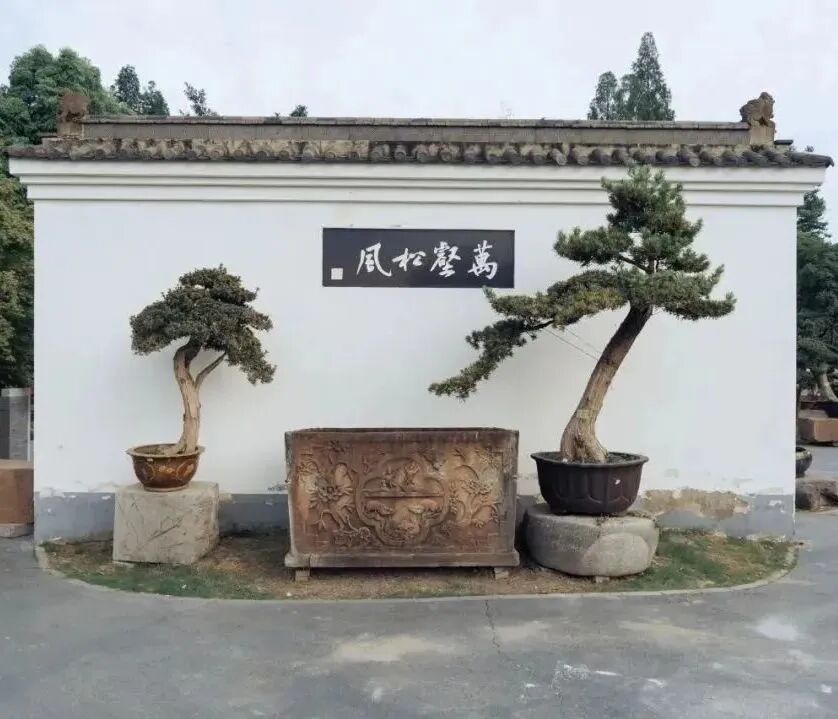
Craftsmanship in Every Landscape & Sichuan Charm in Every Breeze—2026 Yiyuan Garden Premium Sichuan-Style Penjing Exhibition
-
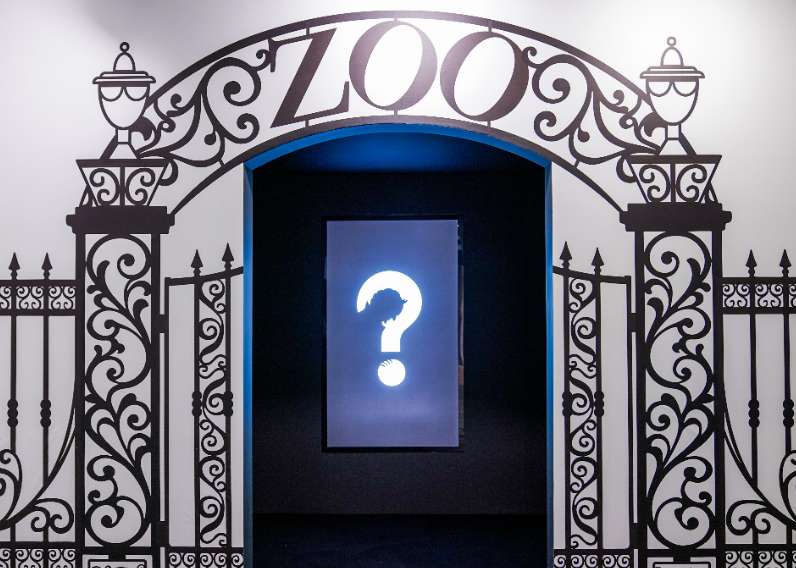
Tango Show: Zoo—Cartoonist Tango’s New Solo Exhibition
-

Fuxi: A Feast for the Universe—Qiu Jiongjiong Solo Exhibition
-
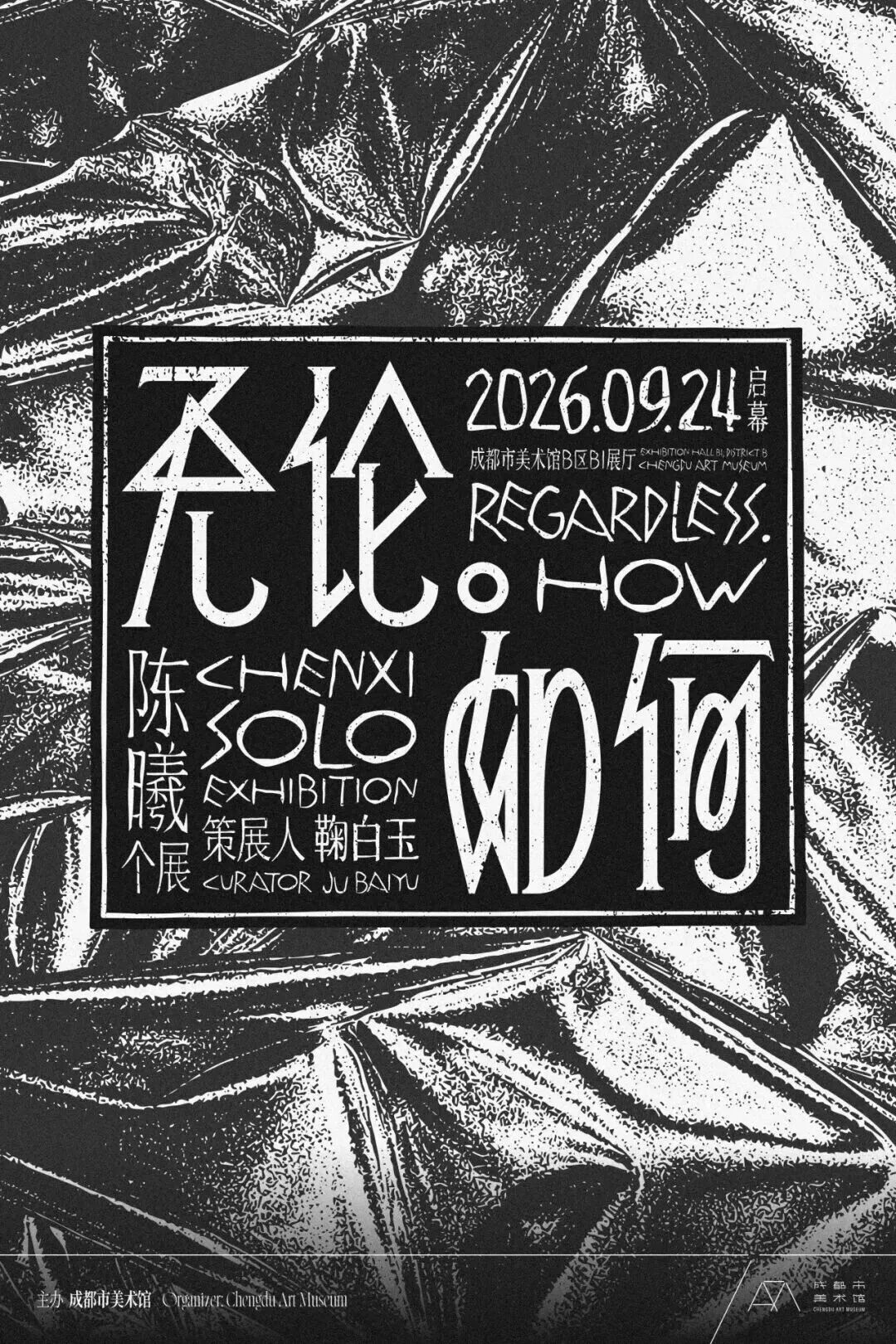
Regardless. How—Chen Xi Solo Exhibition
-
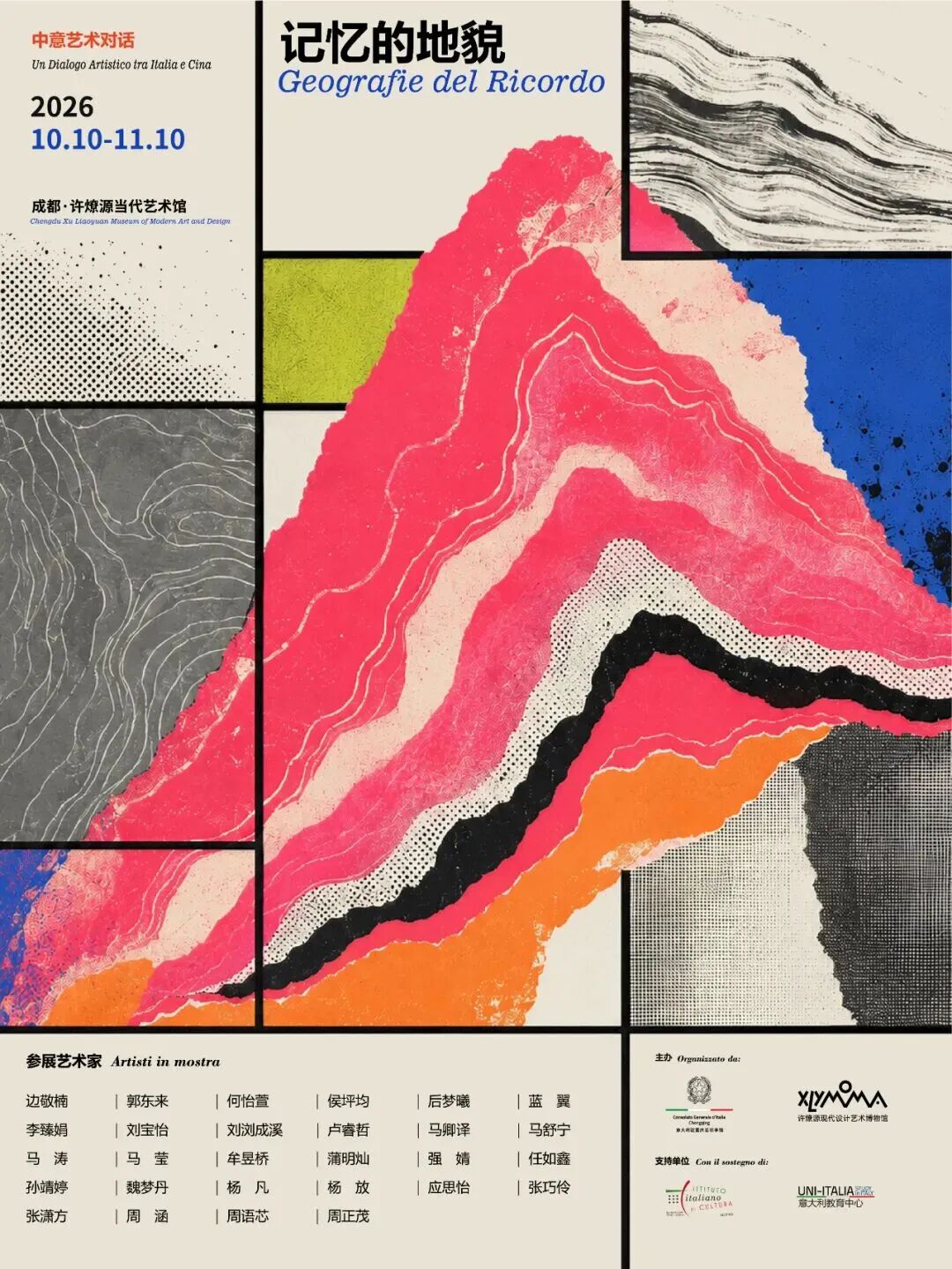
Geografie del Ricordo: un Dialogo Artistico tra Italia e Cina
Discover



 京公网安备11010802044359
Contact Us:86-10-58882453 86-10-58882413