
Xindu District Ancient Shu History and Culture Museum
is currently over halfway to its completion.
The museum is expected to be completed next year.
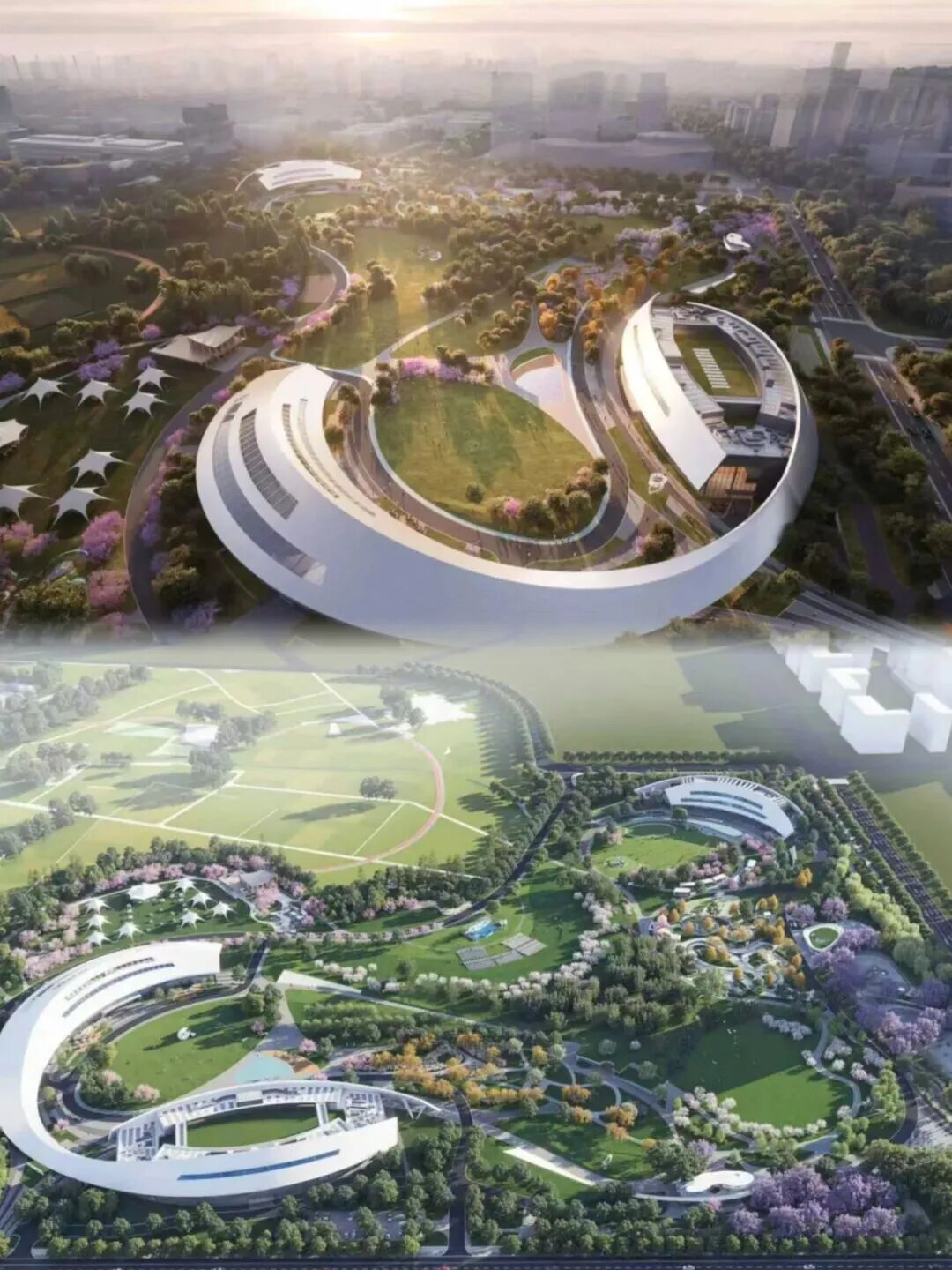
With a total floor area of approximately 50,000 square meters, the project will feature three standalone buildings—a museum, a library, and a science and technology museum—offering book stack rooms, reading areas, multi-purpose halls, and other core facilities, as well as a multi-purpose hall of over 1,000 square meters capable of hosting international academic conferences. Apart from them, the project includes numerous distinctive supporting consumption scenarios, such as arcade-style dining areas, camping and study tours, cultural and creative retail, intangible cultural heritage fairs, trendy sports, and art exhibition and sales. It is expected to receive over 1.5 million tourist visits annually.
In addition to the highly anticipated new museum, other hidden gems around Chengdu are worth a visit.
Pengzhou Museum
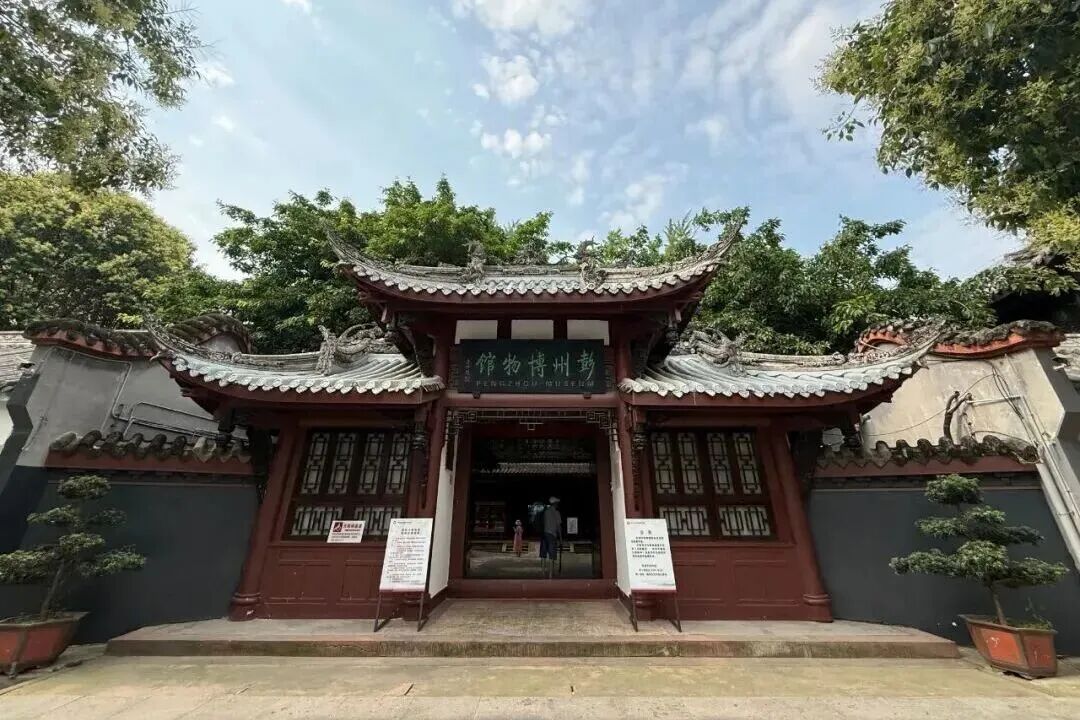
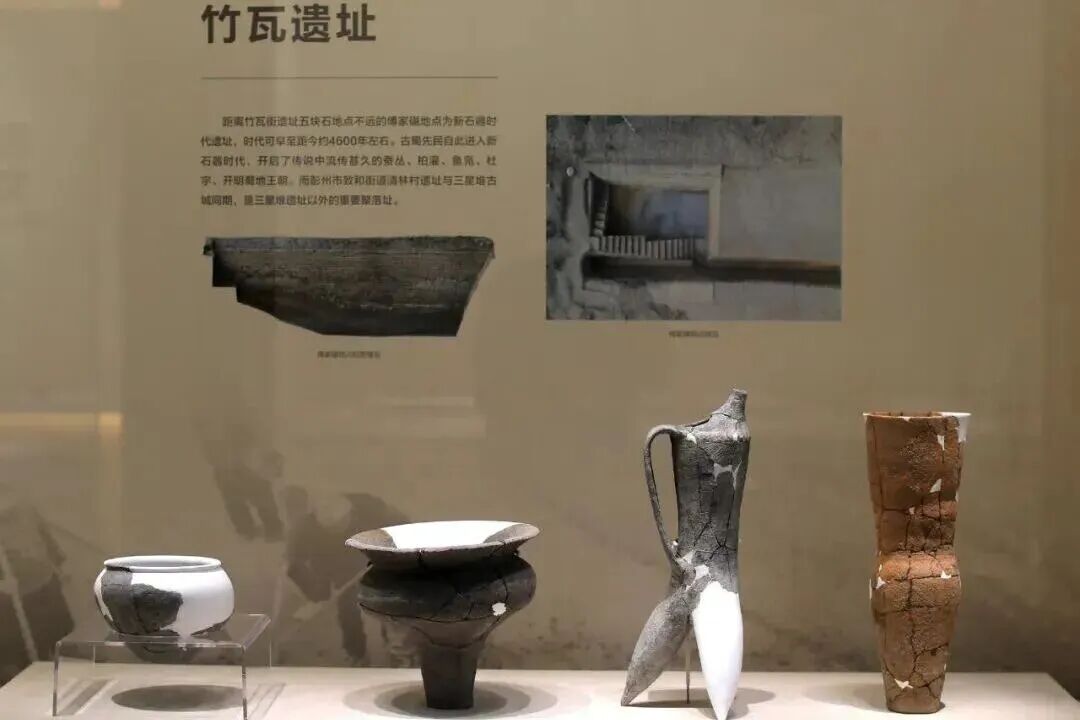
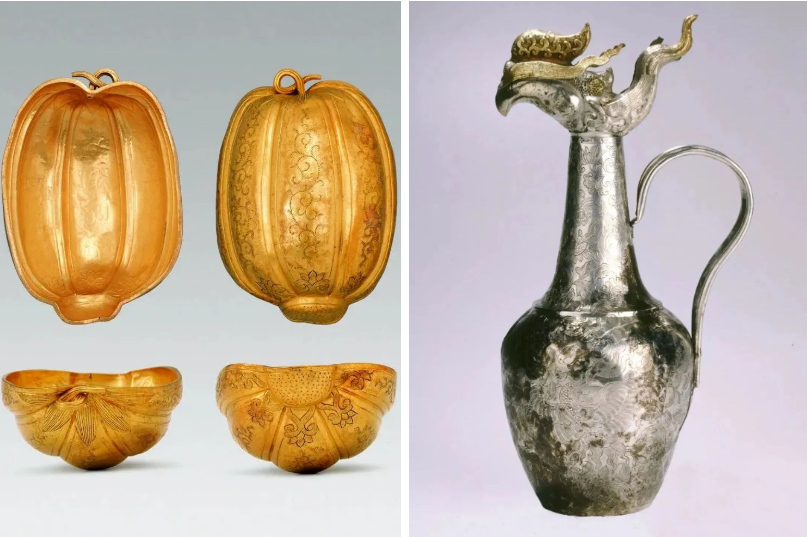
The museum holds a rich collection of artifacts, including 139 pieces or sets of national first-class cultural relics. Its holdings span over 3,000 years of Pengzhou’s history, including bronze objects from the Spring and Autumn Period and the Warring States Period, gold and silver artifacts from the Song Dynasty, pictorial bricks from the Han Dynasty, porcelains from the Tang, Song, Ming, and Qing Dynasties, and ancient calligraphy works and paintings since the Ming and Qing Dynasties.
Admission: Free
Opening hours: 09:00-16:30 (Tuesday to Sunday). Closed on Mondays (except for statutory holidays)
Guangdu Museum in Shuangliu District
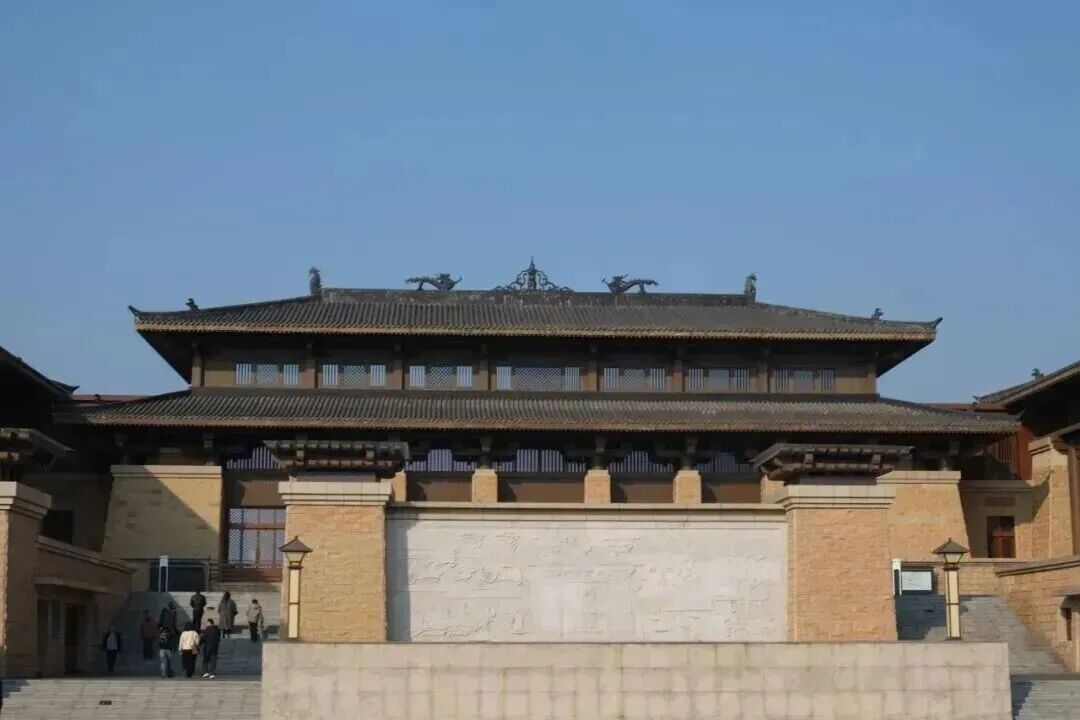
The museum’s architecture blends architectural styles from the Han and Tang Dynasties. Its collection comprises nearly 3,000 cultural relics, spanning a time range of nearly 100,000 years. Artifacts are divided into seven categories, including stone, jade, ceramic, and bronze objects.
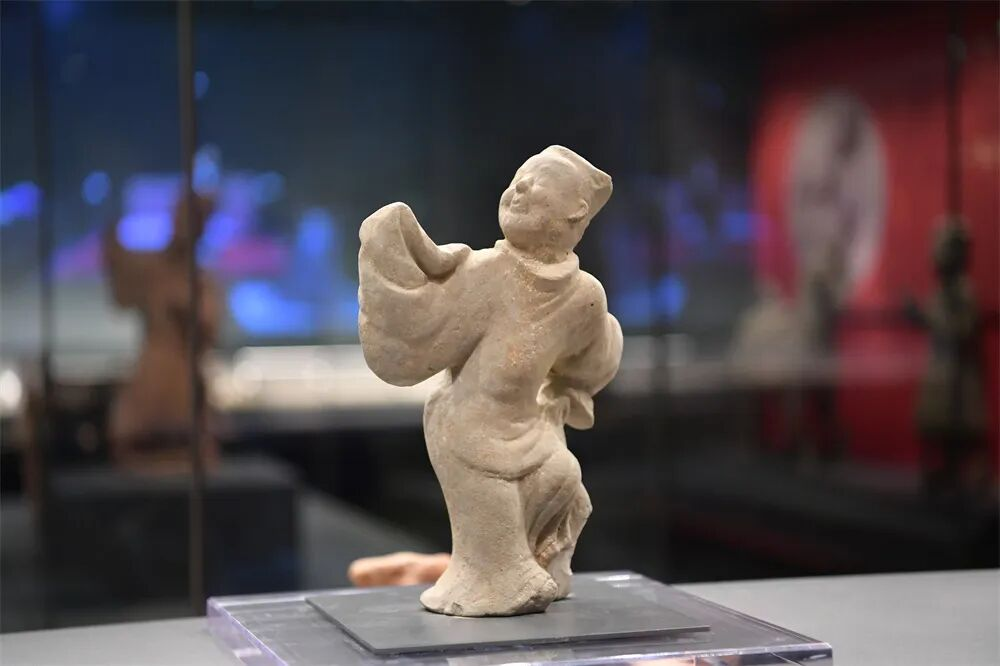
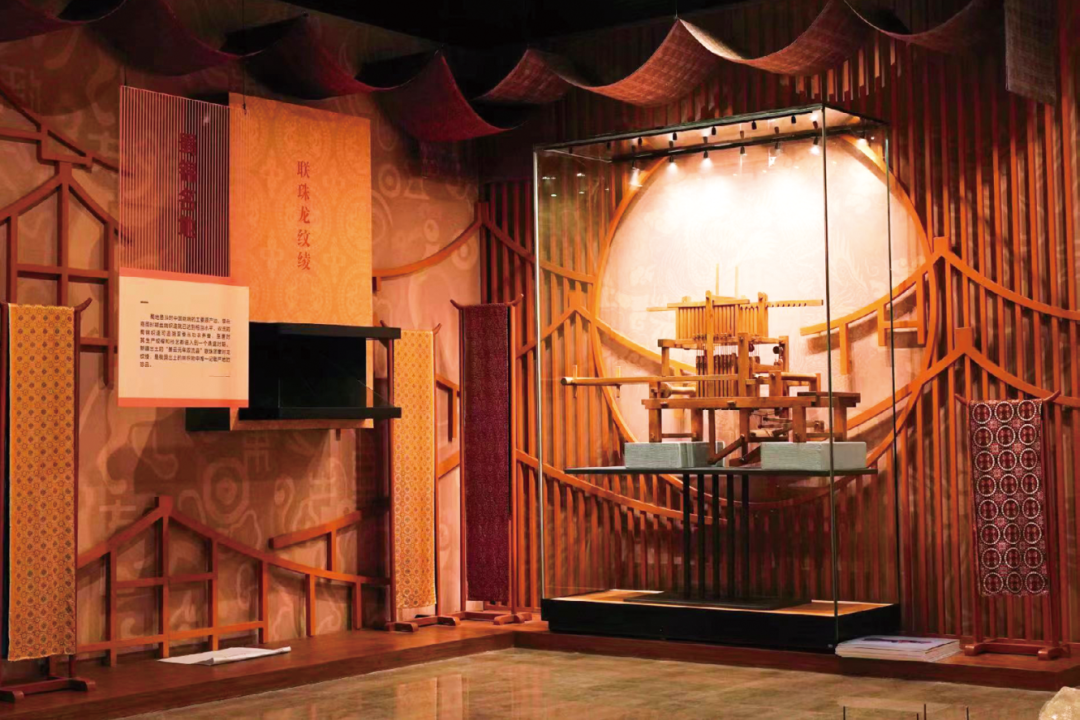
Admission: Free
Opening hours: 09:00-17:00 (last entry at 16:00; closed on Mondays, except for holidays)
Qingbaijiang Museum
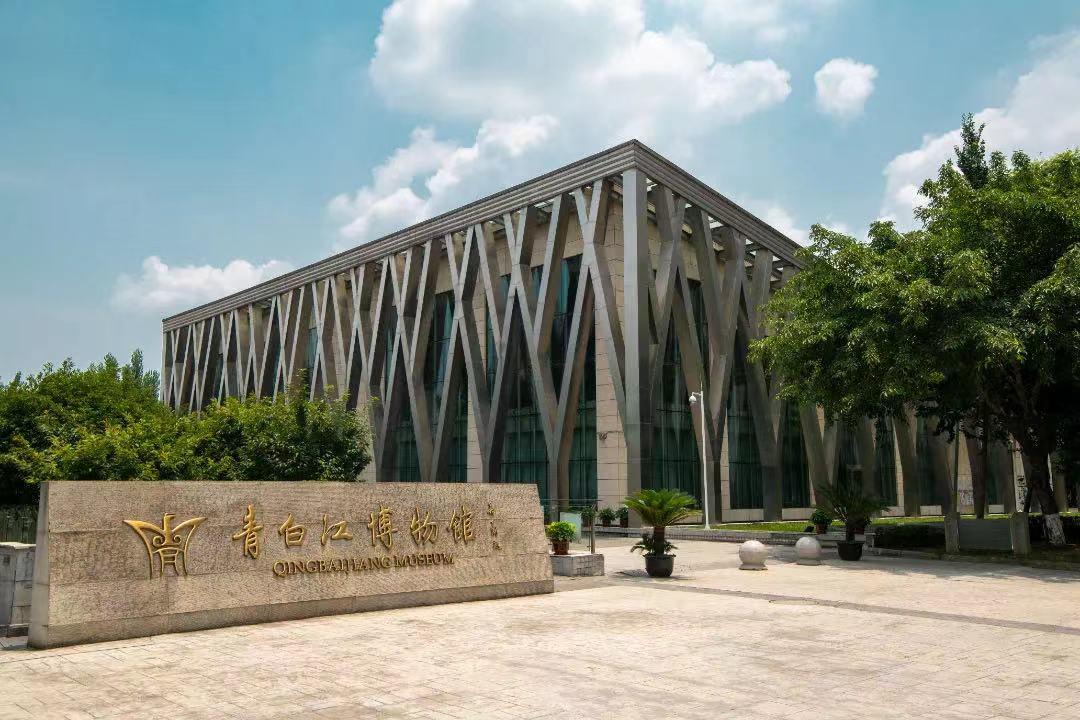
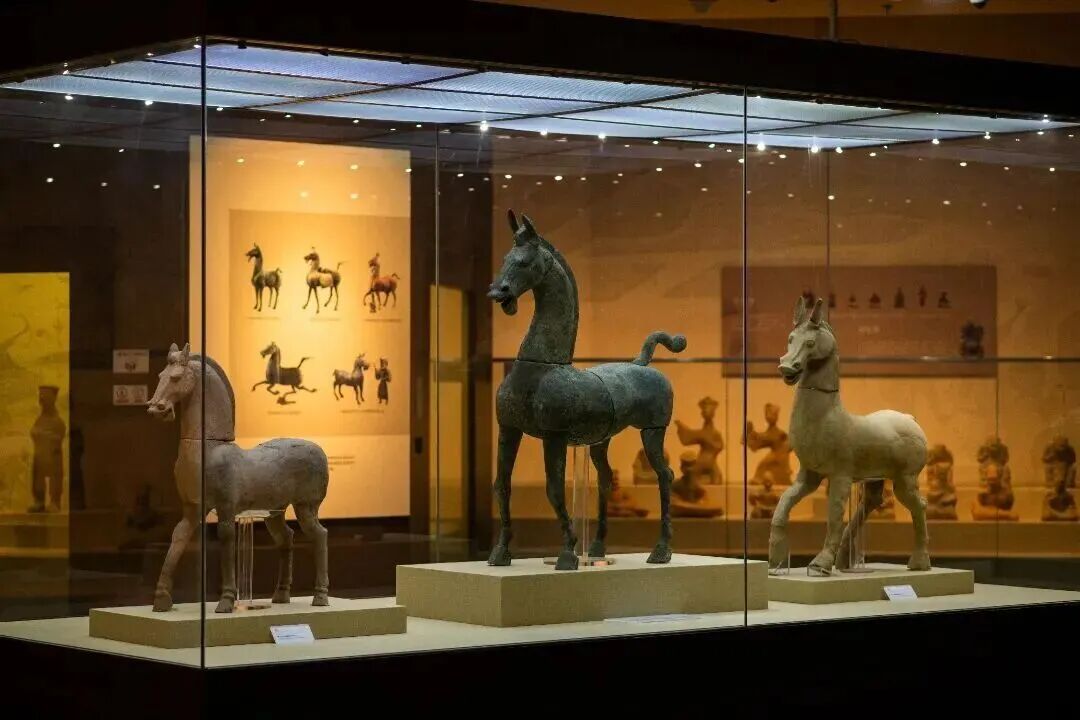
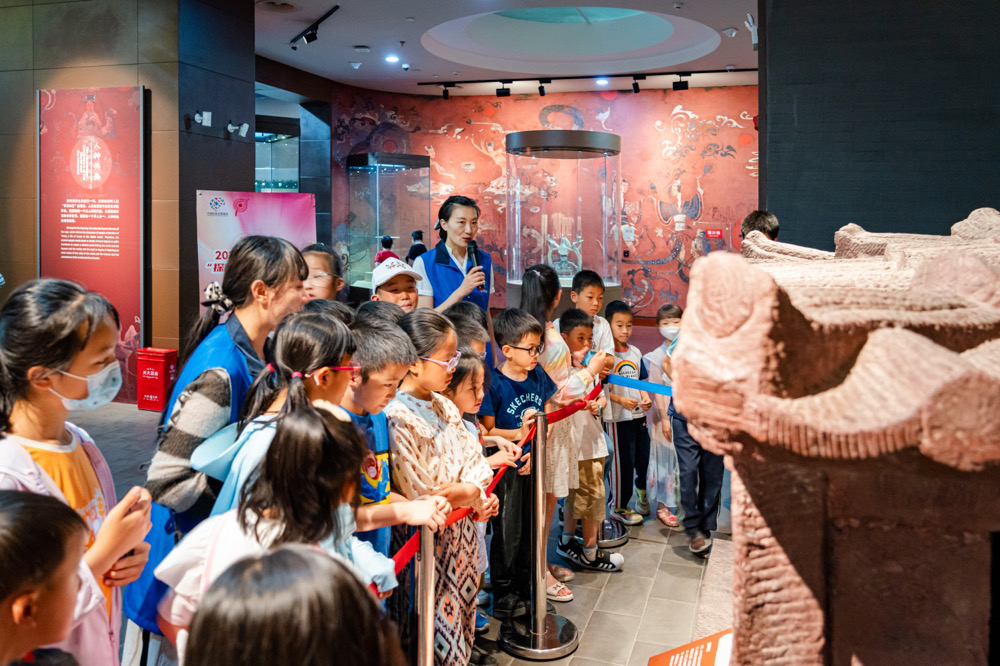
A total of 611 precious artifacts in the museum vividly reflect Qingbaijiang’s industrial memories, ancient Shu heritage, and historical ties to the Silk Road. Iconic objects include bronze horses, the tiger-bear-dragon-phoenix pedestal, the crane-shaped bronze incense burner, and the bronze money tree. Among them, the bronze horse is a national first-class cultural relic.
Admission: Free
Opening hours: 09:00-17:00 (last entry at 16:30; closed on Mondays, except for holidays)
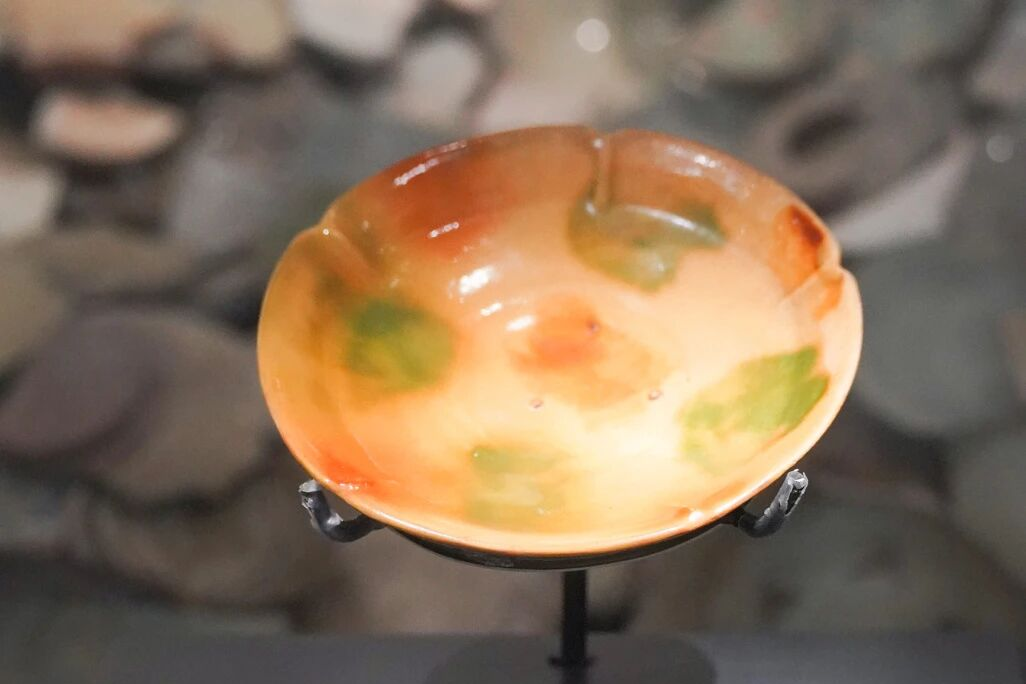
Qiong Kiln Site Museum
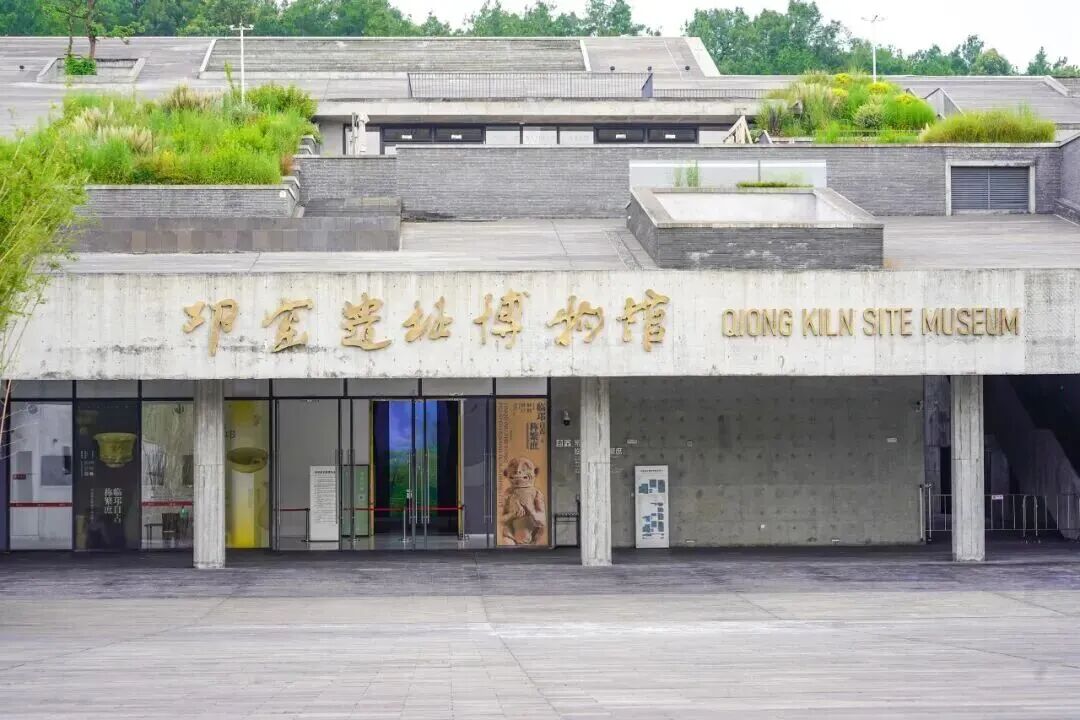
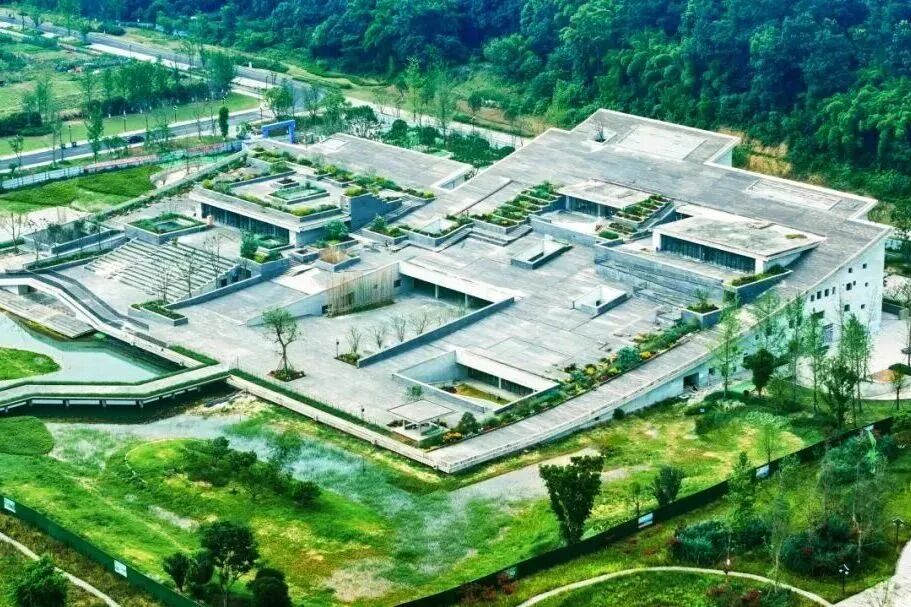
The museum presents a comprehensive overview of archaeological discoveries from Qiong Kiln Site, along with its porcelain-making techniques, cultural significance, and its important position in the history of ceramics.
Admission: Free
Opening hours: 09:00-17:00 (last entry at 16:30; closed on Mondays, except for holidays)
Source: HomeinChengdu











 京公网安备11010802044359
Contact Us:86-10-58882453 86-10-58882413