
China challenged my assumptions: a German youngster’s first impression of Hangzhou
Jan 09, 2026
Hangzhou
Spending a semester abroad in Hangzhou, Zhejiang Province, China is already an experience that rearranges one’s mental furniture. Adding the Digital Zhejiang Cultural Immersion Program with curated cultural, technological, and economic activities on top of that turns the whole thing into a personal upgrade patch. Over the past weeks, I took part in a series of excursions and lectures that offered a fascinating mix of China’s traditions, natural beauty, and rapid technological evolution. From learning about Hangzhou’s digital economy to wandering through the green hills of Anji, Huzhou, from interacting with calligraphy-robots to being immersed in VR worlds, these activities reshaped the way I see China, development, and the connection between history and innovation.
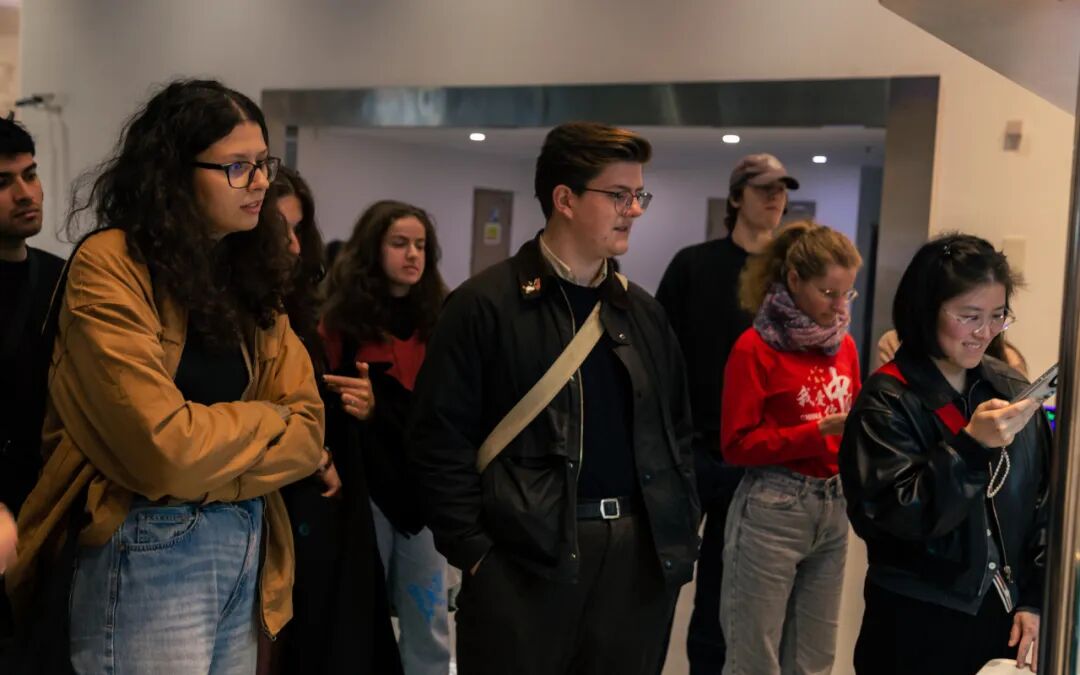
The lecture on Hangzhou’s digital economy was my first real introduction to how the city positions itself as a unique fusion of cultural heritage and technological ambition. It is easy to think of Hangzhou solely as the home of West Lake, classical gardens, and centuries-old poetry, but the lecture made it clear that this view is outdated. Hangzhou has become a powerhouse in China’s digital landscape, most famously as the birthplace of Alibaba and a dense ecosystem of tech startups, research labs, and digital infrastructure initiatives.
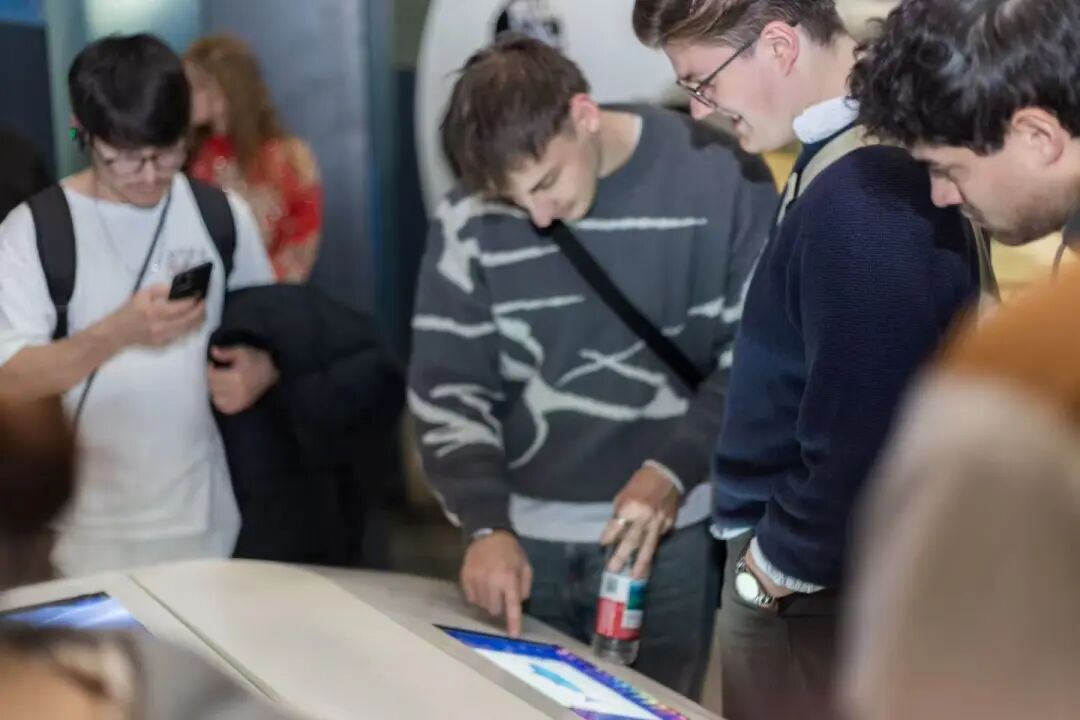
What impressed me most was how seamlessly the city blends tradition with innovation. Instead of replacing the past, Hangzhou seems to weave it into a narrative of progress: temples and tea fields coexist with AI labs, e-commerce headquarters, and smart-city systems. The lecture also emphasized how Hangzhou serves as a model for other Chinese cities looking to pursue digital transformation without losing cultural identity.
It was my first reminder that China’s development is not merely fast; it is intentional, strategic, and intertwined with cultural meaning.
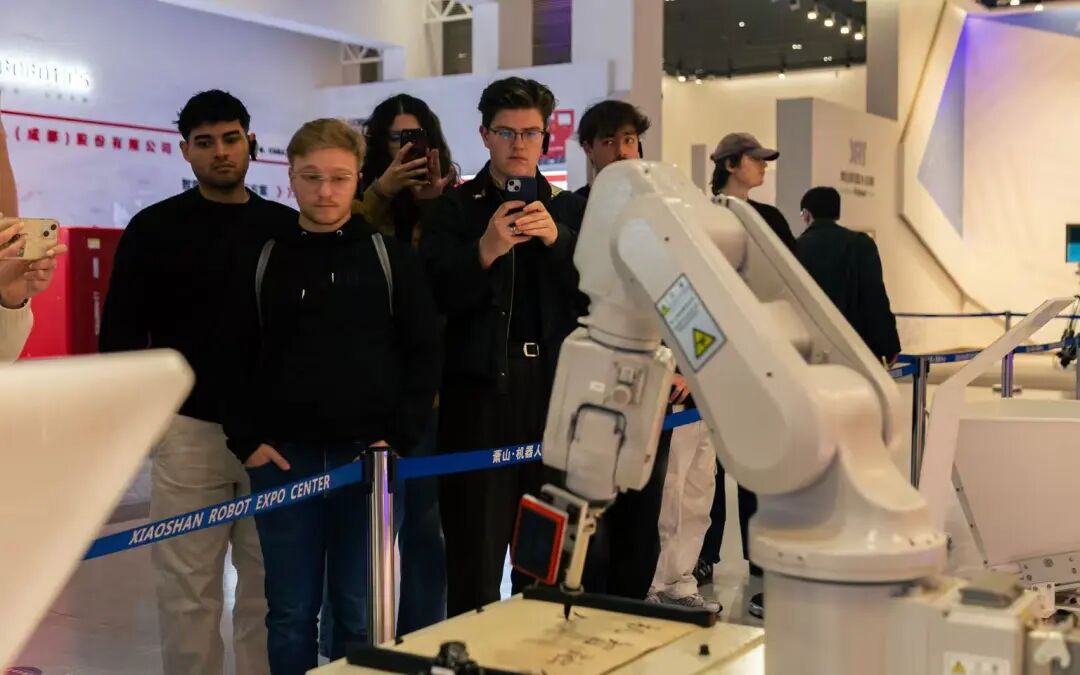
As an industrial engineering student, Robot Town was easily one of my favorite activities. It felt like stepping into a world where prototypes and science-fiction concepts casually mingle. The variety of robots on display, from industrial arms to humanoid models, demonstrated how deeply robotics is integrated into Chinese innovation strategies.
What stood out the most was the calligraphy robot. Watching it paint strokes of traditional Chinese characters with mechanical precision was strangely moving. It symbolized something I had observed throughout my stay: China does not treat culture and technology as competing forces. Instead, they are intertwined. The robot reminded me of the lecture on Hangzhou, where tradition and modernity coexist rather than collide.
Of course, I also collected a stamp here — this time printed by a robot — which felt like having my travel experience certified by the future itself.
The interactive upper floor offered the chance to experiment with the robots firsthand. This playful engagement made the technology feel more accessible, not something hidden in factories but part of everyday human–machine interaction. It left me with a sense of excitement about the future of automation, not fear.
The VR experience was the final activity, and it shifted the focus toward digital storytelling. The Notre Dame immersive reconstruction at Xihu District impressed me not only with its technical smoothness but also with its emotional impact. Standing in a virtual cathedral, watching history from within, felt surprisingly profound.
The activity demonstrated the power of immersive technologies in education, tourism, and cultural preservation. It felt like the natural continuation of everything we had learned: a meeting point between memory, culture, and modern innovation.
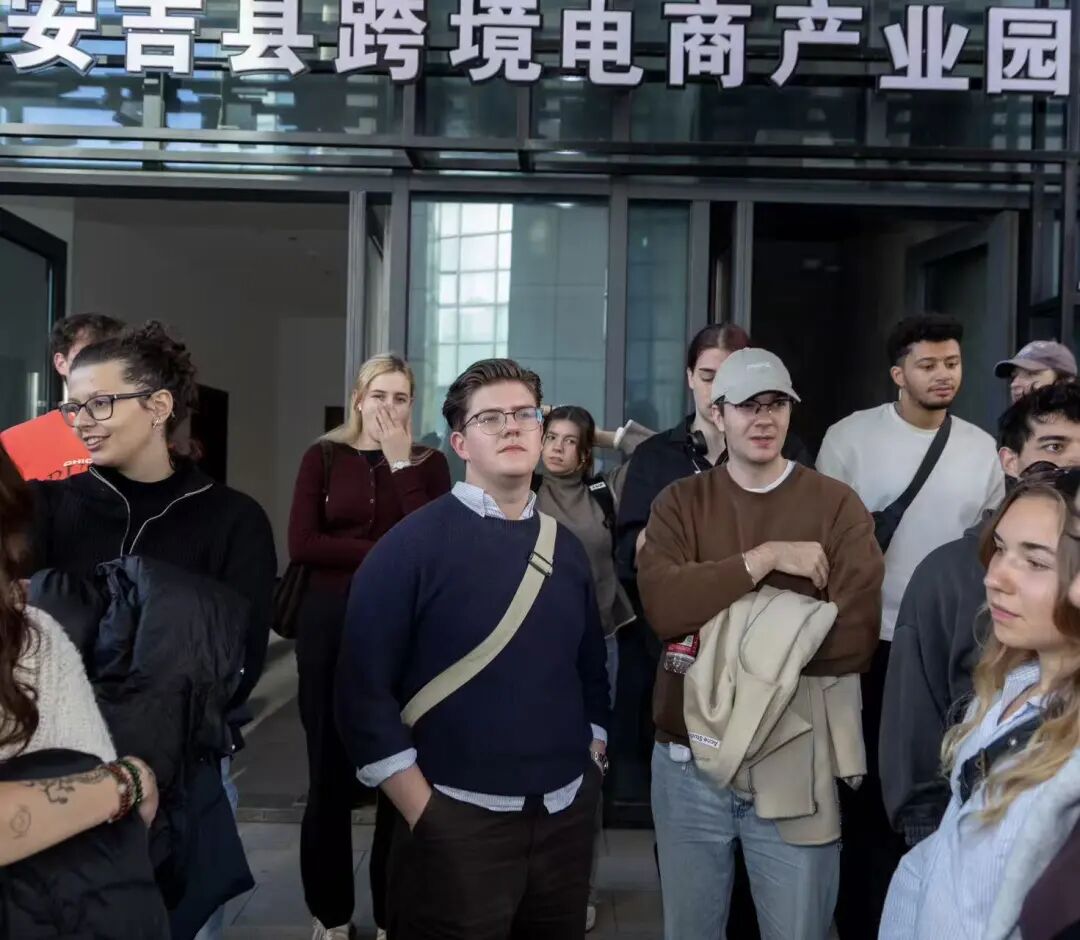
If Hangzhou’s digital economy showcases urban innovation, Anji in Huzhou reveals how technology and sustainability can transform rural regions. The moment we arrived in Anji, I noticed the air. Fresh, crisp, almost annoyingly clean compared to any large city. The green mountains surrounding us felt almost surreal, like stepping into a painting brushed with bamboo and morning mist.
This program has changed the way I see China. The country is not simply “advanced” or “traditional.” It is both, and more. It is a place where rural villages reinvent themselves through ecological policies, where robots learn calligraphy, where natural beauty coexists with industrial zones, and where VR is used to keep history alive.
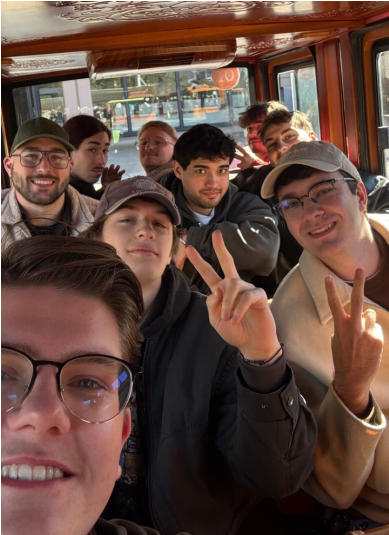
I learned that innovation is not only about technology, but about perspective. It is about transforming challenges into opportunities, about honoring heritage while building the future, and about designing systems that include communities rather than leaving them behind.
China surprised me, impressed me, and challenged my assumptions. And somewhere between the bamboo forests of Anji and the neon-lit labs of Robot Town, I realized that development is not a single path. It is a conversation between what we preserve and what we create next.
Source: Hangzhoufeel










 京公网安备11010802044359
Contact Us:86-10-58882453 86-10-58882413