
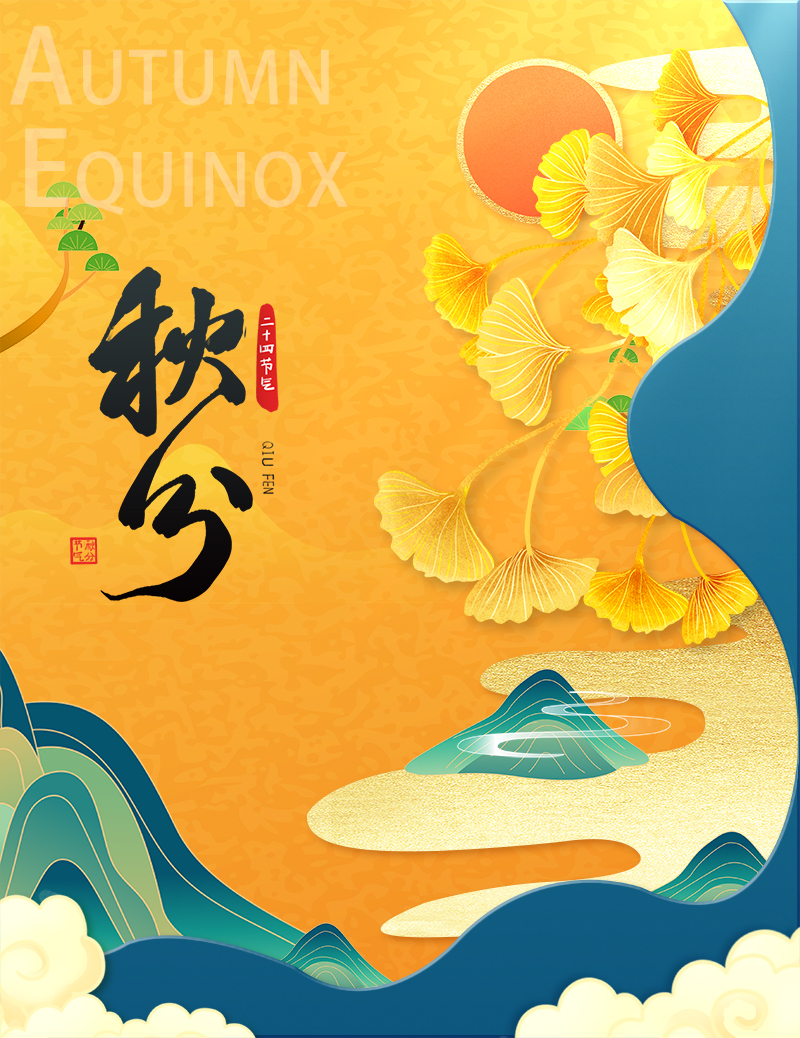
Autumn Equinox (Qiufen), the 16th solar term of the year, is the fourth solar term of autumn. It falls between September 22 and 24 each year when the sun reaches the celestial longitude of 180 degrees.
1. Astronomical and Calendar Significance
Autumn Equinox lies at the midpoint of autumn, dividing autumn into two equal parts. After this day, the location of direct sunlight moves to the south, making days shorter and nights longer in the Northern Hemisphere.
On this day, the sun almost directly shines at the Earth's equator, making the day and night equal in length across the globe, after which the sunlight's direct position gradually moves southward, and the days become shorter while the nights become longer in the Northern Hemisphere.
As recorded in the ancient book The Detailed Records of the Spring and Autumn Period (《春秋繁露》, 770-476 BC): "It is on Autumn Equinox day that the Yin and Yang are in a balance of power. Thus the day and night are of equal length, and so are the cold and hot weather".
The name "Qiufen" has a dual meaning. As recorded in The Moon Order and Seventy-two Phenological Signs (《月令七十二候集解》): "Fen means half. This is at the halfway point of ninety days, hence it is called Fen".
2. Three Phenological Phases
Ancient Chinese people divided Autumn Equinox into three phenological periods:
- First phase: Thunder begins to cease. The ancients believed that thunder occurred because of the flourishing of Yang energy, and after Autumn Equinox, Yin energy begins to prevail, so there is no more thunder, marking the end of summer heat and the beginning of autumn cold.
- Second phase: Insects begin to seal their burrows. As the weather turns cold, hibernating insects start to retreat into their holes and seal the entrances with fine soil to protect against the cold.
- Third phase: Water begins to dry up. Due to the dry weather and rapid evaporation, lakes and rivers decrease in water volume, and some marshes and puddles become dry.
3. Agricultural Importance
Autumn Equinox is a critical period for the "Three Autumns"— autumn harvest, autumn plowing, and autumn sowing — across most of China. In the north, winter wheat planting is underway, while in the south, late rice harvesting is in full swing.
As the farming proverb goes: "White Dew is too early, Cold Dew is too late; Autumn Equinox is just right for planting wheat" .
4. Traditional Customs
-
Sacrificing to the Moon
Originally, the festival of sacrificing to the moon was set on Autumn Equinox day. According to historical records, as early as the Zhou Dynasty (c. 11th century–256 BC), the ancient kings by custom sacrificed to the sun on the Spring Equinox and to the moon on the Autumn Equinox. But since it is not a fixed day in lunar August, there might be no full moon on Autumn Equinox. Thus, the day was changed to the Mid-Autumn Day. -
Standing Eggs on End
On Autumn Equinox day, thousands of people around the world try to make eggs stand on end. This Chinese custom has become the world's game. According to experts, on the Spring Equinox and Autumn Equinox, the earth's axis is in a relatively balanced position in relation to its orbit around the sun, making it a conducive time for standing eggs on end. -
Eating Qiucai
In South China, there is a custom popularly known as "having Qiucai (an autumn vegetable) on the Autumn Equinox day." Qiucai is a kind of wild amaranth. Every Autumn Equinox day, villagers go to pick Qiucai in the wild. It is then made into soup with fish, called "Qiutang" (autumn soup). There is a verse about the soup: "Drink the soup to clear the liver and intestines, thus the whole family will be safe and healthy". -
Sending Autumn Ox Pictures
In some regions, people go door to door on Autumn Equinox day to deliver the "Autumn Ox Picture", which is printed with the 24 solar terms of the year and patterns of farmers plowing fields, while saying auspicious words about autumn plowing and following the farming seasons. -
Flying Kites
Autumn Equinox is also a good time for flying kites, especially for children. The kites are mostly small ones suitable for children to play with, while adults may make larger ones and compete to see whose kite flies higher. -
Other Seasonal Activities
This is the season for eating crab, which helps nourish the marrow and clear heat inside the body. It is also the time to enjoy the fragrance of osmanthus and the beauty of chrysanthemums in full bloom.
5. Chinese Farmers' Harvest Festival
Approved by the CPC Central Committee and the State Council, since 2018, the annual Autumn Equinox has been designated as the "Chinese Farmers' Harvest Festival" — the first national-level festival specifically created for farmers.
The choice of Autumn Equinox is by no means coincidental. It comprehensively considers factors such as climate, farming, and cultural heritage, respecting natural rhythms while aligning with farmers' emotions. Autumn Equinox serves as the "golden intersection" of climate and farming, harvest and sowing.
As the farming proverb goes: "After White Dew and Autumn Equinox, farming is busy" .
6. Cultural Significance
Autumn Equinox is a time full of poetic charm. As the Song Dynasty poet Xie Yi wrote: "Golden autumn equinox, wind clear and dew cold, autumn period half. Cold moon light full, osmanthus fragrance far"
The 24 solar terms, praised as "China's fifth great invention," reflect the ancient Chinese people's precise grasp of natural nodes and represent one of China's important contributions to human science.
Autumn Equinox is the beauty of balance written by heaven and earth. It reminds us that in our busy lives, we should also slow down in time — half for reflection and gratitude for the past, and half for hope and growth in the future.
Source: People's Daily / China Daily / China Meteorological Administration / Xinhua News Agency
Events
More+-
Vienna Sound Symphony Orchestra 2027 Jiangyin New Year's Concert
-
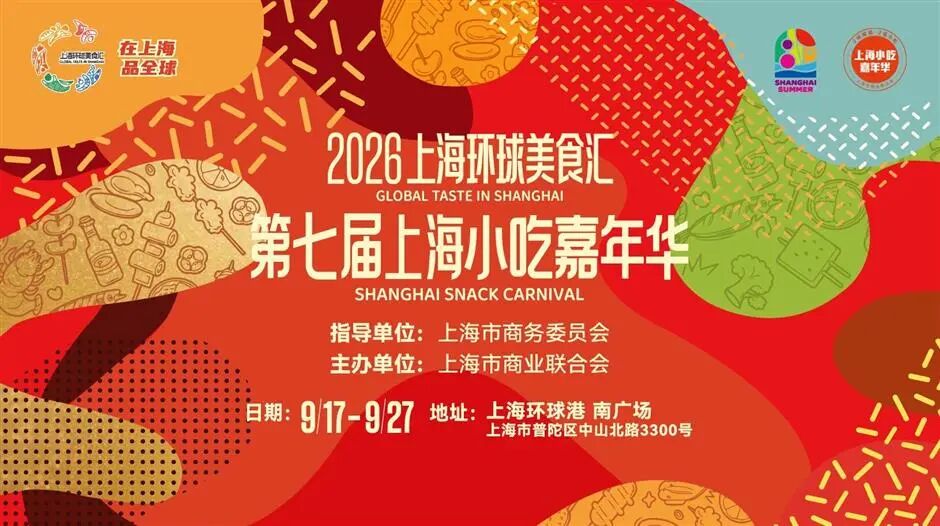
Shanghai Snack Carnival (Global Food Carnival)
-
Suzhou Creek Mid-Autumn Cruises: Limited-time cruises on the Suzhou Creek
-
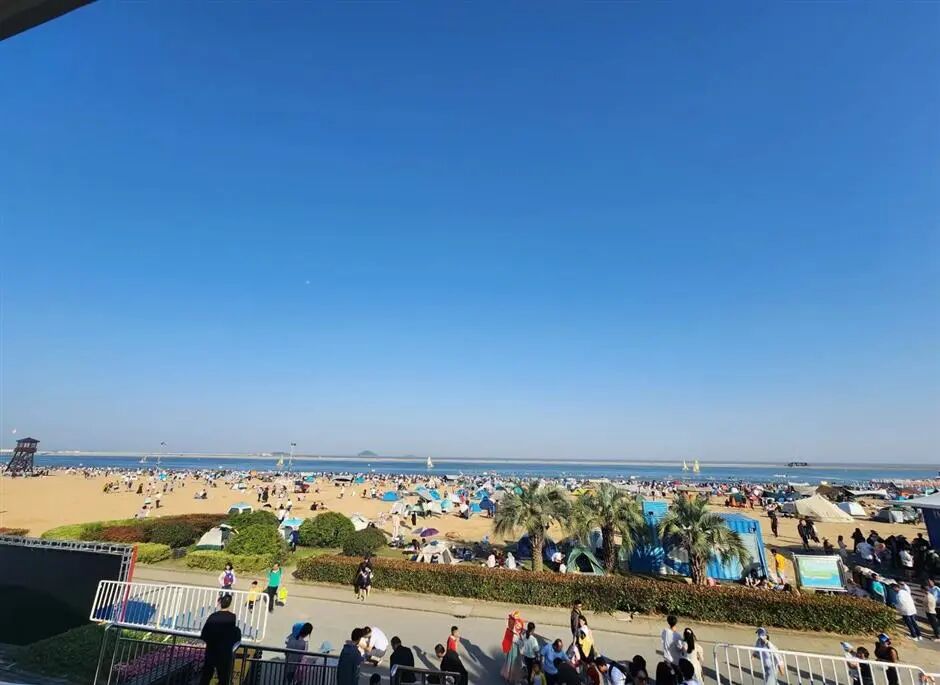
Sea Rises with the Moon at Jinshan City Beach Mid-Autumn Festival Carnival
-
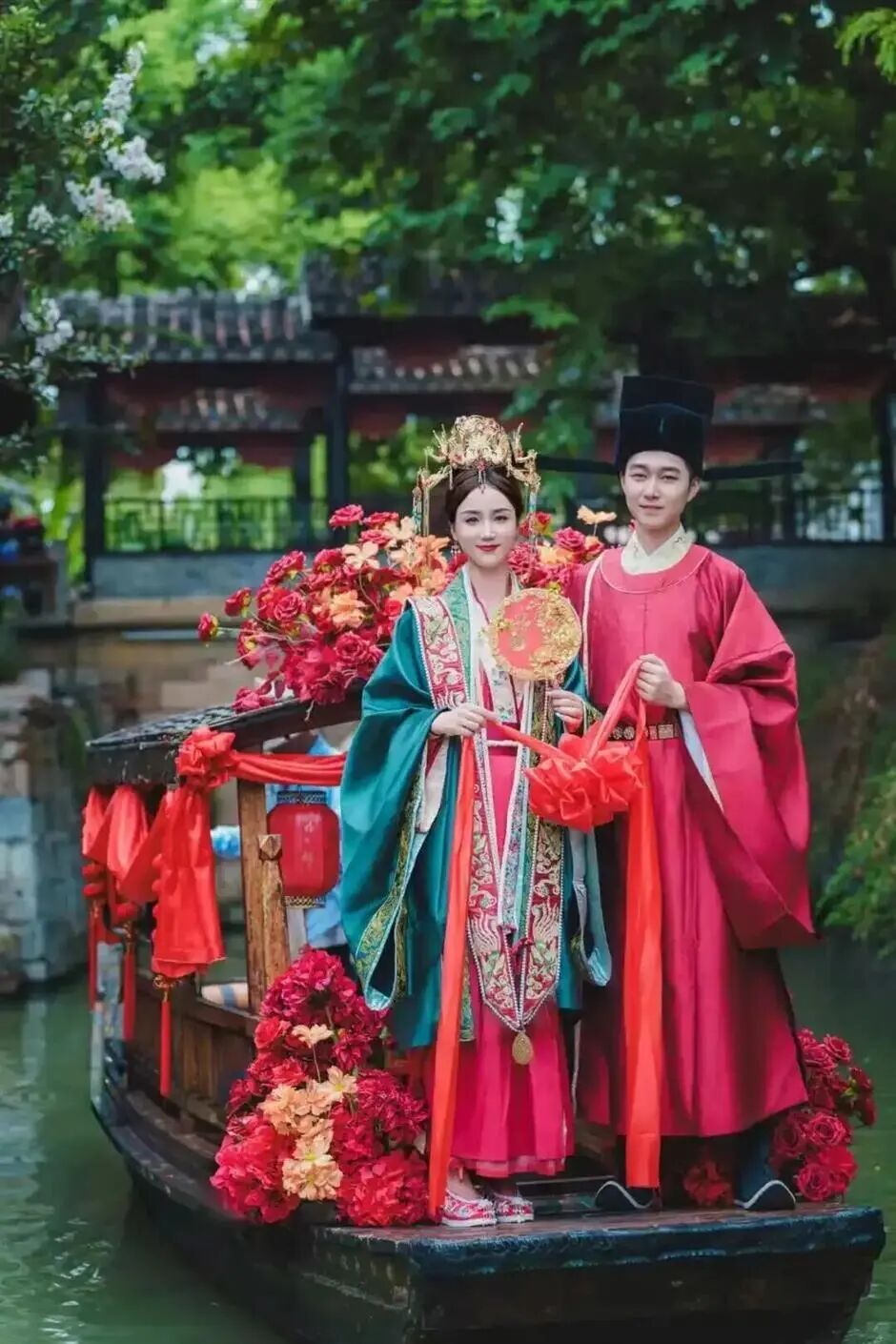
The 20th Wu Gen Yue Jiao Fengjing Water Town Wedding Festival
Discover







 京公网安备11010802044359
Contact Us:86-10-58882453 86-10-58882413