
Field visit to Unitree Robotics: exploring the future of intelligent robotics as an AI student
Sep 01, 2026
HangzhouComing from a cross-cultural family with an Afghan father and a Turkish mother, I grew up residing in Abu Dhabi, United Arab Emirates. Before pursuing my undergraduate studies in China, I was immersed in a multicultural environment where I witnessed the rapid digital transformation of Middle Eastern societies yet noticed a relative gap in advanced robotics research and industrial applications in the region. Currently, as a second-year AI major at Zhejiang University of Science and Technology, I focus on intelligent algorithms, embedded system development, and robotic practical innovation. This corporate field visit to Unitree Robotics offered me a precious opportunity to connect classroom AI theories with cutting-edge industrial practices, broadening my global vision of robotic technology development.
Artificial intelligence and robotics have become core driving forces of global technological revolution and industrial upgrading. As a leading domestic and global influential civilian robotics enterprise, Unitree Robotics specializes in the independent research and development, production and sales of high-performance general legged robots, humanoid robots and dexterous robotic arms. Founded in 2016 by Wang Xingxing, the company has developed competitive technologies and products in the field of quadruped robotics through independent R&D, and its products have been widely applied in commercial services, industrial inspection, scientific research and education scenarios. It has also appeared in major international events such as the Winter Olympics and the Hangzhou Asian Games, representing the leading level of China’s civilian robotics industry.
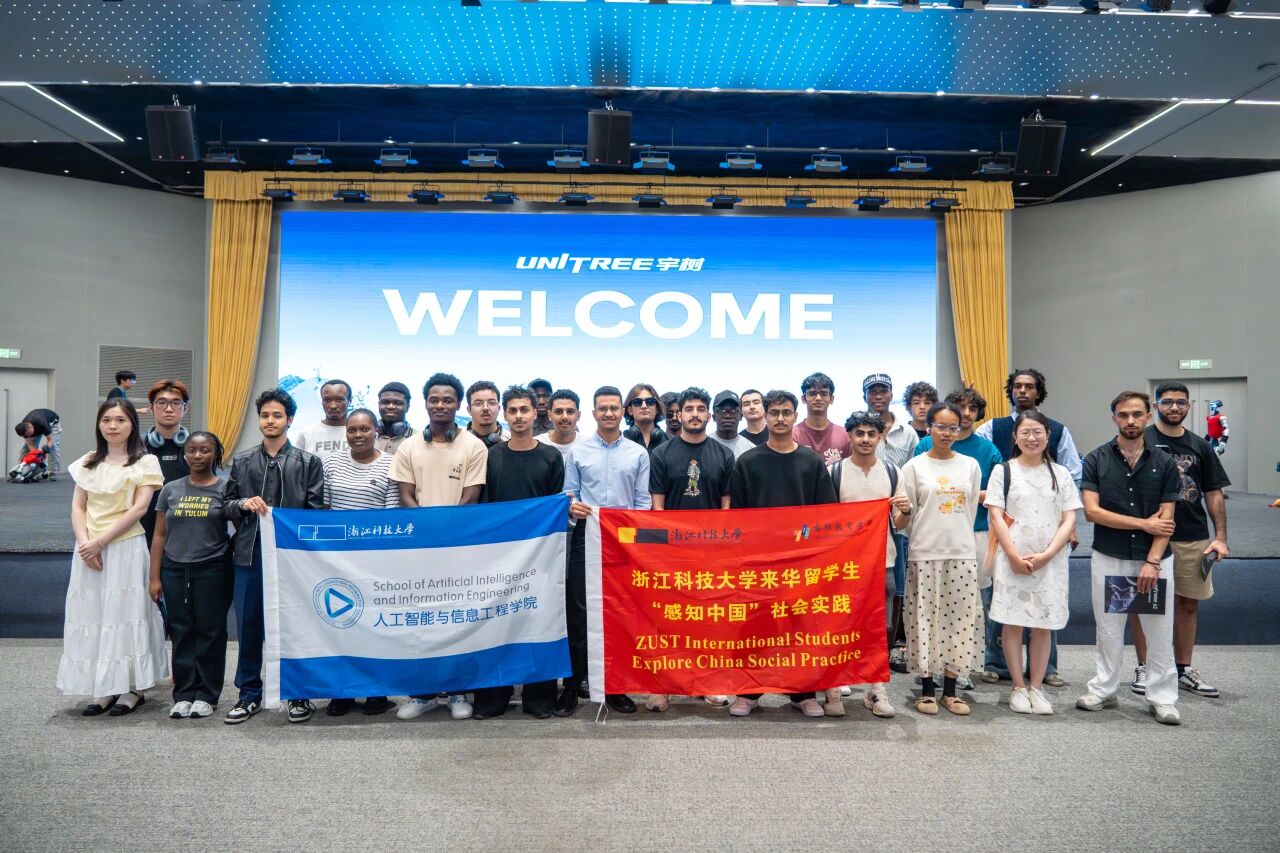
As a sophomore majoring in artificial intelligence, I have systematically learned basic knowledge of machine learning, embedded development and intelligent control in campus courses. However, classroom teaching is mostly limited to theoretical frameworks and basic simulation experiments. To bridge the gap between academic learning and industrial practice, our college organized a special field visit to Unitree Robotics. Combining my cross-cultural growth experience and professional learning accumulation, this paper sorts out the technical advantages, industrial layout and innovative concepts of Unitree Robotics, analyzes the development gap of robotics technology in Middle Eastern regions, and summarizes personal insights and future learning plans, forming a practical research report based on real field investigation.
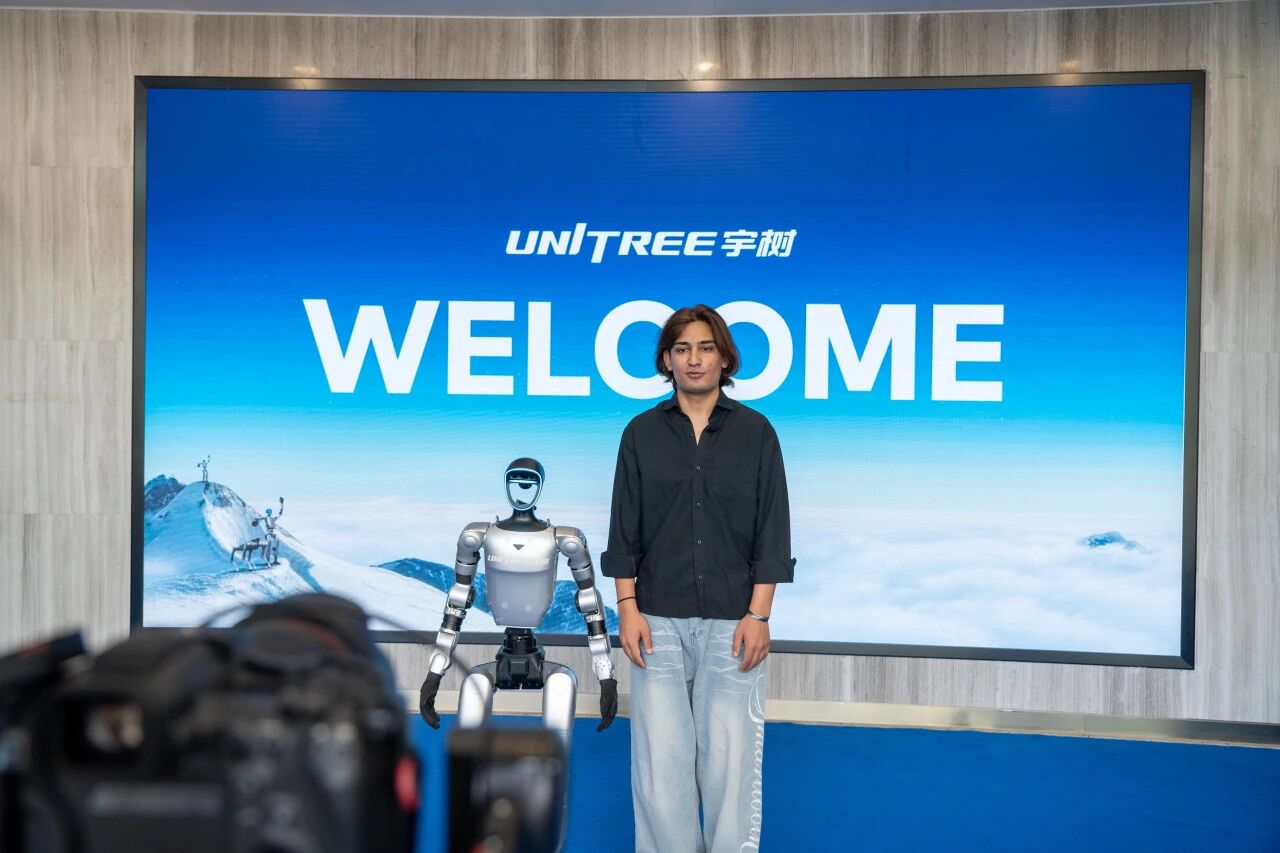
During the organized corporate excursion, we visited Unitree Robotics’ exhibition hall. The entire visit focused on the enterprise’s core product display, independent R&D system and industrial application scenarios, covering quadruped robot series, humanoid robot prototypes, self-developed core components and intelligent algorithm systems.
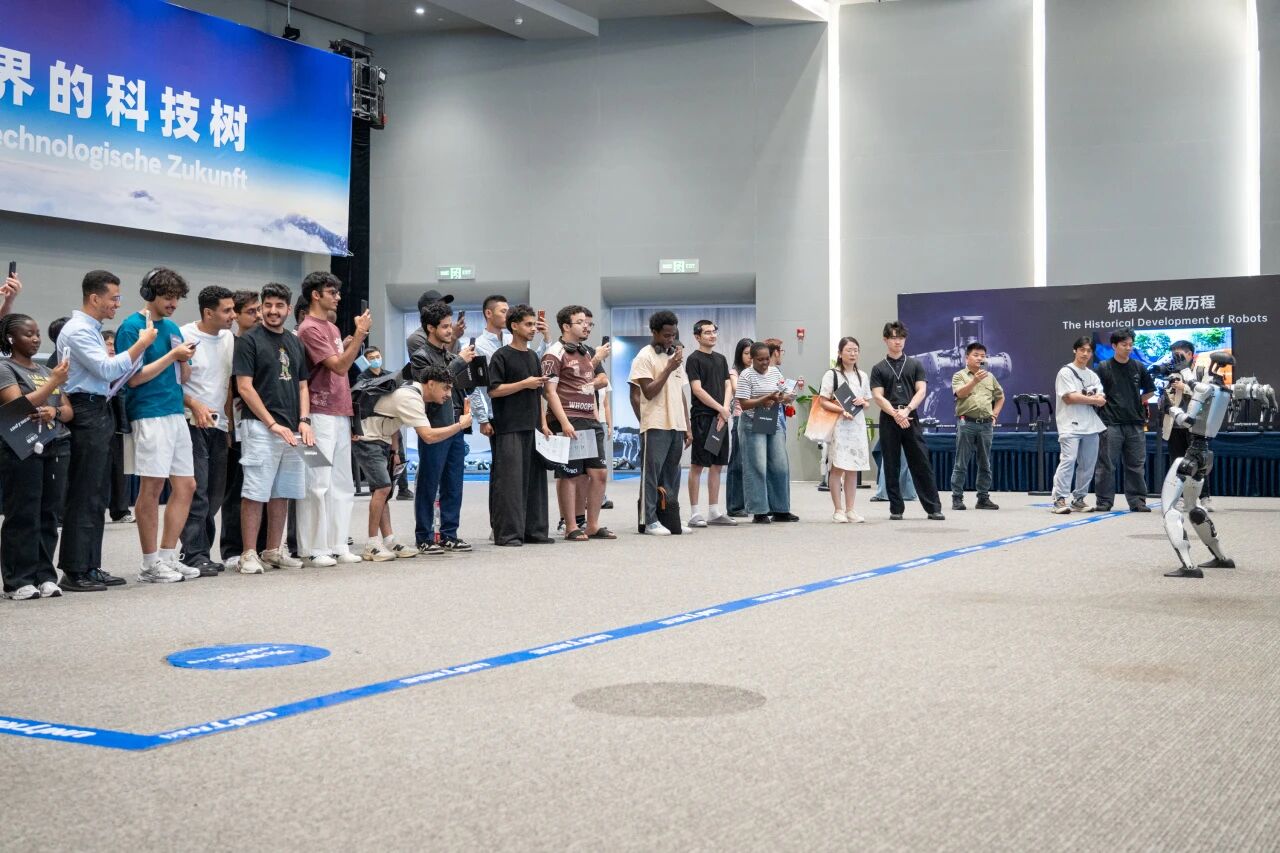
Different from the standardized robot products I have seen in Middle Eastern technology exhibitions, Unitree’s products feature high flexibility, low cost and strong autonomous adaptation, which perfectly balance civilian popularization and industrial professionalism.
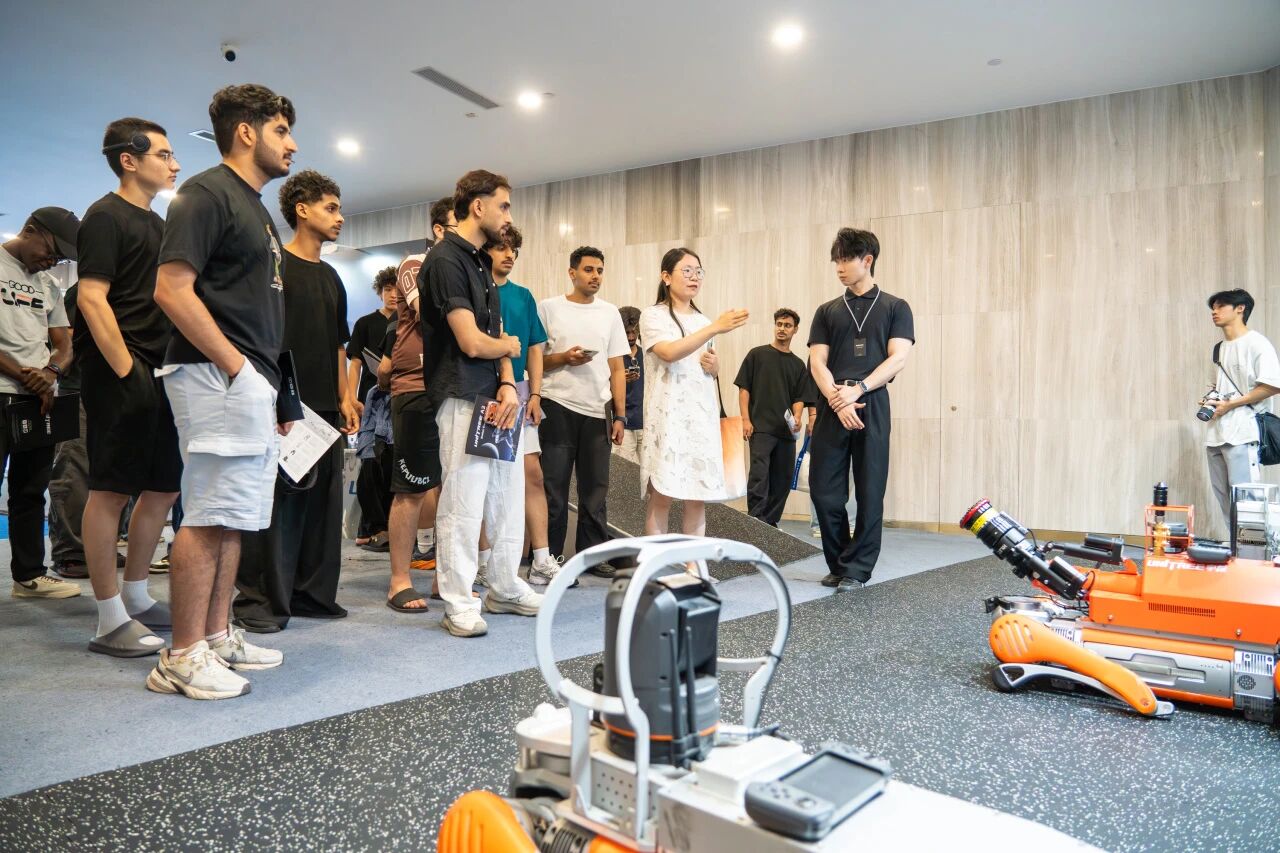
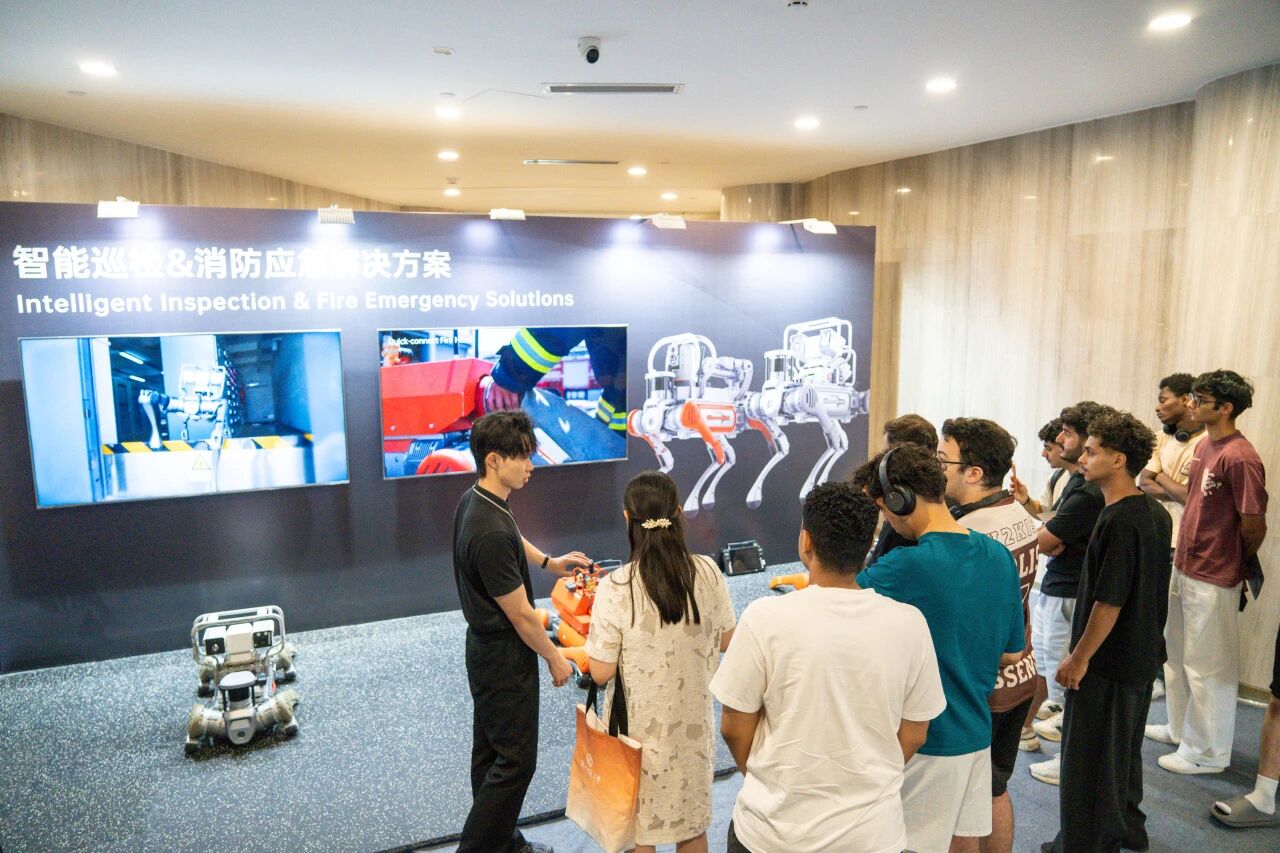
In the product exhibition area, we intuitively experienced the core performance of Unitree’s mainstream products including Go2 quadruped robot and B-series industrial robots. The staff demonstrated the robots’ autonomous obstacle avoidance, intelligent following, dynamic balance adjustment and multi-scene adaptive movement. Even on uneven ground and complex terrain, the robots could maintain stable operation, realizing flexible switching of walking, trotting and jumping actions. What impressed me most was that all core technologies of the robots, including high-torque motors, harmonic reducers, LiDAR perception sensors and motion control algorithms, are independently developed by Unitree’s technical team. This full-industry-chain independent R&D model completely subverted my previous cognition that robot manufacturing relies on imported core components.
Based on my growth experience in Abu Dhabi, I have formed a clear comparative understanding of the development of robotics industry in China and Middle Eastern countries. The Middle East region, represented by the UAE, has sufficient capital investment and advanced digital infrastructure, and actively promotes intelligent urban construction and digital transformation. However, the local robotics industry is still in the stage of equipment introduction and application promotion, lacking independent R&D capabilities and professional technical teams. Most intelligent robot products used in local commercial, municipal and educational scenarios rely on imports from Europe, America and China, with high procurement costs and insufficient localized technical iteration and service support.
In sharp contrast, Unitree Robotics represents the mature development model of China’s robotics industry: taking independent core technology as the foundation, combining market demand with technological innovation, and realizing the iterative upgrading of civilian and industrial robots at low cost and high efficiency. Different from the single equipment sales model of most international robotics enterprises, Unitree focuses on both technical research and industrial popularization. It not only masters top-level core technologies such as motion control algorithms and intelligent large models, but also launches cost-effective civilian products, realizing the popularization of high-end robotic technology. This model perfectly solves the pain points of high price and difficult popularization of intelligent robots in the global market.
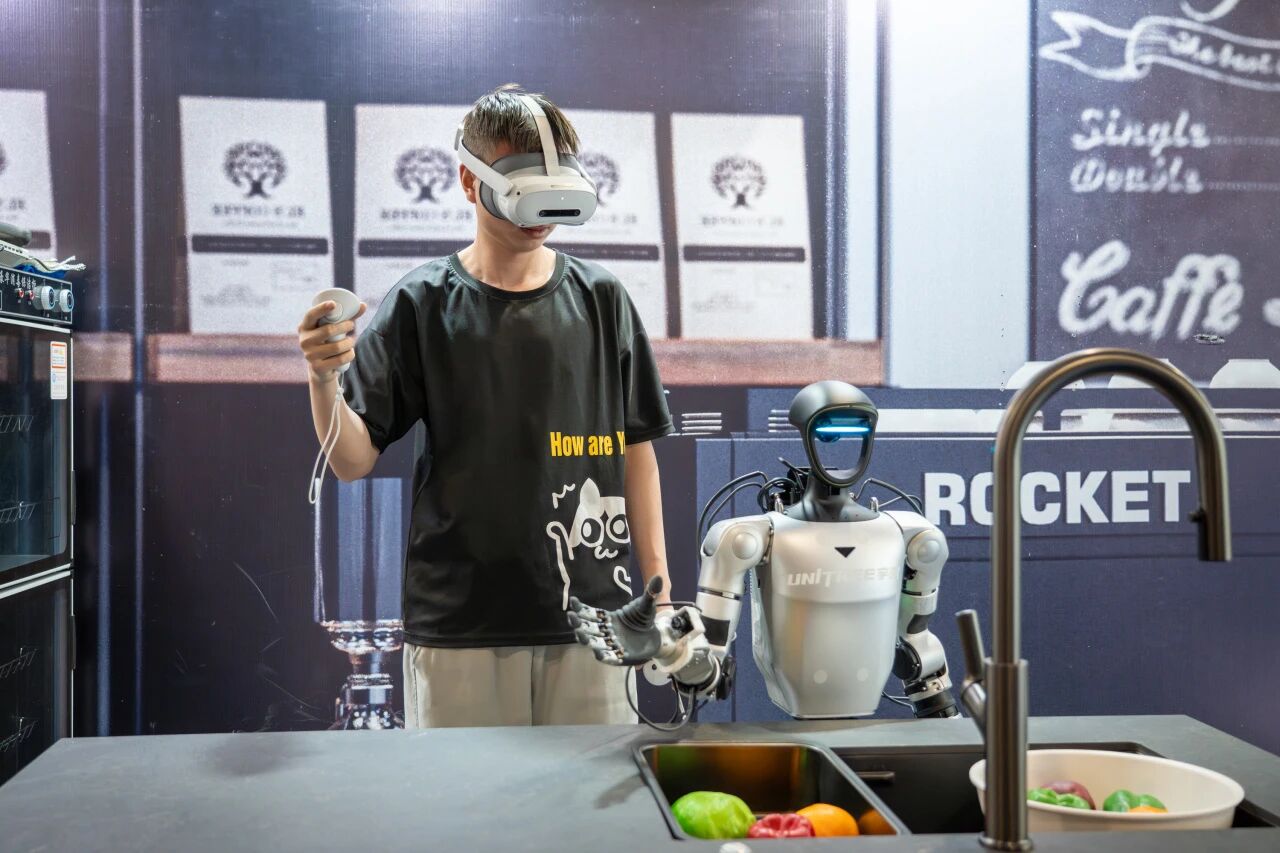
From the perspective of professional discipline development, Chinese universities and robotics enterprises have formed a benign interactive talent training mechanism. Unitree has long carried out school-enterprise cooperation with universities in Zhejiang Province, providing practical training platforms and technical guidance for college students’ innovative competitions and scientific research projects. As a student who has participated in school AI maker competitions and laboratory scientific research work, I deeply realize that this integration of industry and education is the key to cultivating practical AI talents. In contrast, the talent training system of robotics major in Middle Eastern universities is relatively backward, lacking practical teaching links and enterprise cooperation channels, resulting in a serious shortage of local technical reserve talents.
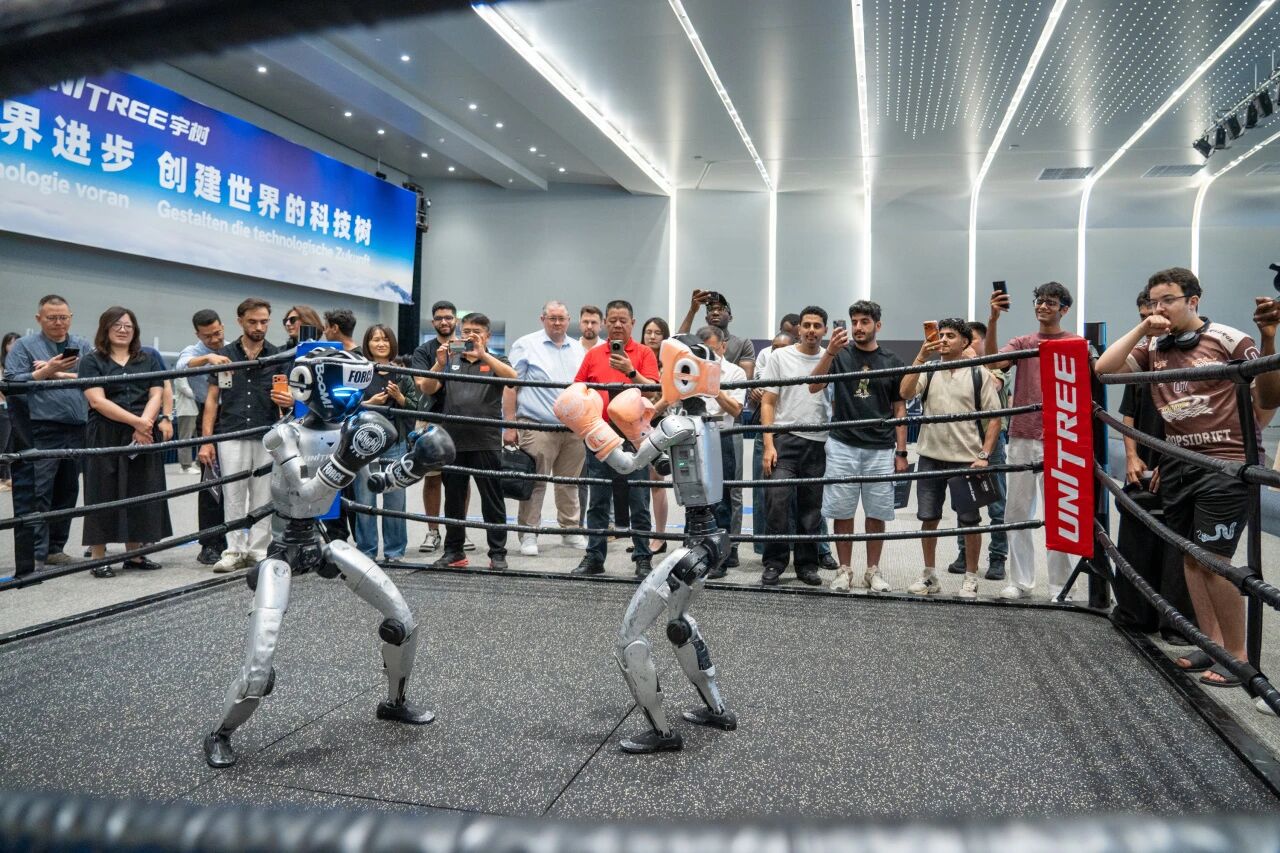
This field visit to Unitree Robotics is a valuable practical lesson for my AI professional study. In the past two years of campus study, I have been proficient in basic theoretical knowledge and simple embedded development operations, and have independently developed ESP32 zero-based introductory courses and participated in various AI innovation competitions. However, I have always lacked a systematic understanding of industrial-level robot R&D logic and product iteration thinking. Through this visit, I clearly recognized the essential difference between academic simulation research and industrial practical research.
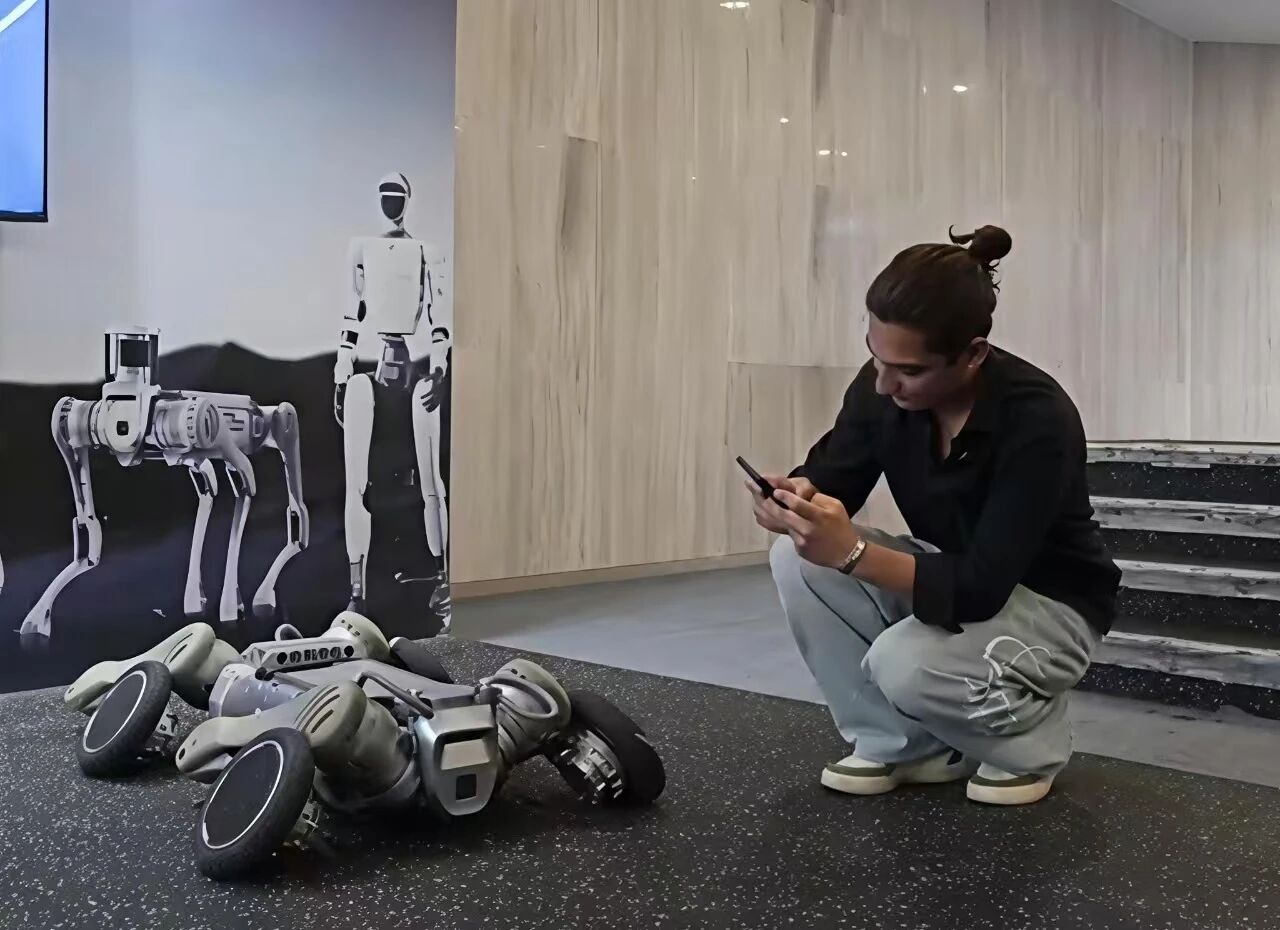
First, technological self-reliance is the core competitiveness of intelligent manufacturing. Unitree’s success stems from its long-term adherence to independent research and development of core components and algorithms, rather than simple assembly and integration. This makes me understand that as an AI major, we should not only master the application of existing algorithms and hardware equipment, but also focus on in-depth exploration of underlying principles, continuously exercise independent research and development capabilities, and lay a foundation for addressing through technical bottlenecks in the future.
Second, technological innovation must be rooted in market demand. Unitree’s robotic products cover multiple scenarios such as civilian entertainment, industrial inspection, educational scientific research and emergency rescue. Each product iteration is based on actual market pain points and user needs, realizing the perfect integration of technological innovation and industrial value. This tells me that AI technology is not empty theoretical research, but needs to serve social development and solve practical problems. In my future academic research and innovative competitions, I will pay more attention to the combination of technological innovation and practical application.
Third, cross-cultural perspective brings unique innovative thinking. As an international student with Afghan and Turkish cross-cultural background, I have observed the differences in technological development and market demand between China and Middle Eastern countries. The mature low-cost and high-performance robotic technology of Chinese enterprises has great promotion potential in the Middle Eastern market. In the future, I hope to take my professional knowledge as a bridge to promote the exchange and cooperation of intelligent robotics technology between China and the region, and help the local intelligent industry develop.
The field visit to Unitree Robotics has broadened my professional vision, corrected my learning cognition, and made me more clear about the development direction of artificial intelligence and robotics majors. Unitree’s persistent innovation in core technology, rigorous industrial research and development logic and down-to-earth market orientation have set a valuable example for young AI learners. Through comparative analysis, I also clearly realize the development gaps of global regional robotics industries and the important value of technological exchange and talent training.
Source: Hangzhoufeel













 京公网安备11010802044359
Contact Us:86-10-58882453 86-10-58882413