
Shanghai's custom tailoring services are gaining growing appeal. That appeal was highlighted when Tamara Vucic, wife of Serbian President Aleksandar Vucic, visited the South Bund Soft-Spinning Material Market and bought several tailored pieces — including a qipao , the classic form-fitting Chinese dress with a high collar and side slits. Her visit showed how fabric selection, handwork, and personal fittings turn shopping into a cultural experience.
Shanghai's long-standing made-to-measure tradition has kept qipao evolving while rooted in local style. Beyond the South Bund market, the city boasts numerous qipao studios keeping the traditional craftsmanship alive while adapting the iconic dress for modern life. Here are some places to explore.
China Chapter
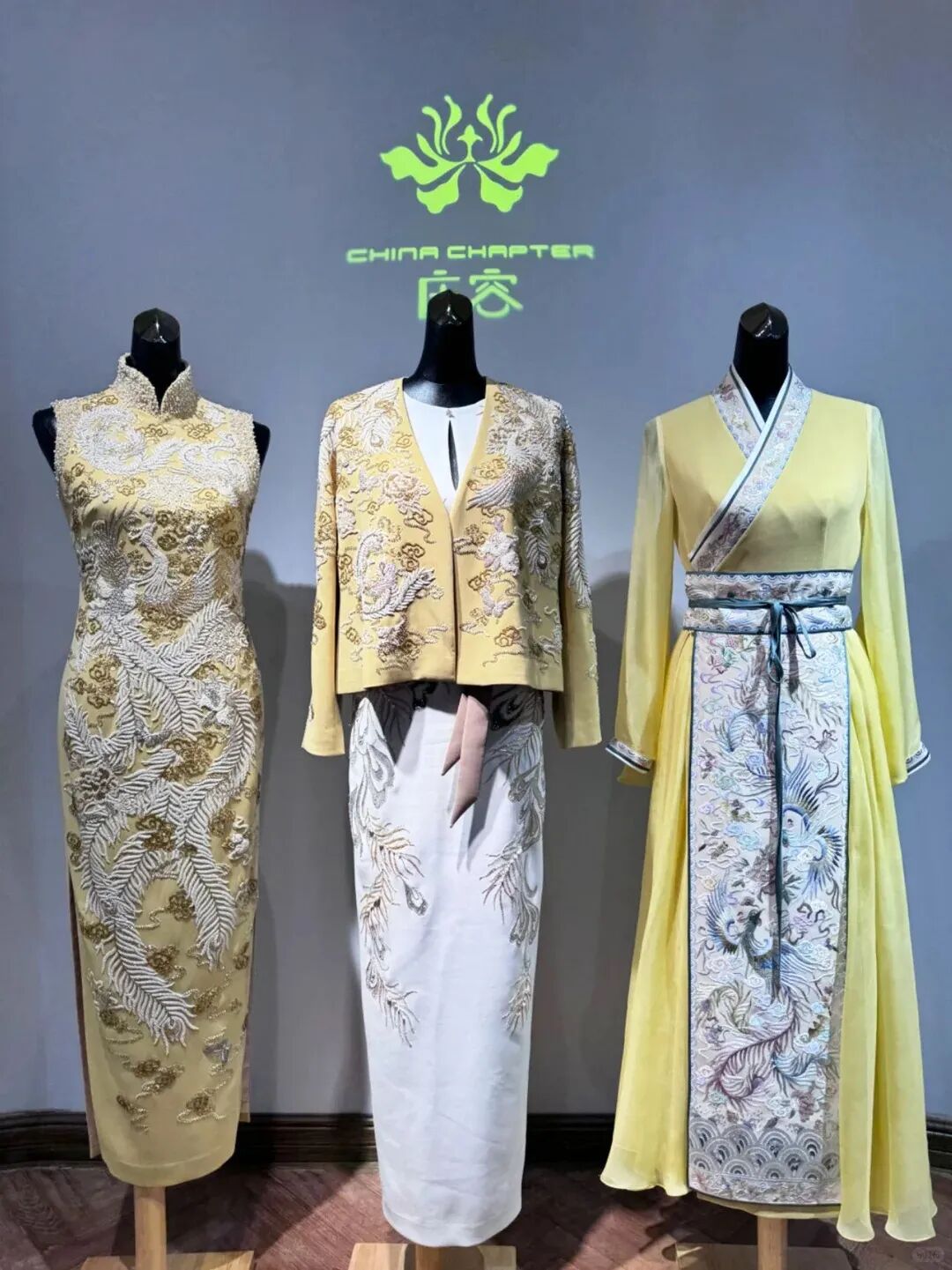
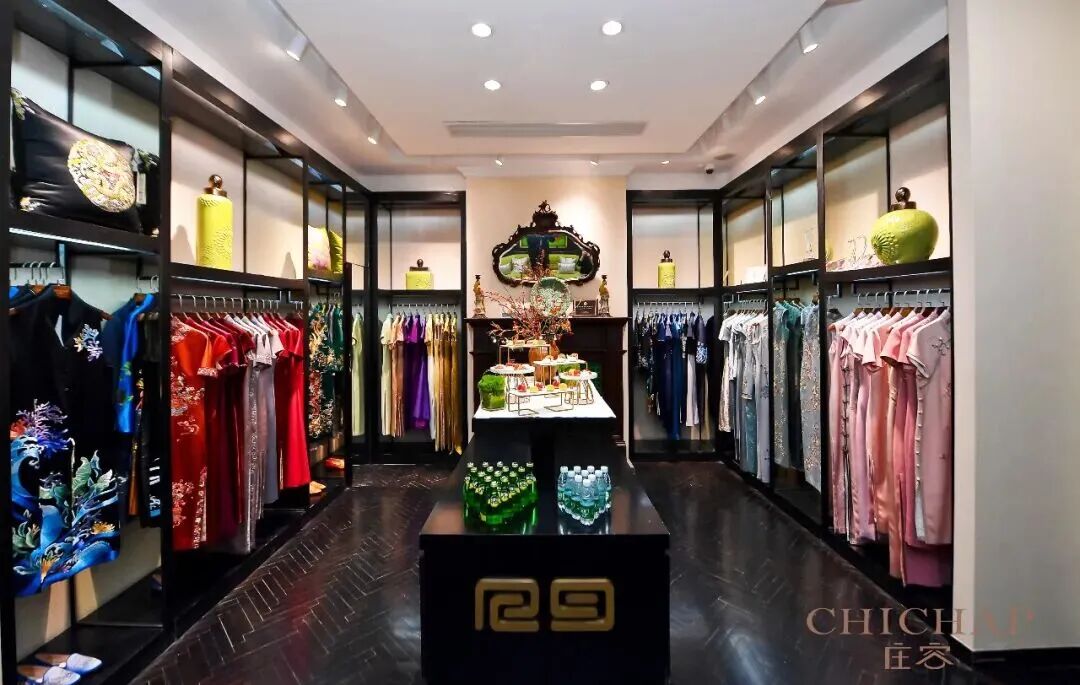
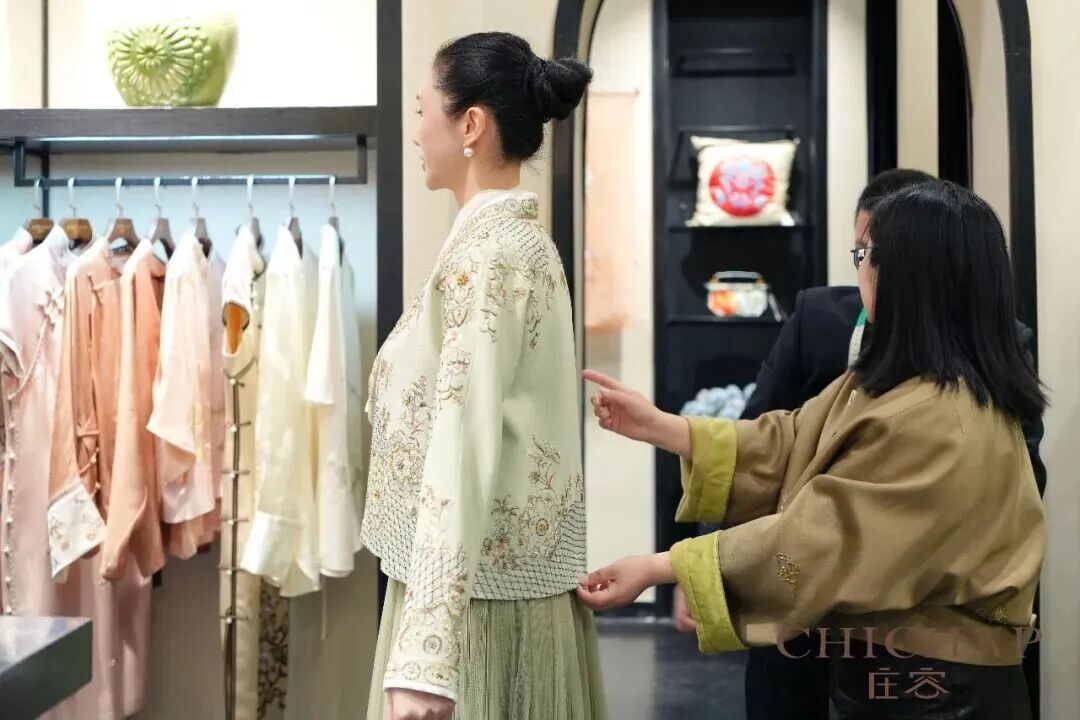
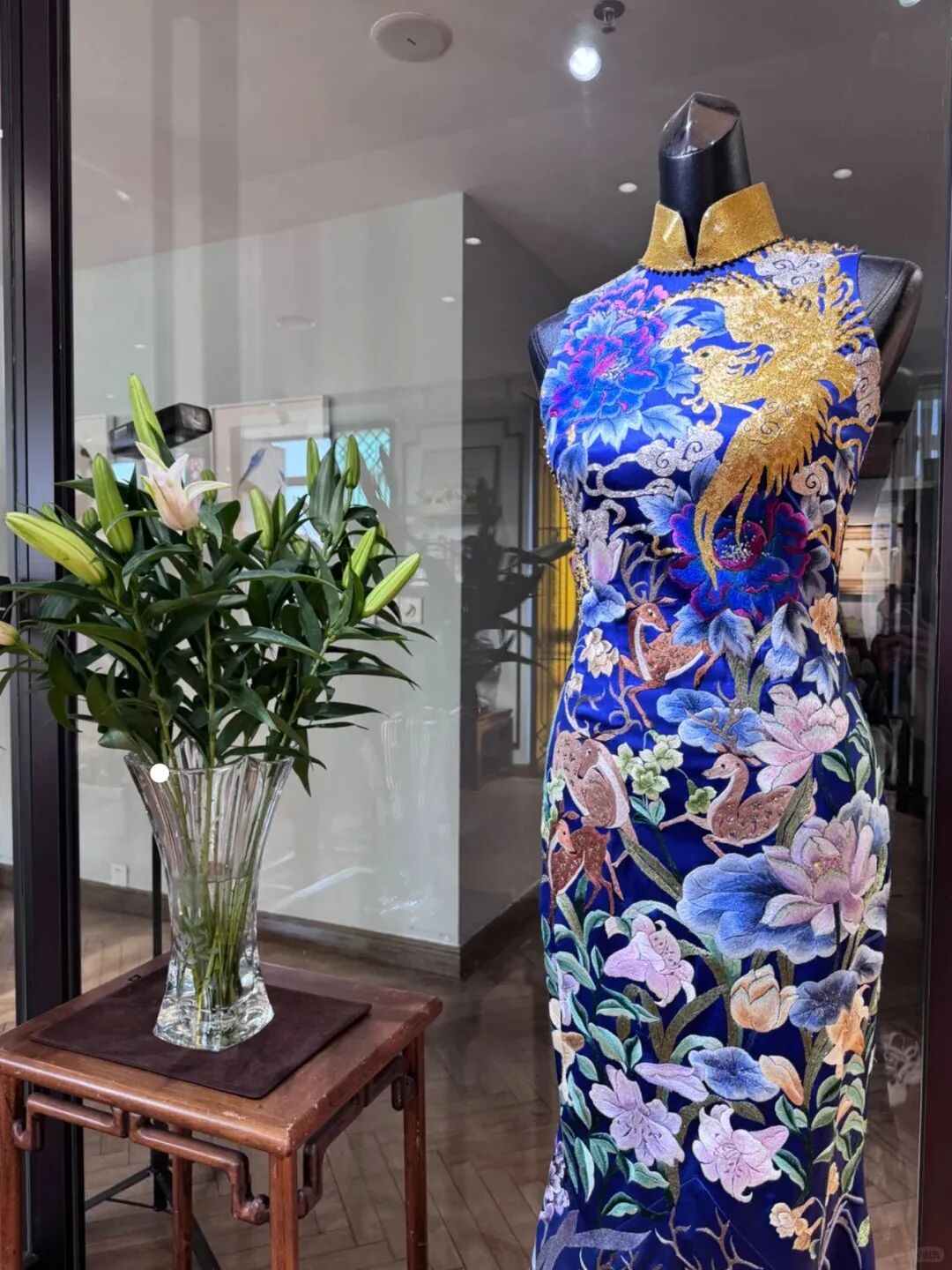
Founded in 2006, China Chapter focuses on Shanghai-style qipao through detailed handwork and refined tailoring. The brand uses premium fabrics and incorporates elements inspired by Chinese ink painting, classical patterns, and Dunhuang motifs. Its tailoring team applies more than 10 traditional techniques to create designs ranging from everyday qipao to contemporary Chinese formalwear.
Address: No 135 South Maoming Road, Huangpu district
Bowang Qipao
With nearly 30 years of experience in custom tailoring, Bowang Qipao blends the soft elegance of Shanghai style with the structured lines of Beijing style. Customers can choose from materials such as heavy silk, patterned brocade, and Xiangyunsha silk, with Suzhou embroidery and panjin (gold thread) embroidery available as decorative accents. Its "one person, one pattern" approach emphasizes precise fit and personalized adjustments, while its factory-direct model offers a relatively accessible option for custom qipao.
Address: Room 185, 1F, No 399 Lujiabang Road, Huangpu district
Jin Zhi Yu Ye
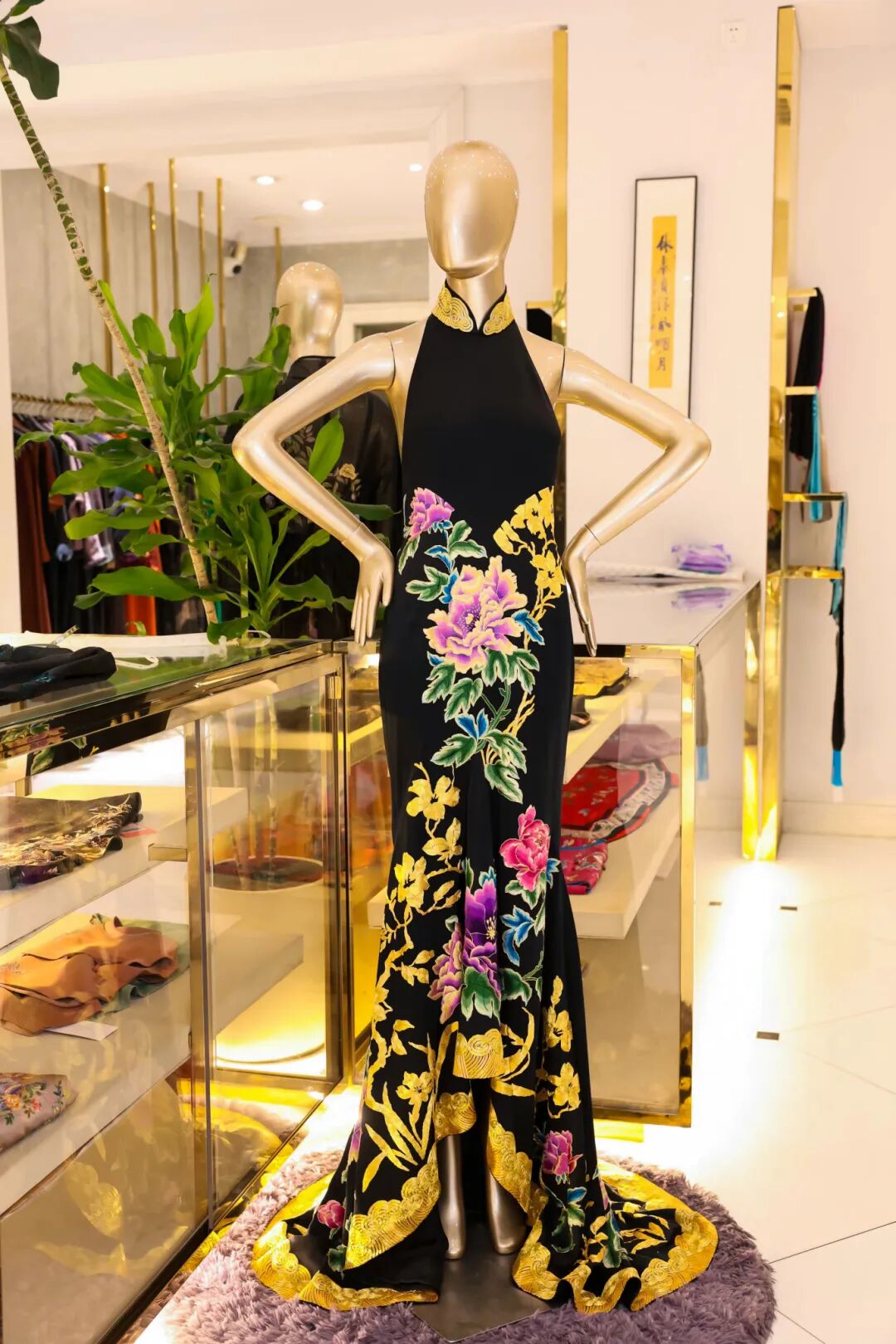
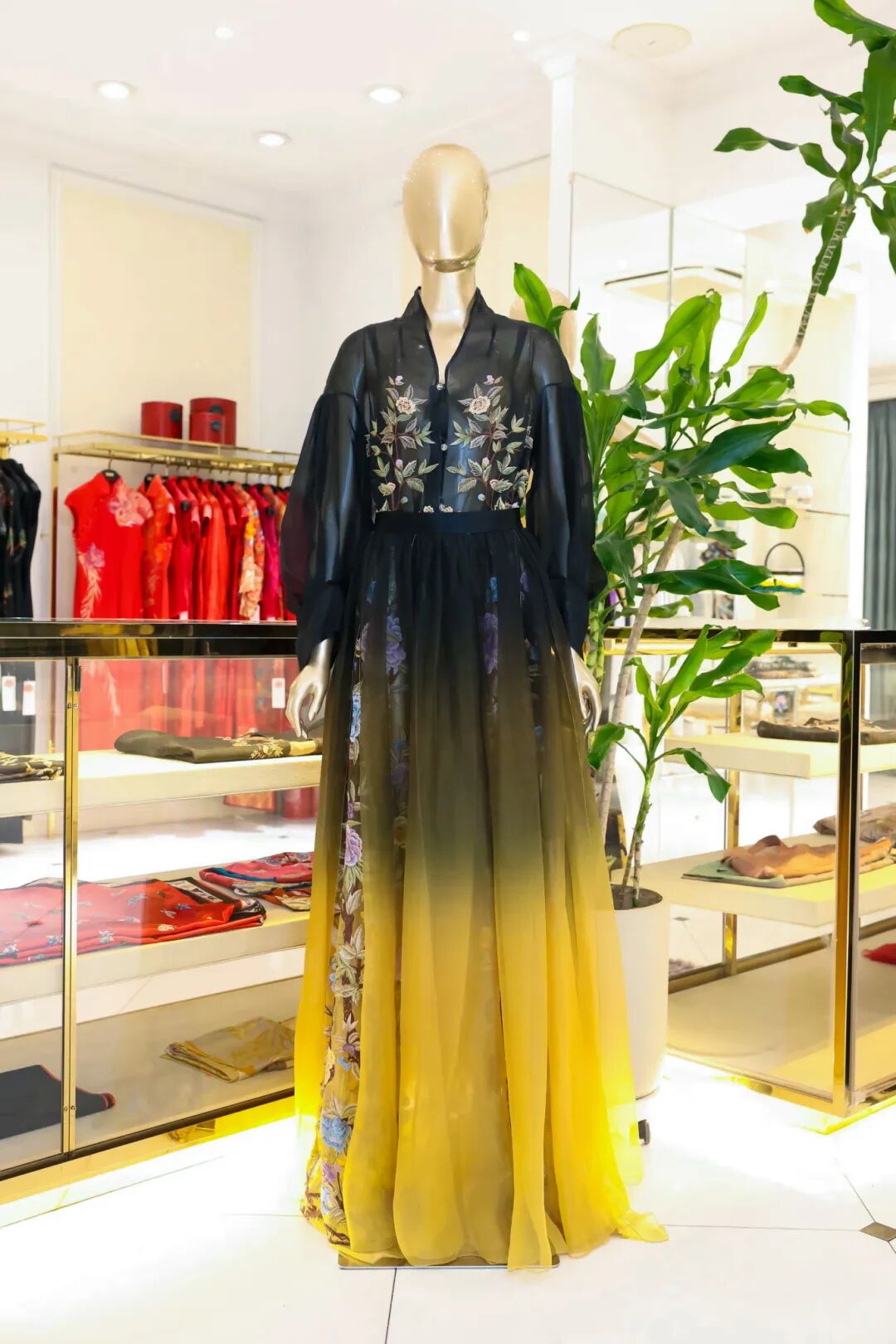
Established in Shanghai in 2001, Jin Zhi Yu Ye combines traditional Chinese aesthetics with contemporary fashion design. The brand retains classic motifs, colors, and silhouettes while introducing modern tailoring methods and updated styling. Hand embroidery adds decorative detail, while three-dimensional cutting improves comfort and mobility compared with more traditional qipao styles.
Address: No 70-1 South Maoming Road, Huangpu district
Longfeng Qipao
Longfeng Qipao traces its craftsmanship to the "Su-Guang" tradition of Chinese tailoring, a Shanghai garment-making tradition that combined techniques from Suzhou and Guangzhou. As one of Shanghai's most renowned qipao brands, Longfeng ensures that customers work with the same tailor throughout the journey, from fabric selection and measurements to cutting and production. In recent years, the brand has also introduced shorterdesigns without side slits, making them easier to wear in everyday settings.
Address: Nos 207-209 North Shaanxi Road, Jing'an district
Han Art
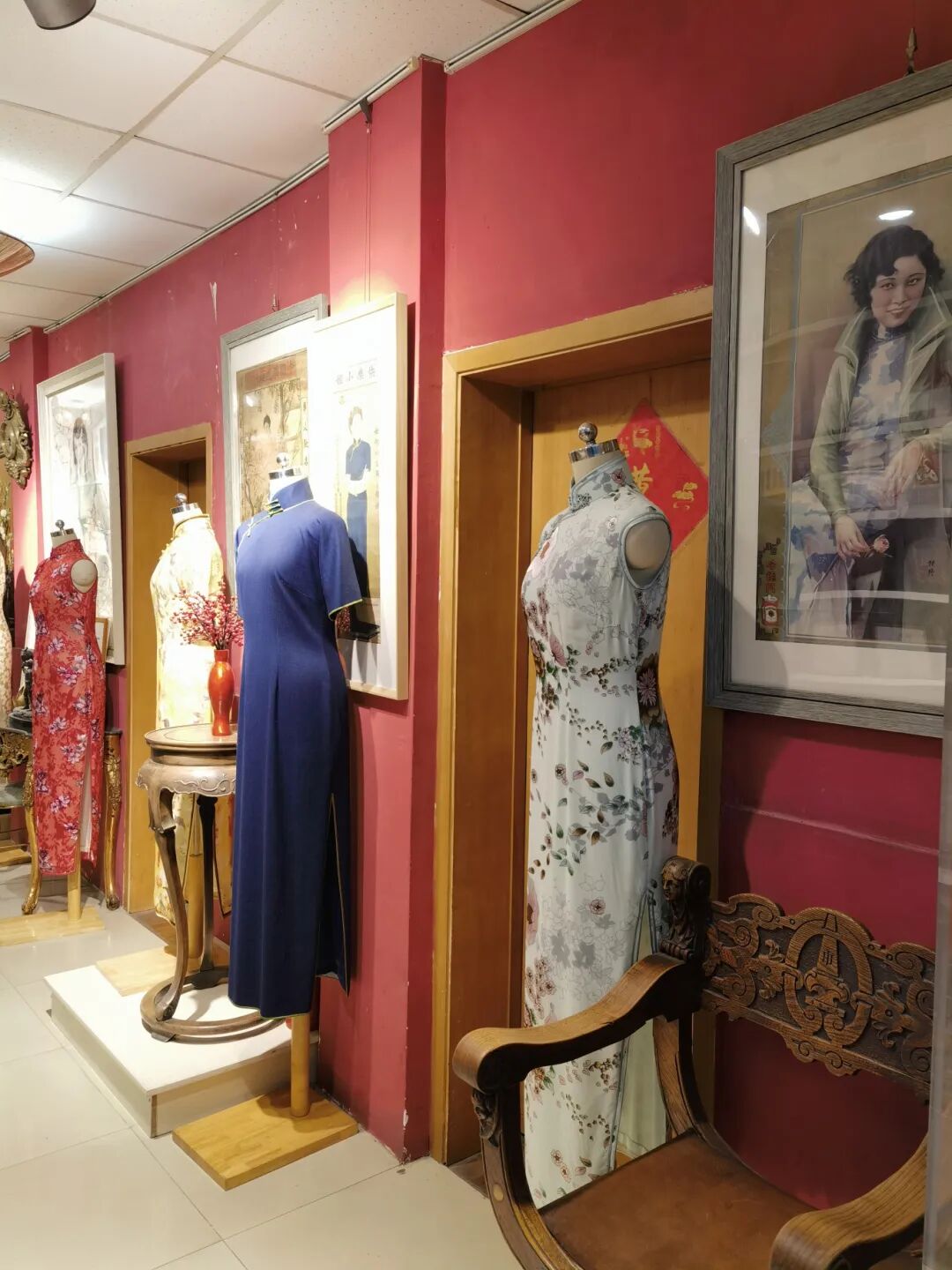
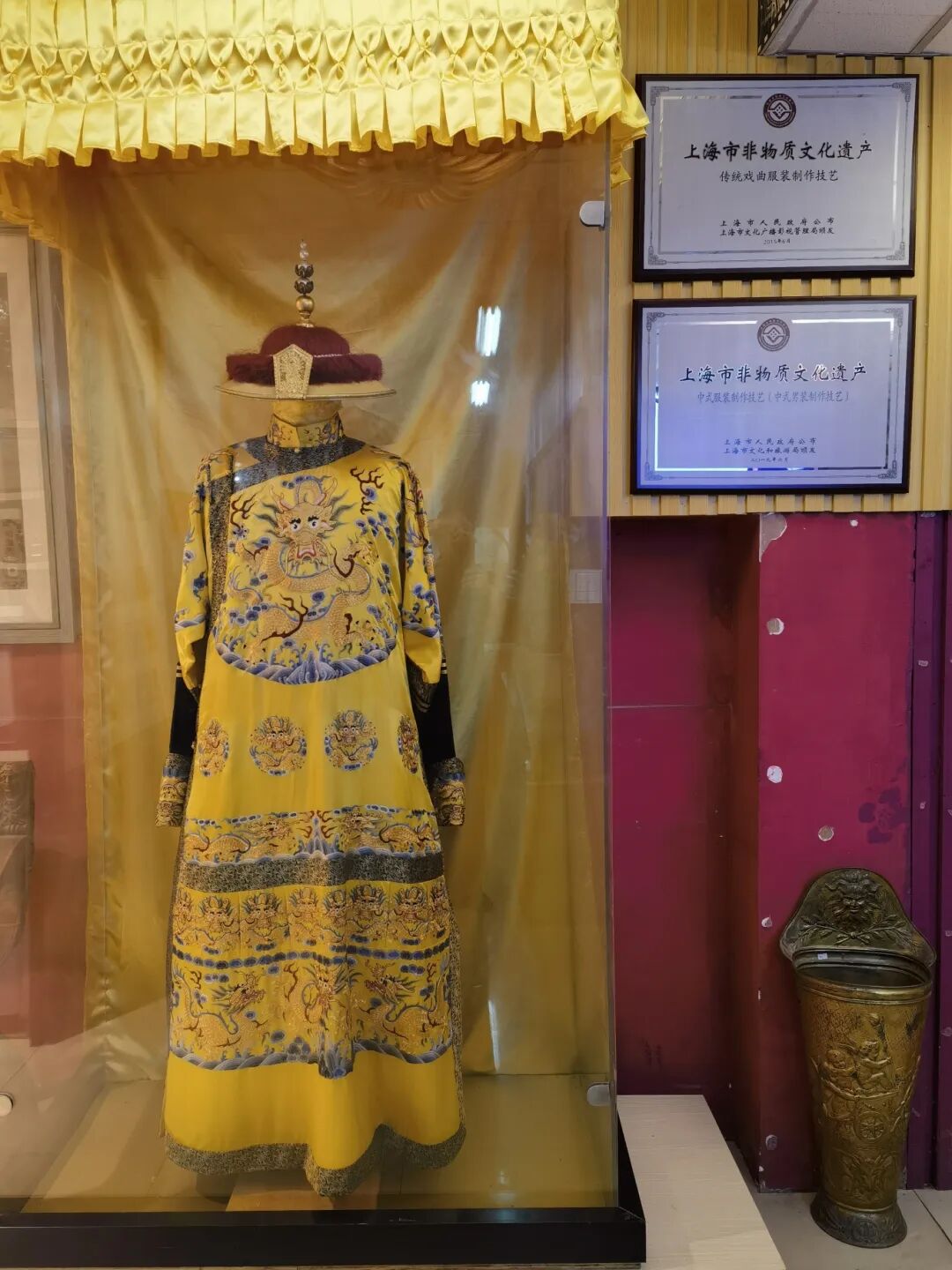
Han Art is known for combining imperial-style embroidery with high-end qipao tailoring. The studio expands the traditional four-step qipao-making process into 12 steps. Its designs focus on balancing daily wearability with traditional structure and craftsmanship.
Address: 1F, No 271 Anhua Road, Changning district
Renjian Yanhuo
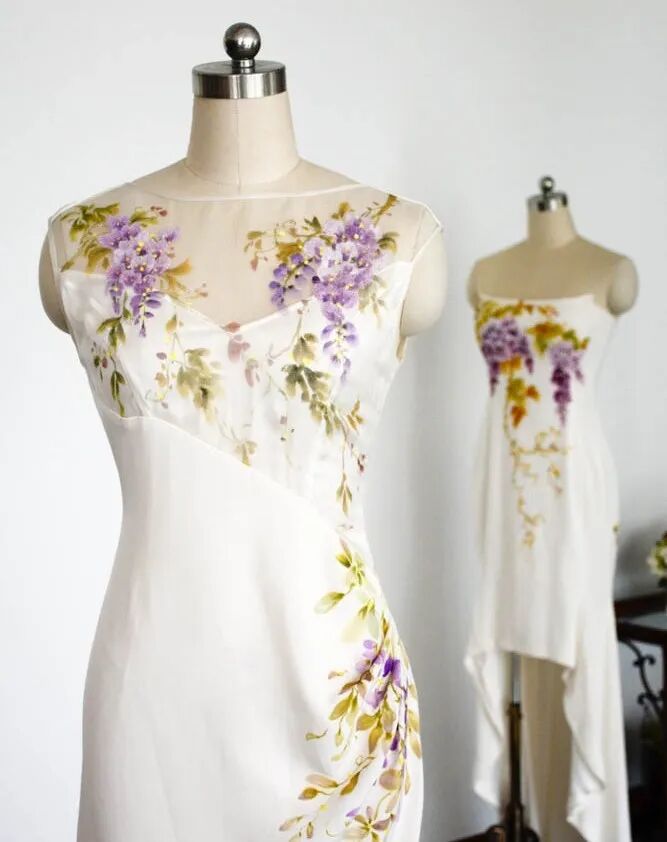
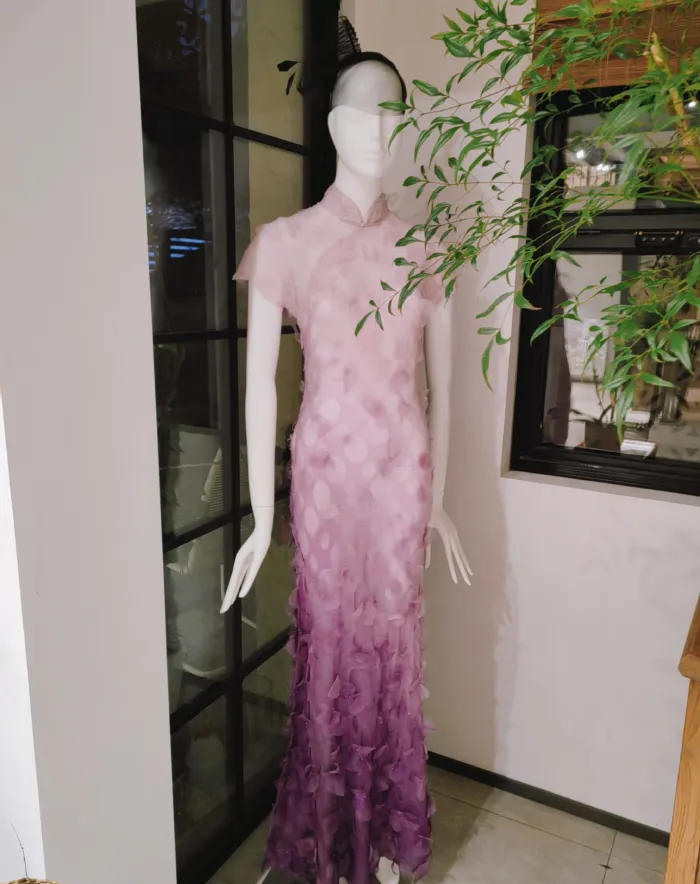
Located in a three-story historic townhouse, Renjian Yanhuo operates more like a private studio than a typical retail shop. Founded in 2007, the brand offers qipao, evening gowns, and modern Chinese-style clothing in a residential-style setting. Its designs combine traditional Chinese elements with a more relaxed and contemporary approach to dressing.
Address: No 2 Alley 693, Xinhua Road, Changning district
Manloulan
Manloulan is a long-running local brand specializing in Chinese-style clothing. The company opened a design center and atelier in Hongkou district in early April, where customers can receive one-on-one fittings and observe traditional craftsmanship techniques. The brand updates classic details through redesigned frog buttons, floral and cloud motifs, and combinations of Suzhou embroidery with French embroidery techniques and rhinestone embellishments.
Address: No 118 Feihong Road, Hongkou district
Jingbo Qinhan
The brand draws on national-level intangible cultural heritage techniques, such as Song brocade weaving, which originated during the Song Dynasty (960-1279). Careful tailoring, aligned patterns, and beadwork help create designs suitable for both daily wear and formal occasions.
Address: No 482 Alley 1210, Zhiding Road, Qingpu district
Source: Shanghai Municipal Commission of Commerce











 京公网安备11010802044359
Contact Us:86-10-58882453 86-10-58882413