
Wearing simultaneous interpretation headsets and holding bilingual reports in Chinese and English, they circled key points and exchanged thoughts from time to time... At the recent 2026 Hubei Provincial Two Sessions, over 30 foreign faces from countries and regions such as the United States, the United Kingdom, Russia, and Bangladesh stood out.
This marks the 15th consecutive year since 2012 that Hubei Province has invited foreign nationals to attend the government work report as observers. The open and transparent proceedings allowed the international friends to immerse themselves in the developmental pulse of the Hubei region, leaving them deeply impressed and full of expectations in areas such as the economy, people's livelihoods, culture, and cooperation.
Over the past year, Hubei's regional GDP exceeded 6 trillion yuan. Five pillar industries—optoelectronics, automotive manufacturing and services, health and wellness, modern chemicals, and agricultural product processing—have each grown to a scale of over one trillion yuan. The annual production of new energy vehicles reached 820,000 units... These impressive statistics and solid achievements left Dominic McAllister, British Consul General in Wuhan, in awe.
"If I had to describe Hubei in one word, it would be 'vibrant'," said McAllister. "Hubei's economic development is robust, with steady growth in both scale and industrial quality. Particularly in the fields of technology and green development, Hubei has delved deep into the entire new energy vehicle industry chain, forming a complete ecosystem from research and development to production. It has also actively built zero-carbon parks and green factories, achieving remarkable results in the race toward low-carbon development. These practical experiences, rooted in local industrial strengths, provide a vivid 'Hubei model' for global green transformation."
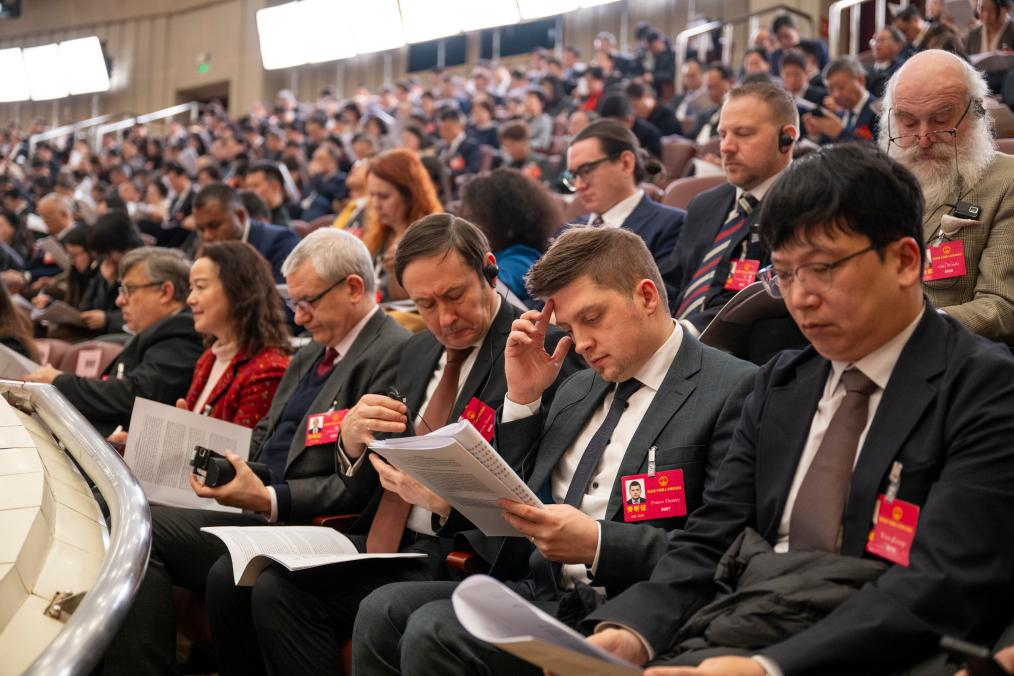
Ghalib, a Bangladeshi associate professor at the School of Marxism, Wuhan University of Technology, has long been dedicated to the study of grassroots governance and has profound insights into China's rural development. It was noted that in the government work report he was reading, the words "sense of fulfillment, happiness, and security" were specially marked.
"China places great emphasis on rural development, consolidating the achievements of poverty alleviation and comprehensively advancing rural revitalization through a series of policy measures," said Ghalib. "In recent years, many areas in Hubei have been expanding the 'tourism + industries' model, which not only drives rural development but also integrates farmers into the industrial chain through mechanisms linking agriculture with farmers, helping them increase their income and prosperity. China's practical efforts to ensure people live and work in peace and contentment are worthy of reference for Global South countries."
At this year's Two Sessions, cultural development was also a focus of attention among the foreign guests. Currently, Hubei is accelerating its efforts to become a world-renowned cultural and tourism destination, promoting the creative transformation and innovative development of Chu culture. In Shiyan, Hubei, the Wudang Mountain Tai Chi has become a shining emblem of Chu culture on the global stage. According to statistics, over 100 million people in more than 150 countries and regions practice Tai Chi, with Tai Chi organizations established in over 80 countries and regions. Approximately 30,000 foreigners visit Wudang Mountain each year to learn martial arts.
Jack Pinney, a "foreign Taoist priest" from the United States and a 16th-generation inheritor of the Wudang Sanfeng School, attended the Hubei Two Sessions as an observer for the first time. During a break, Jack performed a Wudang Tai Chi routine on the spot—each movement fluid and balanced, blending strength with grace—earning applause from the audience. Over 20 years ago, he became fascinated with Chinese martial arts and Tai Chi, eventually deciding to settle in Wudang Mountain to practice Tai Chi diligently and promote its culture.
"Tai Chi emphasizes the cultivation of both inner and outer strength, balance between movement and stillness. Its core value lies not only in physical fitness but also in conveying the philosophy of 'following the way of nature,' emphasizing harmony between humans and the natural environment. This aligns closely with China's efforts to promote sustainable development," said Jack. "The government work report mentioned supporting the protection and inheritance of Tai Chi as intangible cultural heritage. Such measures give us greater confidence in the preservation and development of Tai Chi culture."
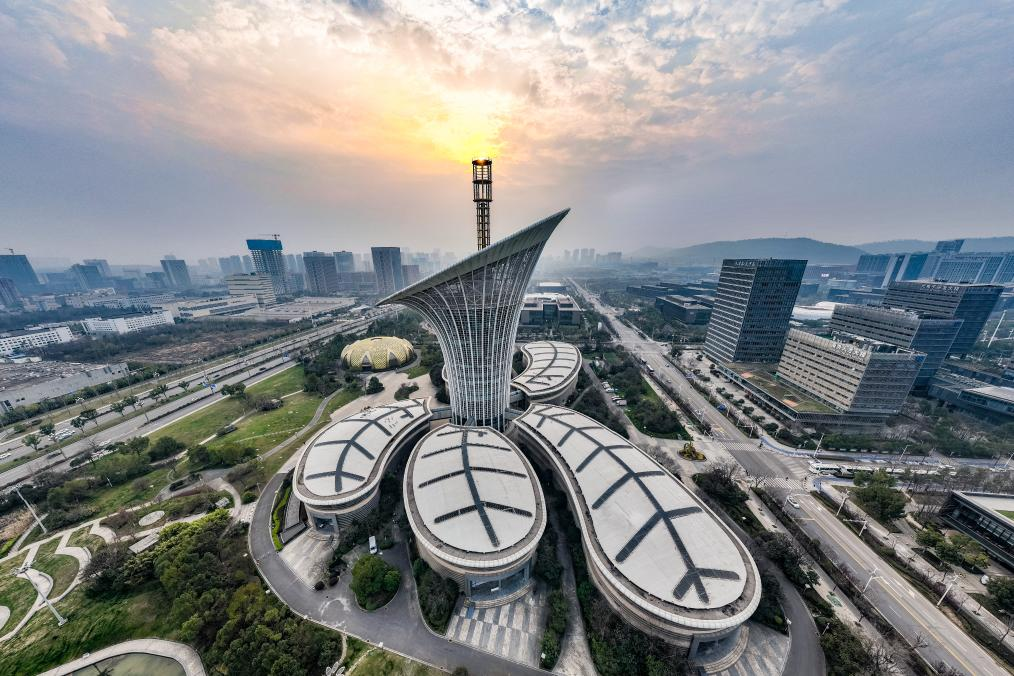
Source: Xinhuanet
Events
More+-
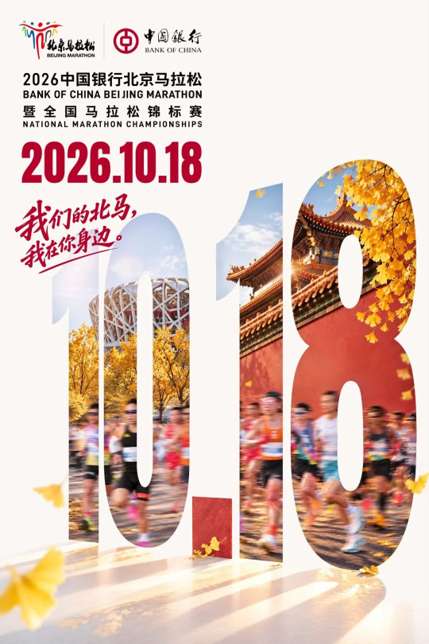
Source: Beijing Youth Daily; official WeChat account of the Beijing Marathon
-

Russian Soprano Aisulu Salmanova Chinese and Foreign Classics Concert
-
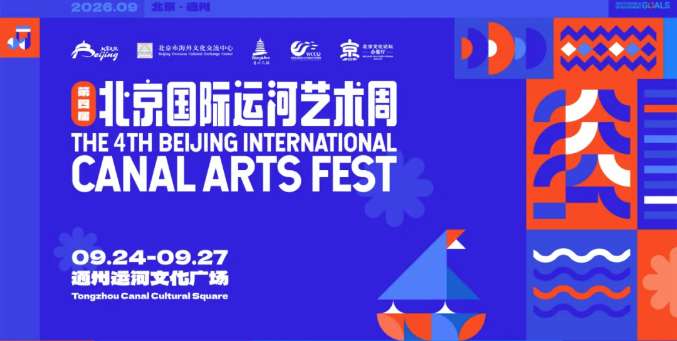
2026 Beijing Book Fair to Open on September 17!
-
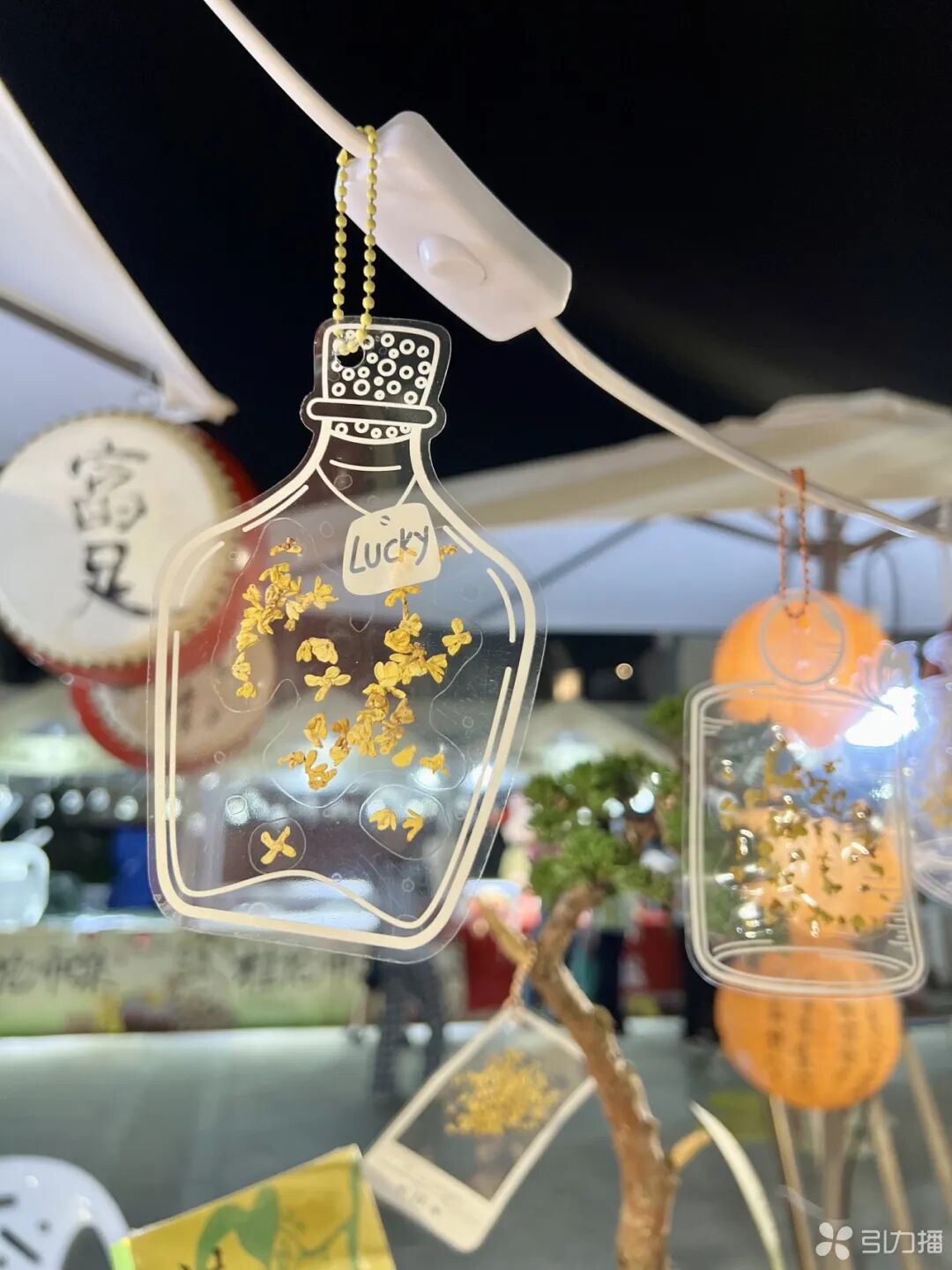
Osmanthus market to open next Wednesday
-
Jiangnan Silk and Bamboo, Chinese Charm National Music Concert — Jiangyin Station
Discover







 京公网安备11010802044359
Contact Us:86-10-58882453 86-10-58882413