
“The lessons, the morals, the perspectives, taught in fairy tales are still something that influences us later in life, and it's something that stays with us a whole life.”
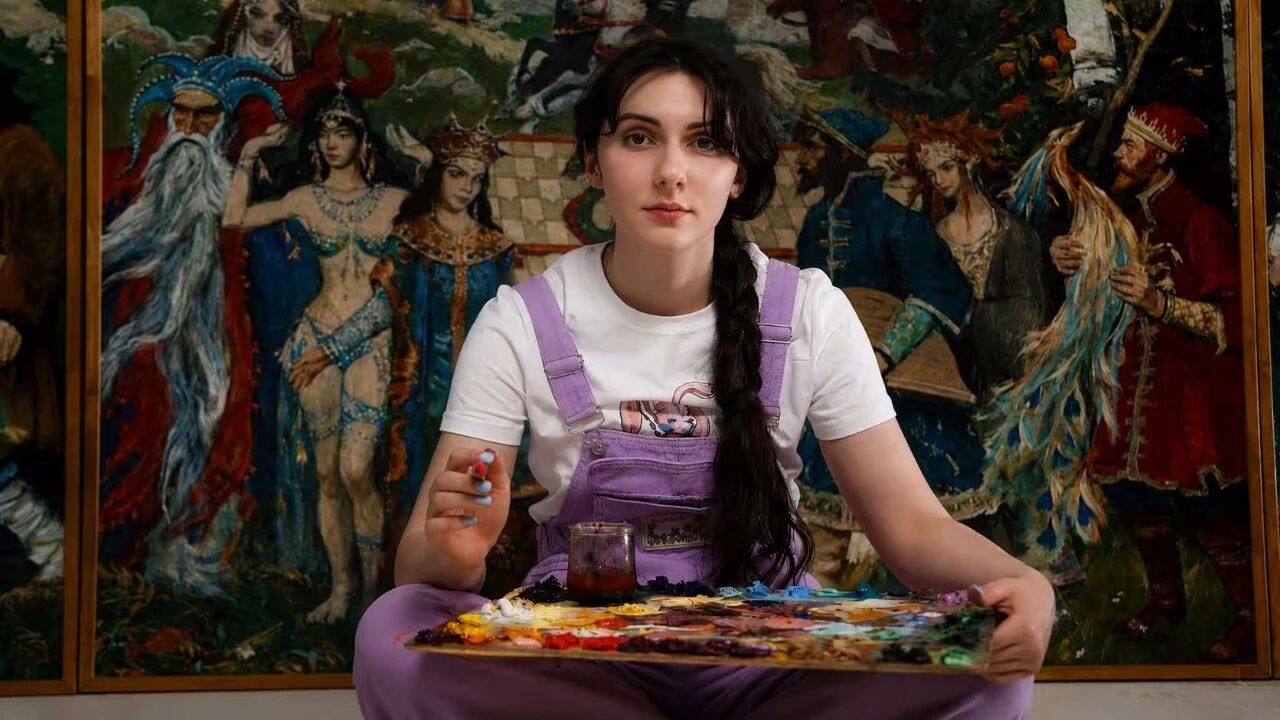
When Hangzhoufeel met Russian visual and performance artist Elisabeth Anisimow again, it was at her solo exhibition in Hangzhou. Two and a half years ago, 17-year- old Elisabeth came to Hangzhou for the first time to study traditional Chinese landscape painting at the China Academy of Art. During her time here, she also developed a strong interest in Chinese philosophy and fairy tales. Inspired by Chinese culture, she began bringing myths and fairy tales from China and Russia together in her work, exploring the two cultures from her own artistic perspective.
Even before entering the main exhibition space, visitors are greeted by a painting inspired by The Legend of the White Snake. For Chinese audiences, the centuries-old legend is more than simply a mythical tale. It carries generations of imagination about love, separation and reunion.
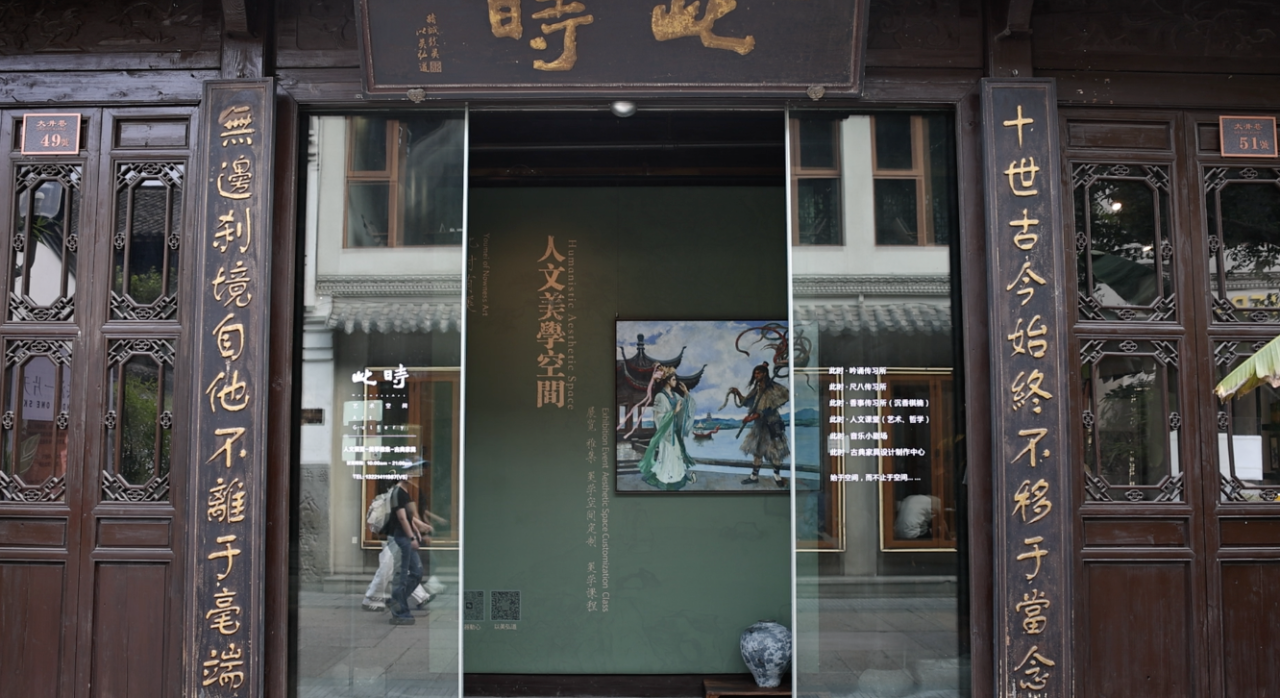
Two and a half years ago, Elisabeth passed West Lake every day on her way to class. Leifeng Pagoda, West Lake, and The Legend of the White Snake that has been told for centuries gradually entered her world. She began trying to portray her own interpretation of the story. “This is one of the first paintings that I started when I first had the idea to actually make an exhibition in Hangzhou and this painting is from The Legend of the White Snake.” Elisabeth said.
While studying in Hangzhou, Elisabeth began sketching ideas on paper and thinking through the stories she wanted to tell. The various versions of this ancient Chinese legend fascinated her and its themes also reminded her of an old Russian fairy tale, The Frog Princess.
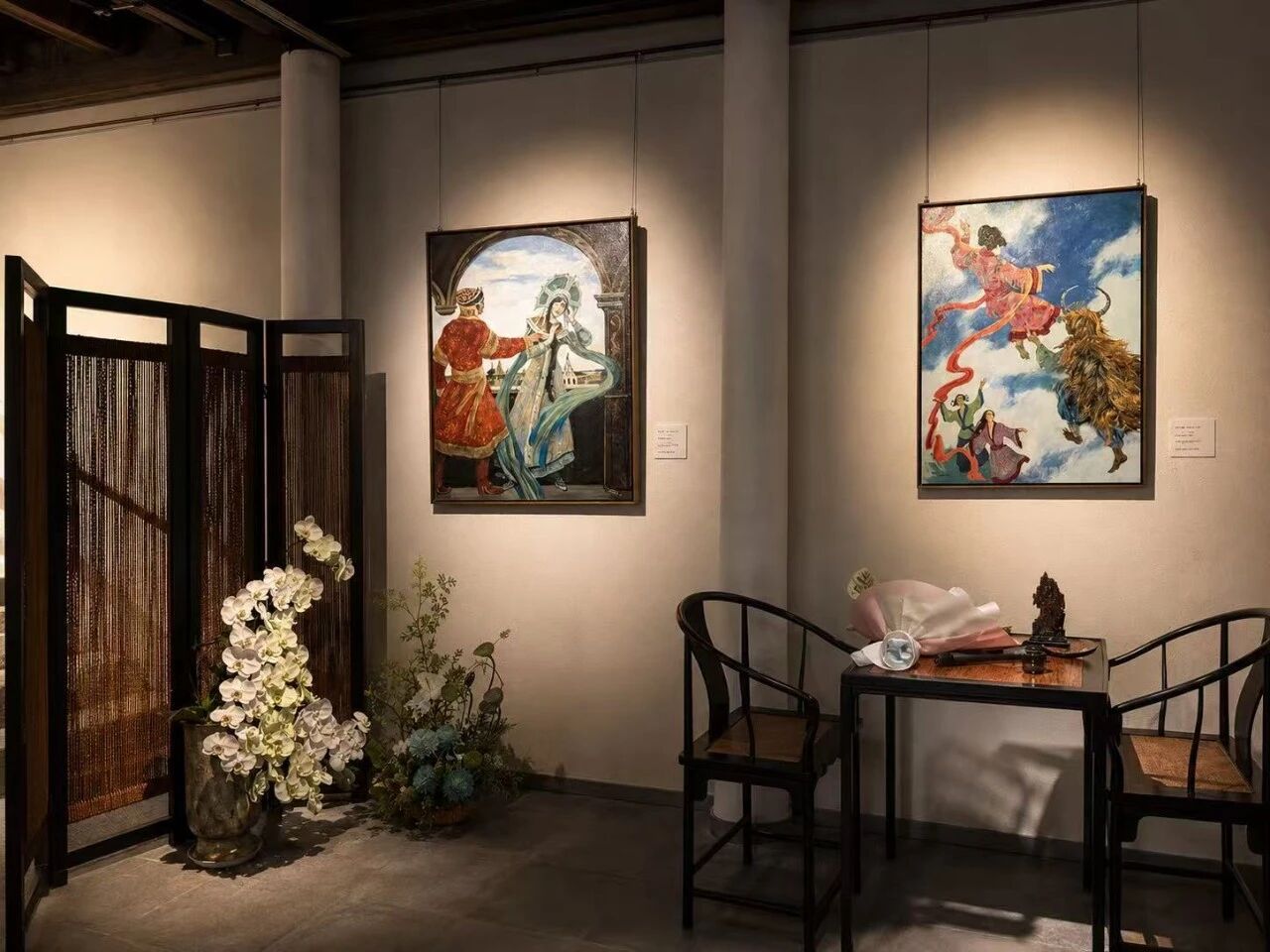
One painting gradually became a series, and one exhibition grew into a dialogue between two cultures. The process was not as straightforward as Elisabeth had imagined. Working with fairy tales from another culture required deeper research and understanding. To find earlier and more complete versions of these fairy tales, she went through Western sources and even discovered an old book in a Russian library that had been brought back from China during the Tsarist era. The book could not be taken out of the library, so she returned again and again to read it there.
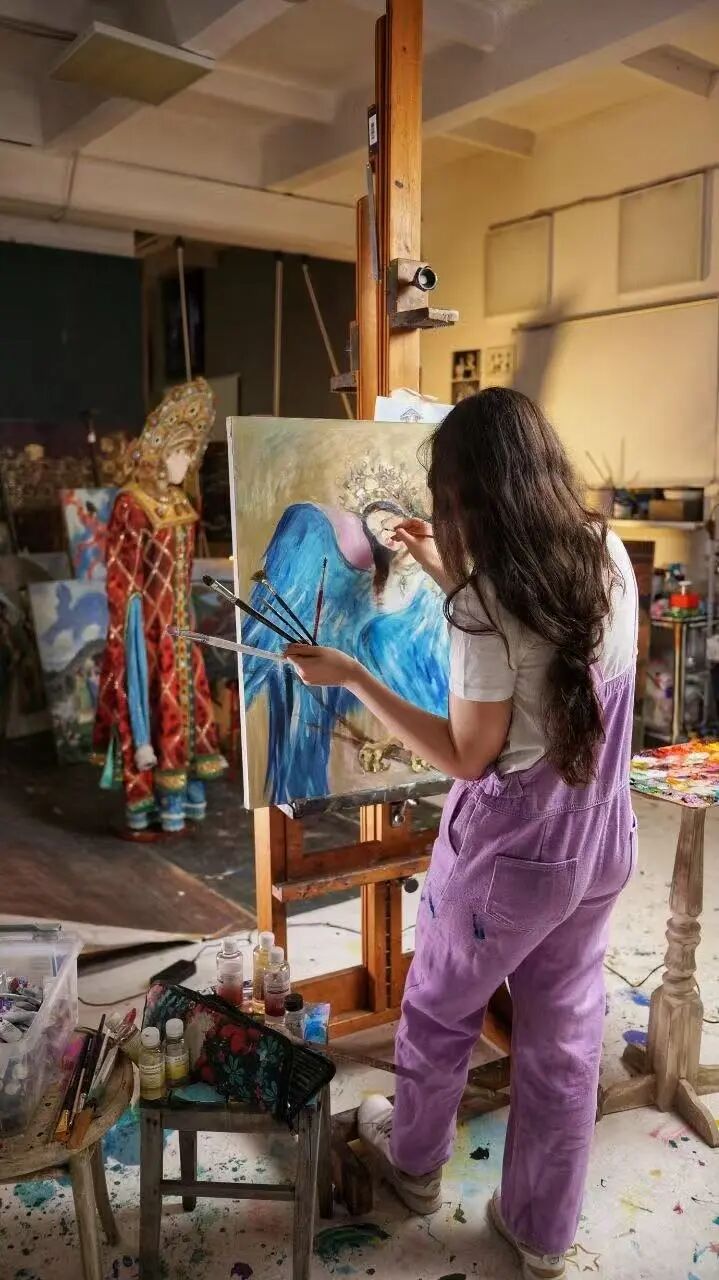
It took her about six months for researching, translating and sketching. For Elisabeth, depicting stories from another country first means making the effort to truly understand them. That process also led her to notice some fascinating similarities and differences between cultures. One example is the image of the dragon. In Chinese mythology, dragons usually have one head and are often associated with wisdom and other positive qualities. In Russian fairy tales, however, dragons may have three heads, and their meanings vary from one region and story to another. Sometimes they represent strength, sometimes they help people, and sometimes they bring disaster.
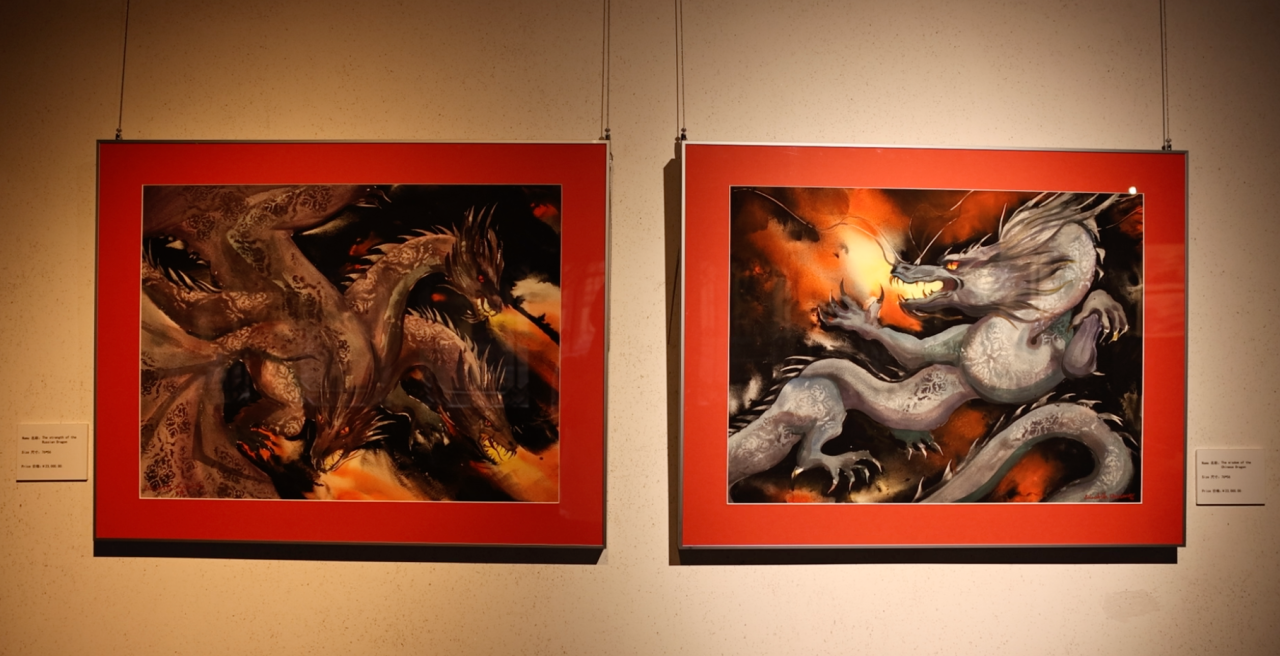
Once, Elisabeth painted a dragon as a birthday gift for a Chinese friend. When she took the painting to be framed, people asked, “Did you paint the right dragon? Why does it have three heads?” “This is a Russian dragon,” she explained. That moment of cultural misunderstanding later became one of the reasons she decided to include dragons from both cultures in the exhibition. Even similar cultural symbols can carry entirely different stories.
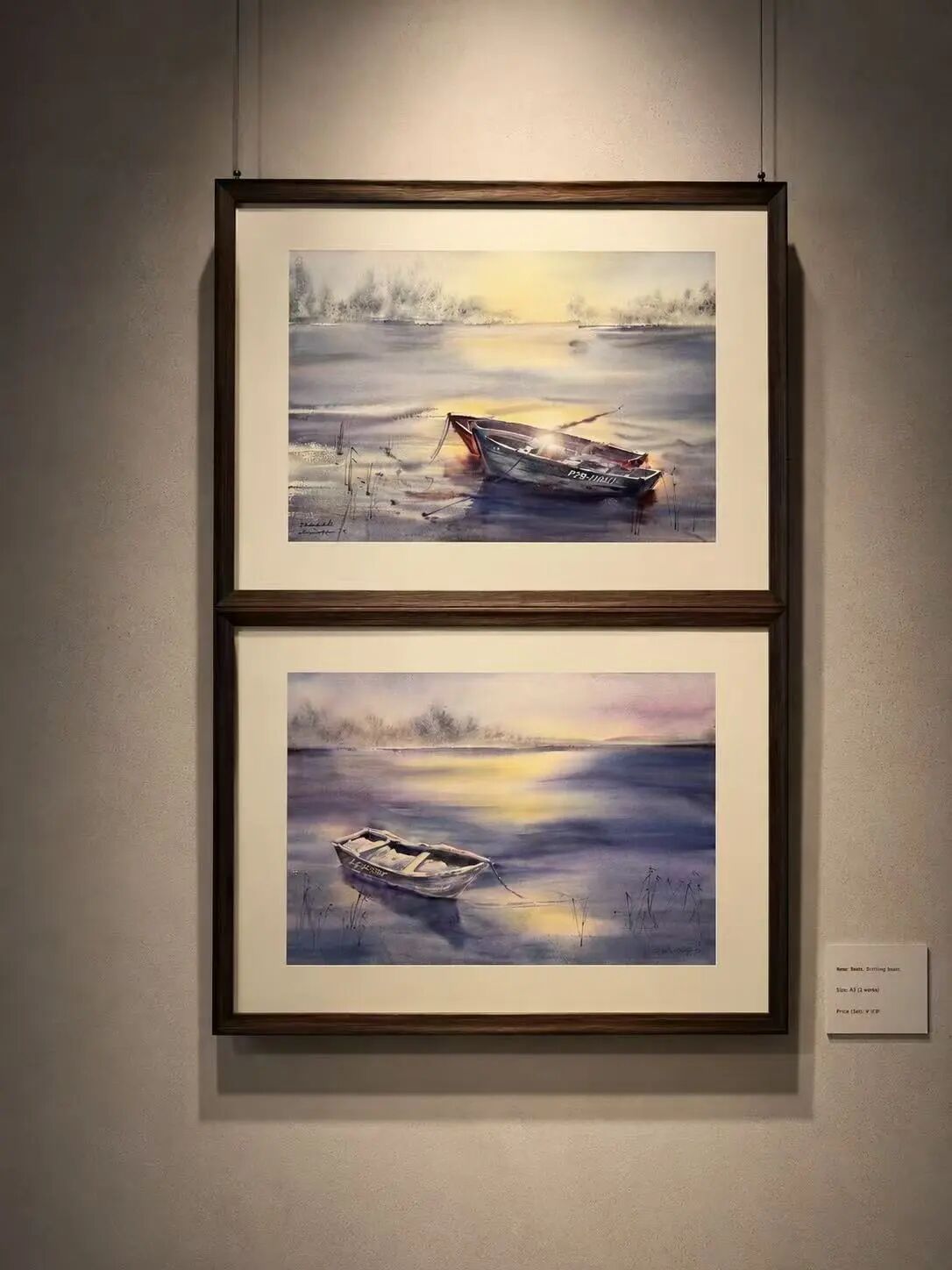
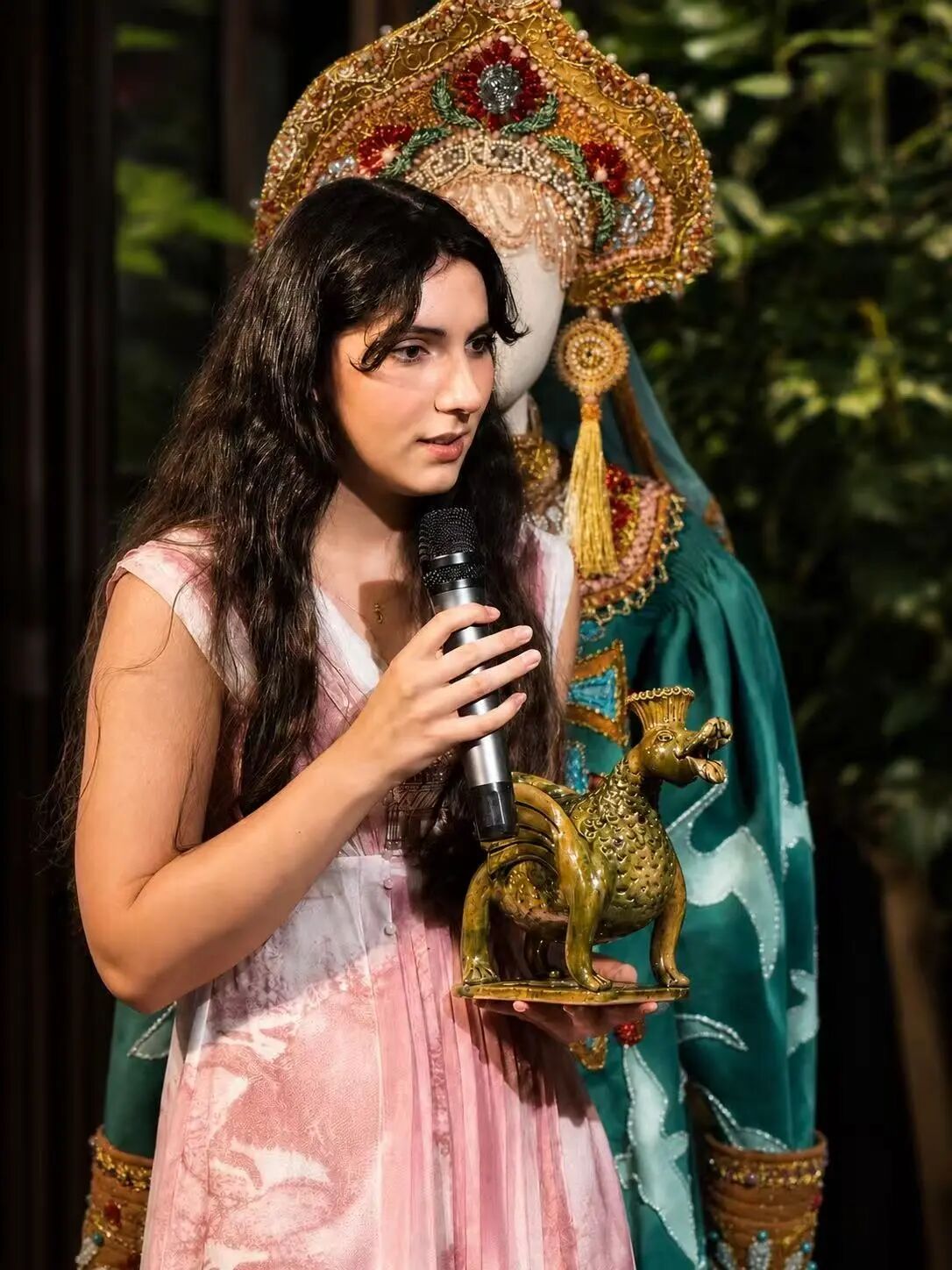
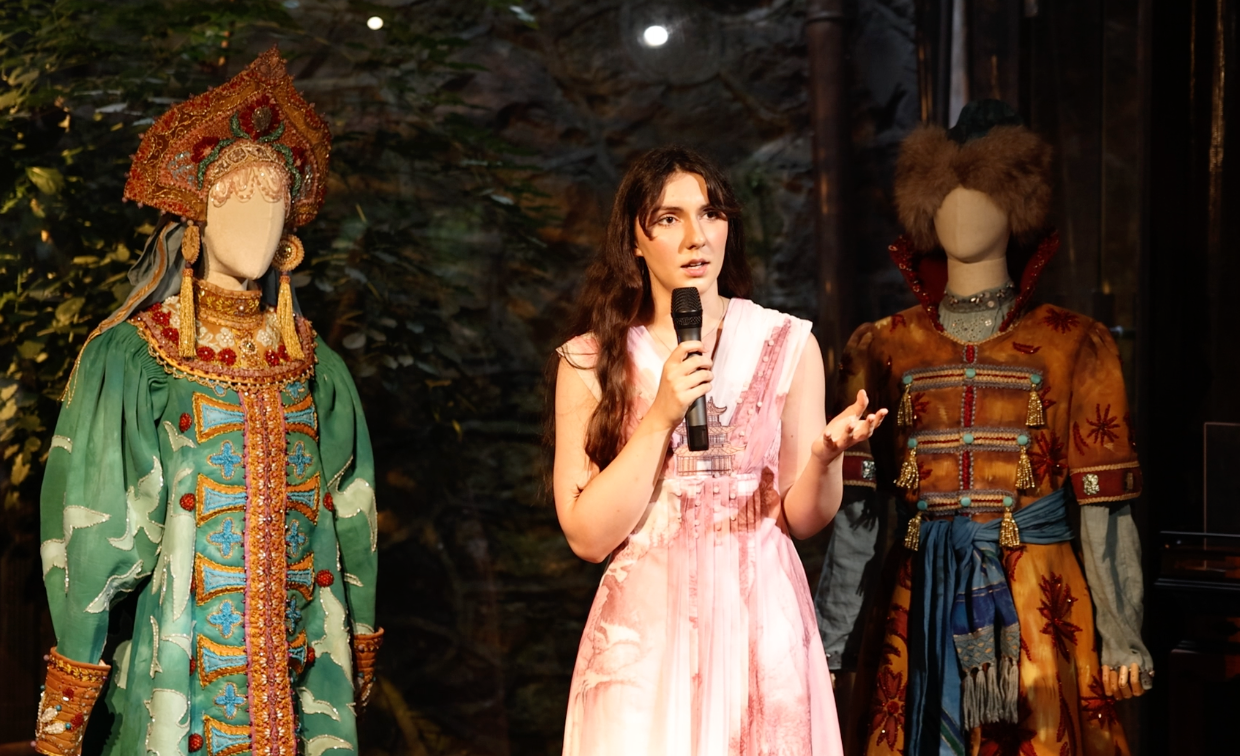
Alongside oil paintings and watercolours inspired by fairy tales, Elisabeth also brought a collection of Skopin ceramics from Russia, as well as traditional Russian costumes of her own design. As an artist, she does not limit herself to a single medium, but continues to explore different materials and new ways of creating art.
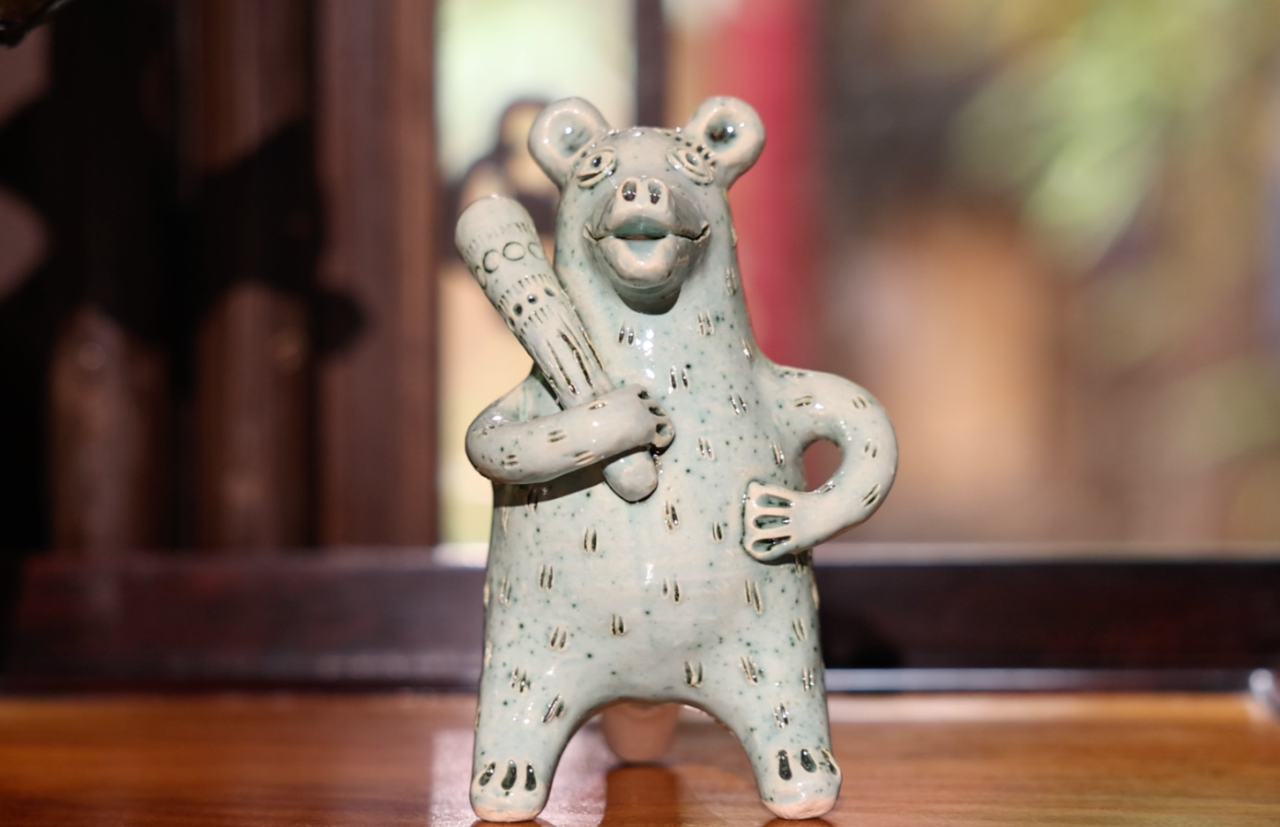
She has long been interested in traditional Chinese ceramics and has learned about different styles and techniques. She also hopes to visit Jingdezhen and explore its museums. In Russia’s Ryazan region, there is a city that, much like Jingdezhen, has a long tradition of ceramics: Skopin. At the exhibition’s opening ceremony, Elisabeth introduced visitors to the stories behind these ceramic works. From the familiar Russian bear to the three-headed dragon, elements from different cultures become unexpected bridges through different artistic media.
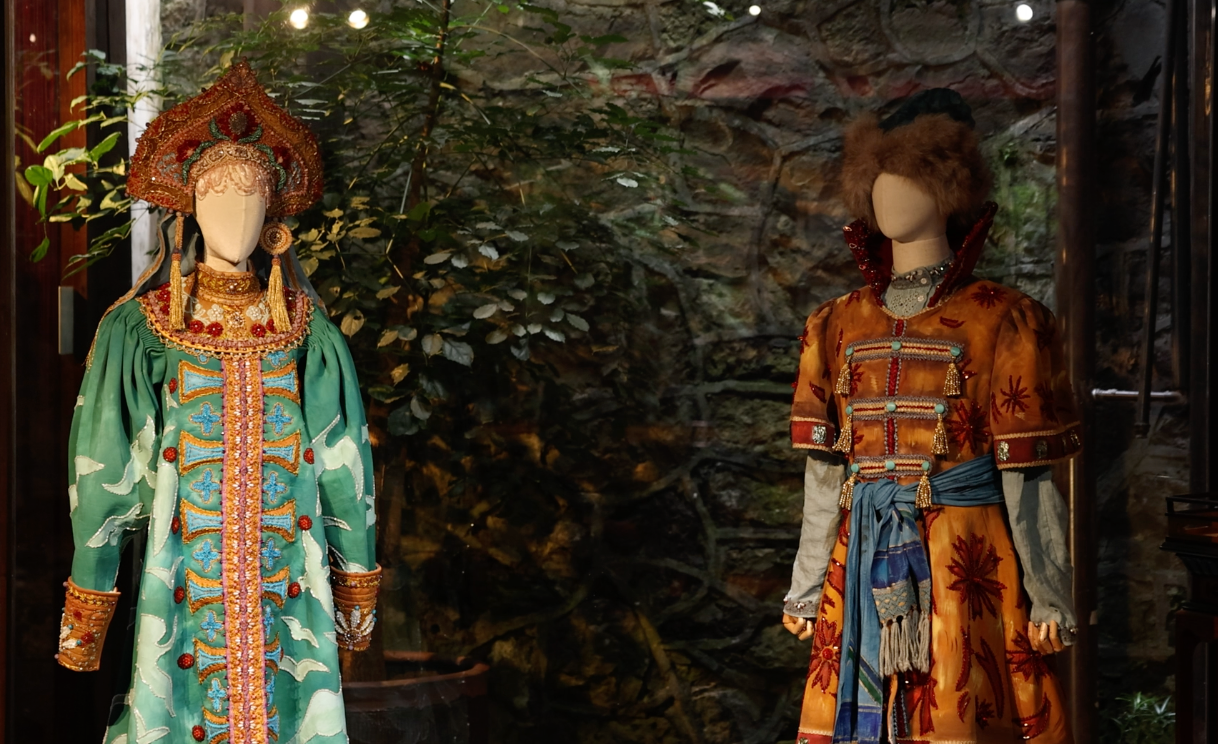
At the centre of the first floor stand the two costumes designed entirely by Elisabeth, from the initial sketches to their construction and colouring. Based on traditional Russian clothing, the costumes are decorated with natural stones, while their colours were applied stroke by stroke using acrylic and oil paints.
For Elisabeth, imagination has no boundaries, and neither does art. She does not believe artists should restrict themselves to any single form, but should create in every way they can.
From a few sketches drawn beside West Lake two and a half years ago to her solo exhibition today on Dajing Lane, Elisabeth also spent a long time thinking about what to call the exhibition.
Why Under One Sky? Elisabeth explained: “We will always stay the same in that we're all on the same planet despite being so far away. The sky never really changes where you go and it connects all of us across the world, even though all our cultures are different.”
Exhibition Information
Under One Sky
Time: Now to September 30
Venue: Nowness Art Space,
#49, Dajing Lane, Shangcheng District
Hangzhoufeel's previously released Elisabeth video
Source: Hangzhoufeel









 京公网安备11010802044359
Contact Us:86-10-58882453 86-10-58882413