
The 2026 World Chinese Festival of Worship of Ancestor Yandi to be Held in Suizhou, Hubei
May 30, 2026
Suizhou 2026.06.11(CHINANEWS, Hubei News, May 29) — A press conference held by the Hubei Provincial People's Government Information Office on May 29 revealed that the 2026 World Chinese Festival of Worship of Ancestor Yandi, co-hosted by the Taiwan Affairs Office of the State Council, the China Federation of Literary and Art Circles, the All-China Federation of Returned Overseas Chinese, the Association for Yan Huang Culture of China, and the Hubei Provincial People's Government, will be held on June 11, 2026 (the 26th day of the fourth lunar month, the birthday of Ancestor Yandi), at the Hometown of Ancestor Yandi—Suizhou, Hubei.
According to reports, the World Chinese Festival of Worship of Ancestor Yandi has been successfully held for 17 consecutive years, growing from a regional sacrificial activity into a widely influential cultural brand within global Chinese communities.
This year's festival closely adheres to the principles of "promoting Yandi culture, consolidating national sentiments, publicizing the city brand, and highlighting distinctive industries." It strictly follows the guidelines of being "safe, economical, innovative, and efficient" in organizing the event. Adhering to the approach of "focusing on rituals and culture for the main events, and promoting the city and industry through supporting activities," the festival has meticulously planned a series of activities structured as "one main event and three supporting activities," striving to create a national-level sacrificial ceremony rooted in cultural traditions while reflecting the spirit of the times.
As the core activity of the festival, the Ancestor Worship Ceremony is scheduled to be held on the morning of June 11 at the Ancestor Worship Square of the Ancestor Yandi Scenic Area in Suizhou. The ceremony strictly follows national-level sacrificial rites and consists of nine procedures: Drumming and Bell Ringing, Opening the Sacred Gate, Lighting the New Fire, Presenting Flower Baskets, Offering Incense to the Ancestor, Reading the Eulogy, Bowing to the Ancestor, Singing in Praise of the Ancestor, and Paying Respects to the Sacred Statue.
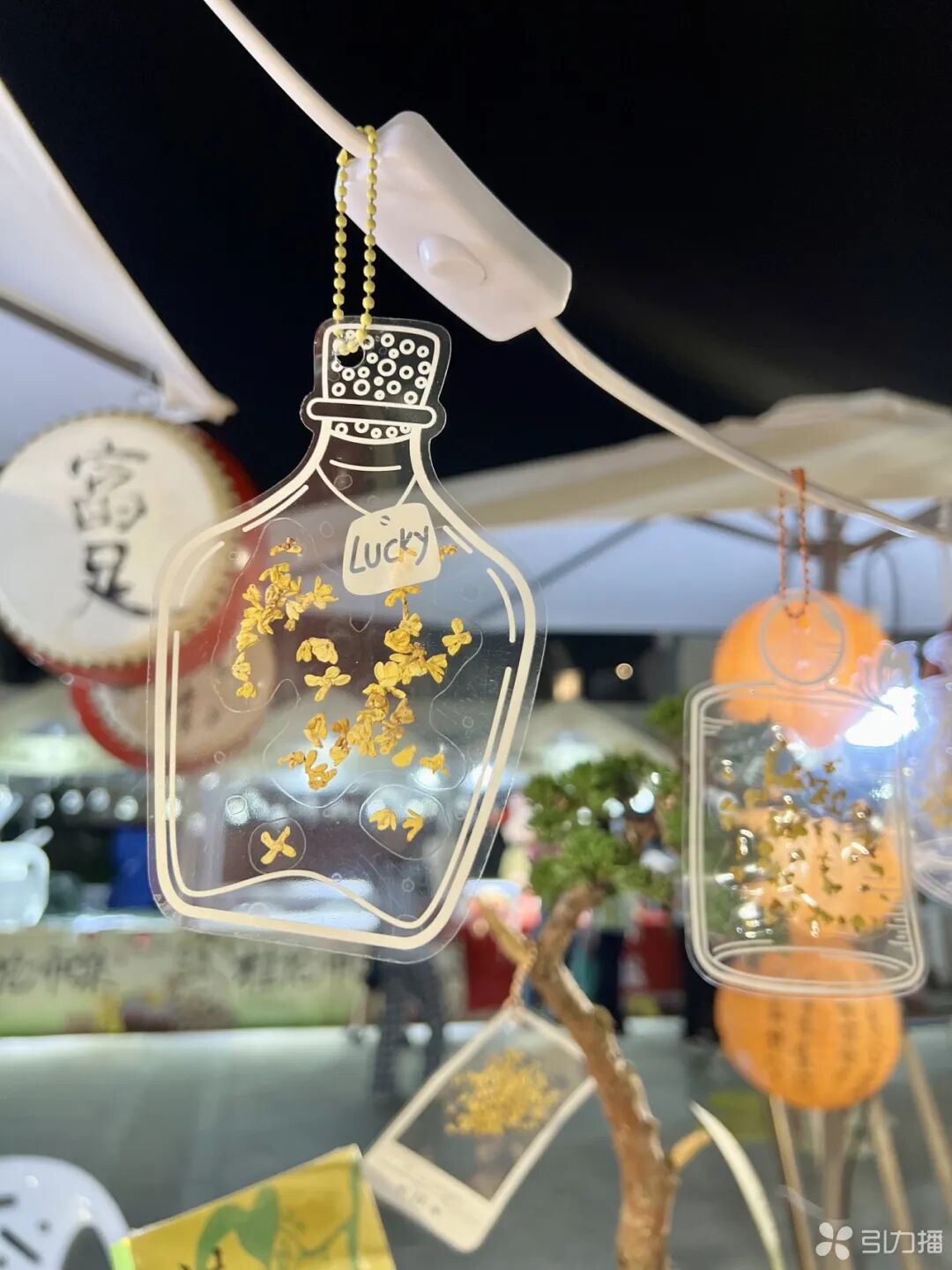
This year's festival has streamlined and consolidated the numerous supporting activities of previous years into three main ones, spanning from April to June. The first is an exchange event where compatriots from Hong Kong, Macao and Taiwan, as well as overseas Chinese, visit Suizhou. This includes a series of activities such as "Seeking Roots and Achieving Shared Prosperity" matchmaking between Suizhou's distinctive industries and diverse sectors from Hong Kong and Macao, a root-seeking trip for Taiwanese compatriots, and a trip for overseas Chinese, aimed at enhancing emotional identity and promoting practical cooperation. The second is the Yandi Cultural Temple Fair, which highlights folk traditions and intangible cultural heritage. It will feature performances of intangible cultural heritage, folk sacrificial ceremonies, and night tours, in collaboration with Yandi culture-related regions such as Baoji in Shaanxi, Yanling in Hunan, and Shennongjia Forestry District, creating an immersive worship experience and activating new spaces for cultural tourism consumption. The third is the "Root-Seeking with Me · Falling in Love with Suizhou" Root-Seeking Season. This event leverages the construction of the "Jing-Xiang-Sui" Jingchu Cultural Tourism Corridor, integrating local resources into the "Shen-Wu-Xia" cultural tourism axis and the Wuhan-Xi'an cultural tourism route, deepening regional coordinated development of cultural tourism.
Source:www.hb.chinanews.com.cn
The English version is for reference only. If there are differences between the English version and the Chinese version, the Chinese version shall prevail.
http://www.hb.chinanews.com.cn/news/2026/0529/429595.html










 京公网安备11010802044359
Contact Us:86-10-58882453 86-10-58882413