
In a world shaped by rapid technological change, global connections, and growing uncertainty, contemporaneity is no longer simply about time. It is about how we relate to one another, how we perceive reality, and how we create meaning within an increasingly complex environment.
At the Winland Center in Hangzhou, artists, thinkers, and curators recently came together to reflect on a fundamental question: what does it mean to be truly contemporary today?
This event, called "Contemplating ‘Contemporaneity’ In Today's Art", gathered three guests with diverse academic and artistic backgrounds. Angela Lyn, artist of Anglo-Chinese descent based in Switzerland, Giaco Schiessier, professor at Zurich University of Arts, and Shan Zeng, artist, curator, and professor at China Academy of Art.
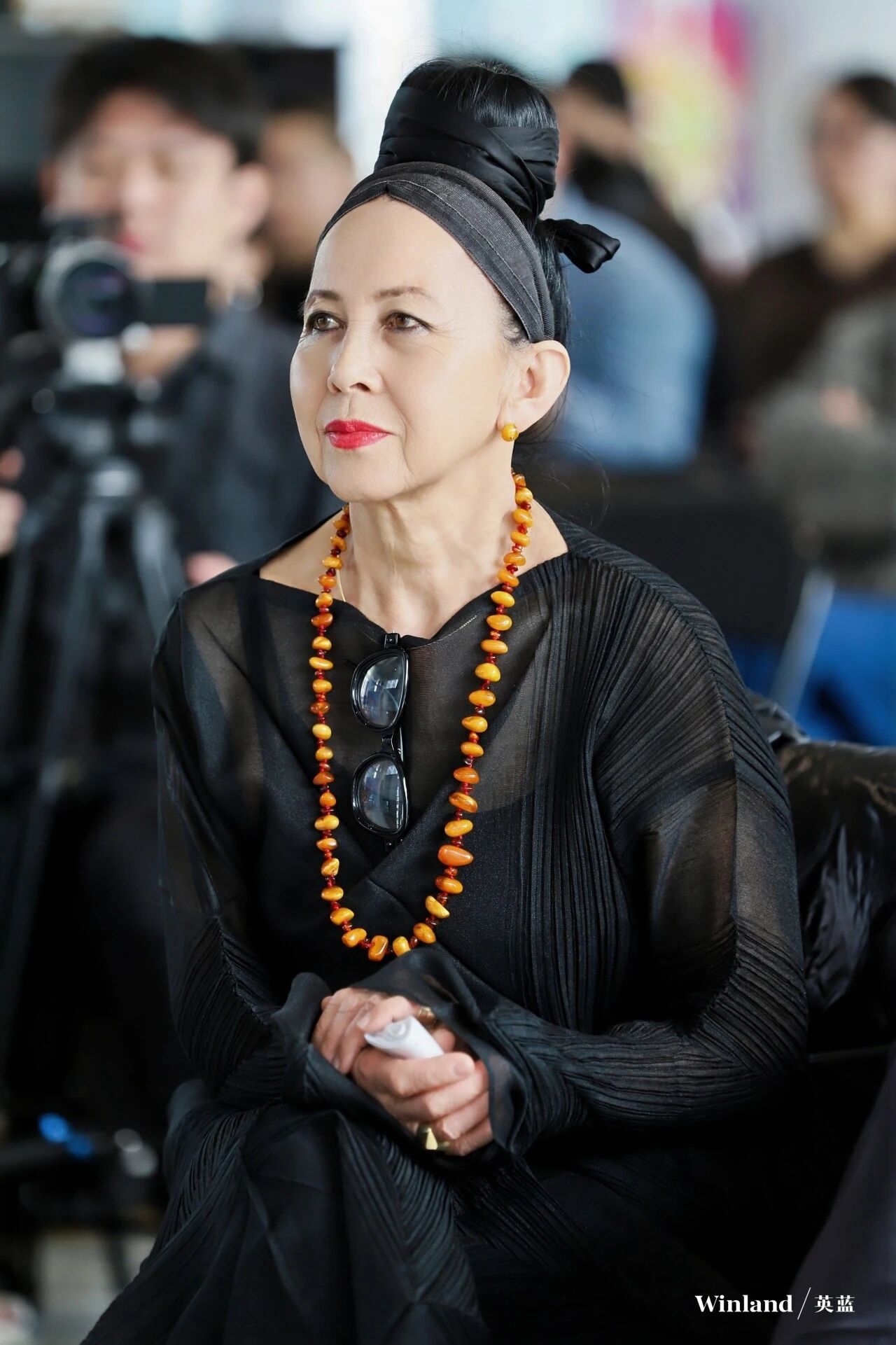
Angela Lyn is the daughter of a English mother and a Chinese father. She was born is a village in the southwest of England. Angela grew up with two brothers, an older one and a younger one. The latter, who was autistic and who never spoke, tought Angela that communication happens in many different ways, between eastern and western culture and the verbal and nonverbal world of her brothers.
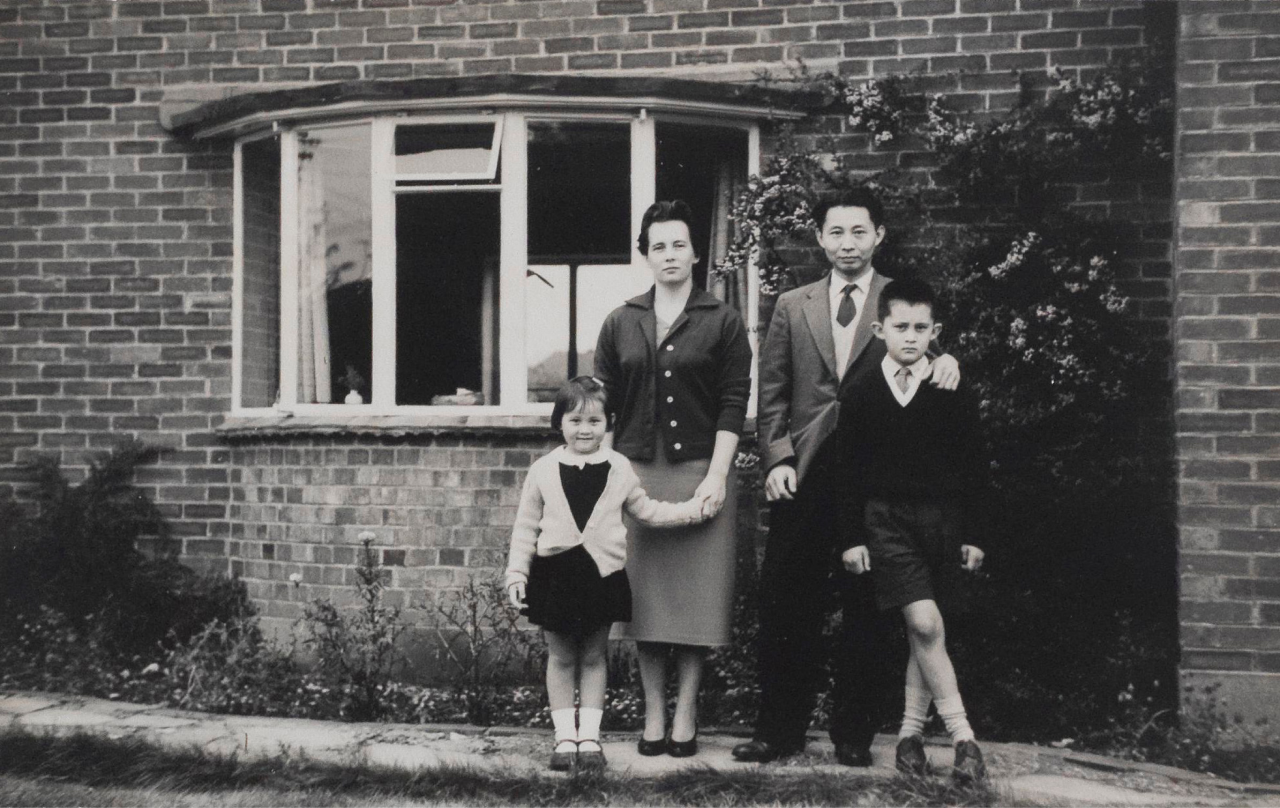
At the age of 11, Angela Lyn decided that she was an artist. Art become her means of questioning herself and responding the world she lives in. She has been painting her way through life ever since.
As a daughter of a muti-racial couple, Angela Lyn found her creative practice deeply rooted in her cross-cultural experience. She pointed out that Western painting emphasizes adding light in the final layer, while Eastern art believes that light comes from the inside, and her works have explored a language that integrates both elements.
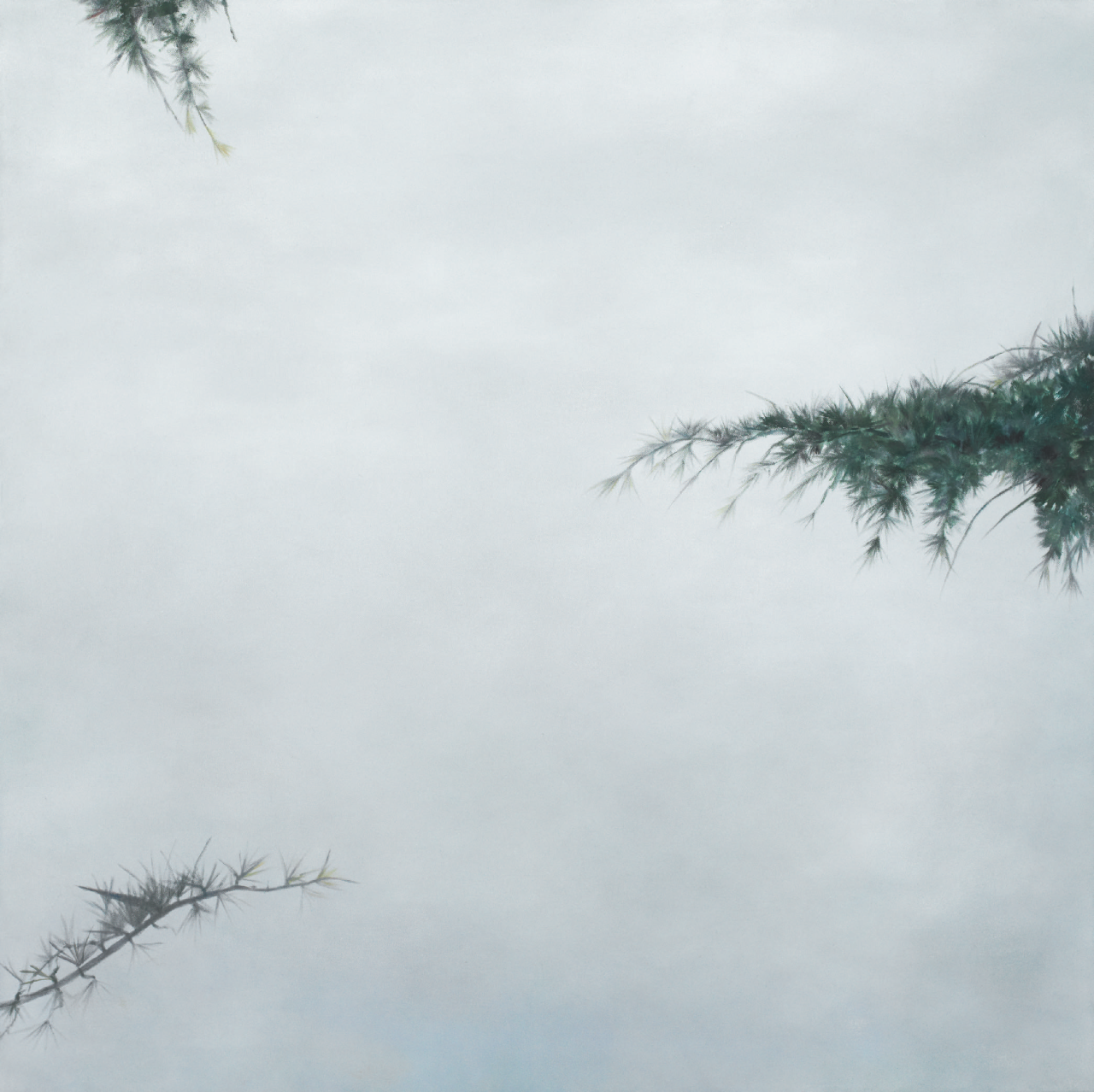
Since her father hung a Chinese painting of a cedar tree with a monkey in their home during her childhood, Angela had had a special connection with these trees. Later on, the 150-year-old Himalayan cedar trees outside her Swiss studio, where she had worked fro 30 years, have become a central theme in her work. Angela Lyn observed the constant mouvement and change of the branches and the needles. She found herself discovering new things within the same thing. This has made her realize the contrast with today's social media, where images and contents are in constant change.
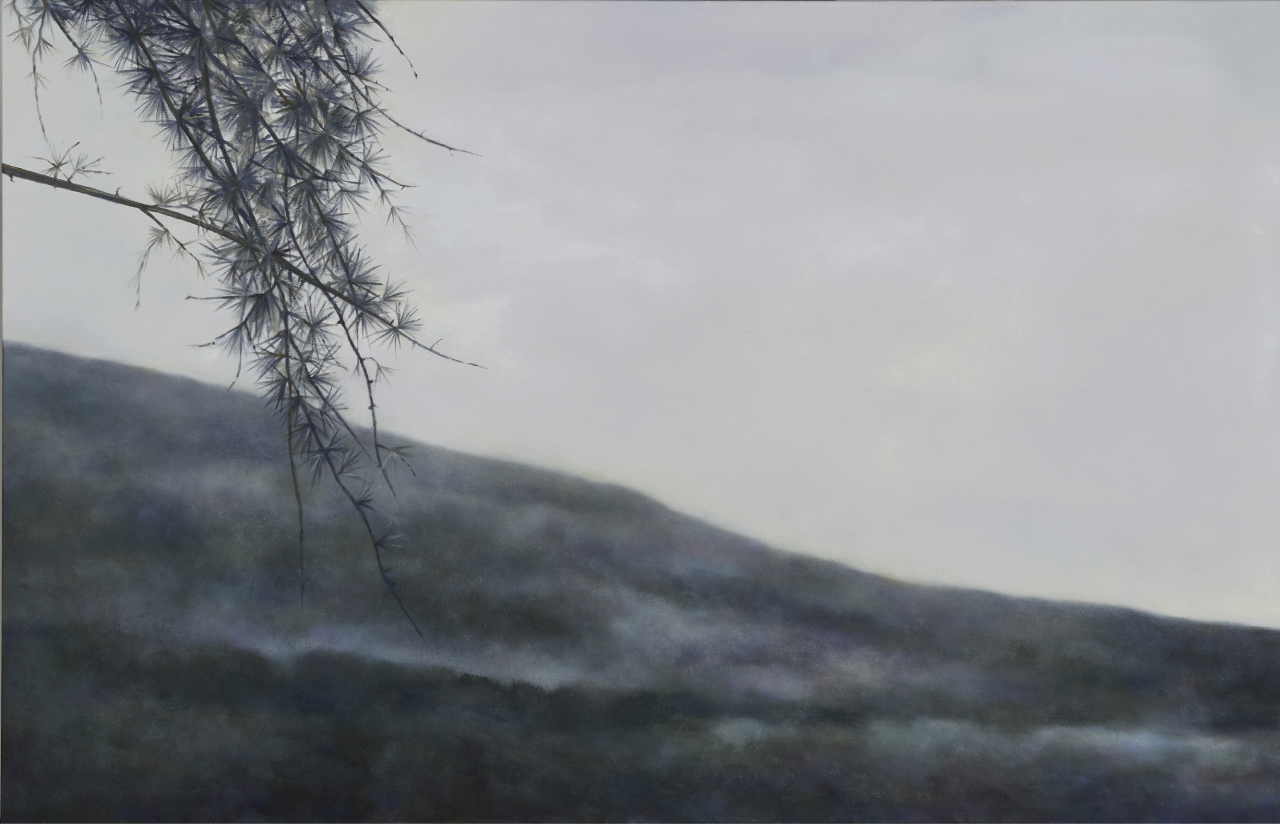
While painting the needles, Angela discovered that realized: the minute she failed to give energy, the branches became lifeless and no longer hold meaning. She later confirmed after tests, that there is no shortcut. It needs time and persistance to bring a work of art to life. Angela revealed that she liked the discovery and confrontation with her own impatience in an era where we are always looking to get things done quickly. She came to the conclusion : you get what you give.
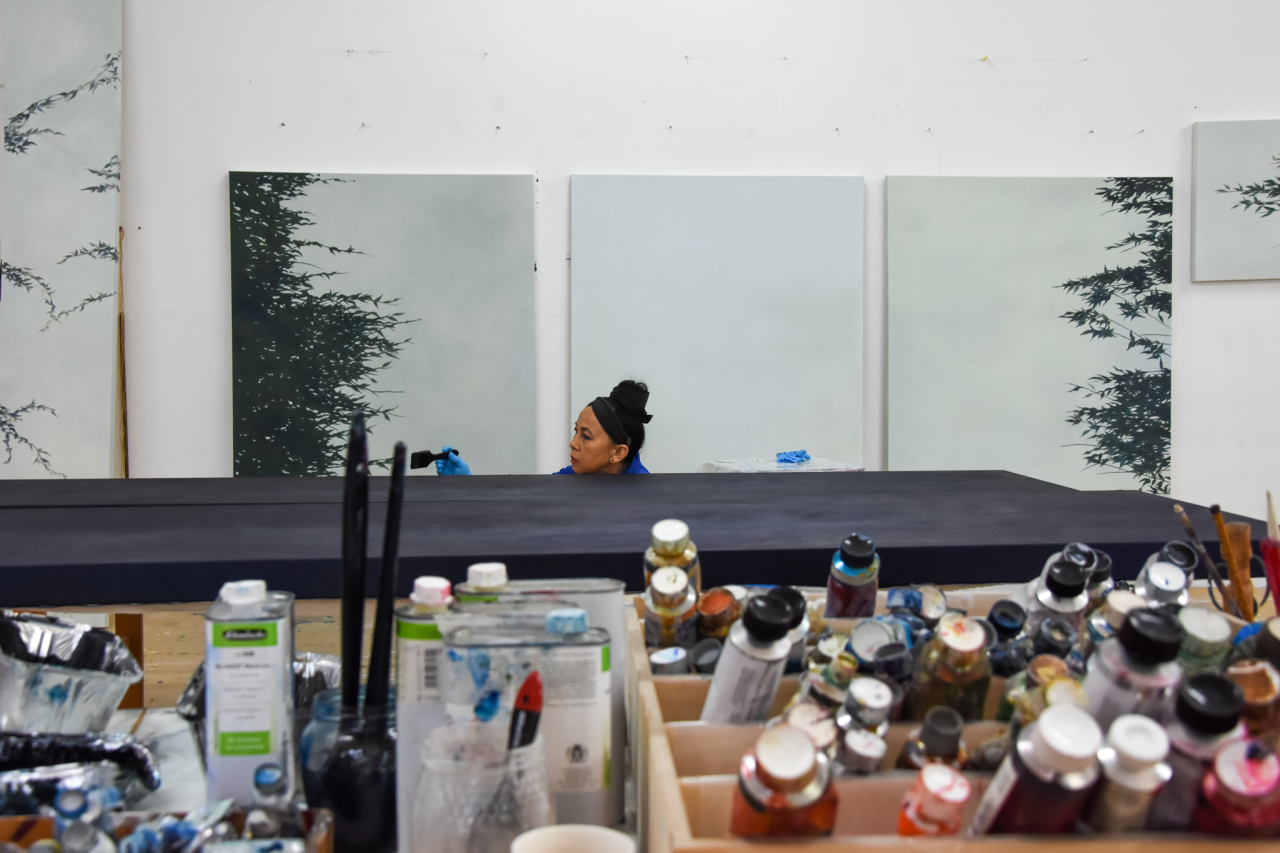
What is also memorable about Angela Lyn's paintings is the empty space she integrates into them. Focusing on the void is nothing new in Chinese painting, but Angela employs it as a contemporary response to our visual overloads. Angela builds, with theses empty spaces, a doorway for the viewer to enter and participate.
For Angela Lyn, contemporary art is not about providing clear answers, but about asking essential questions.
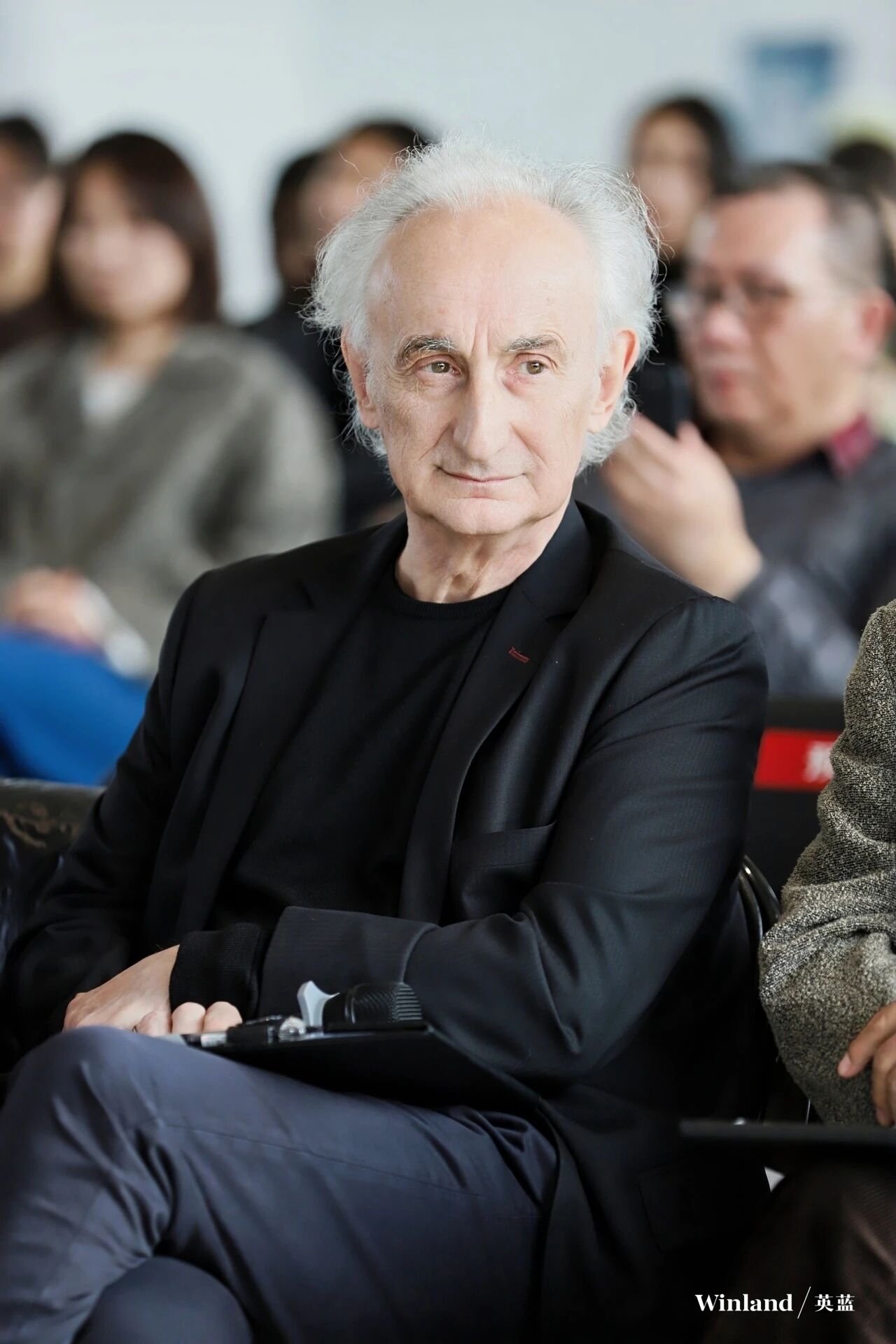
Giaco Schiesser is an art theory expert from the University of the Arts in Zurich, Switzerland. He has spent years studying art theory, cultural research and interdisciplinary art practice, and is a leading thinker in these fields.
He has a clear view on artistic contemporaneity and rejects narrow ways to define it. He says there are four main ways people see artistic contemporaneity, and his own key idea is: all artists from the same time are contemporary. So there is no single "contemporaneity", but many different artistic ideas and works that define a period.
He criticizes two extreme views in art. First, art for art’s sake from the french saying "l'art pour l'art": this idea only focuses on art’s beauty and ignores society, which can make art empty and meaningless. Second, art as pure activism: this uses art only for political or social demands, and forgets the unique beauty and creativity of art itself.
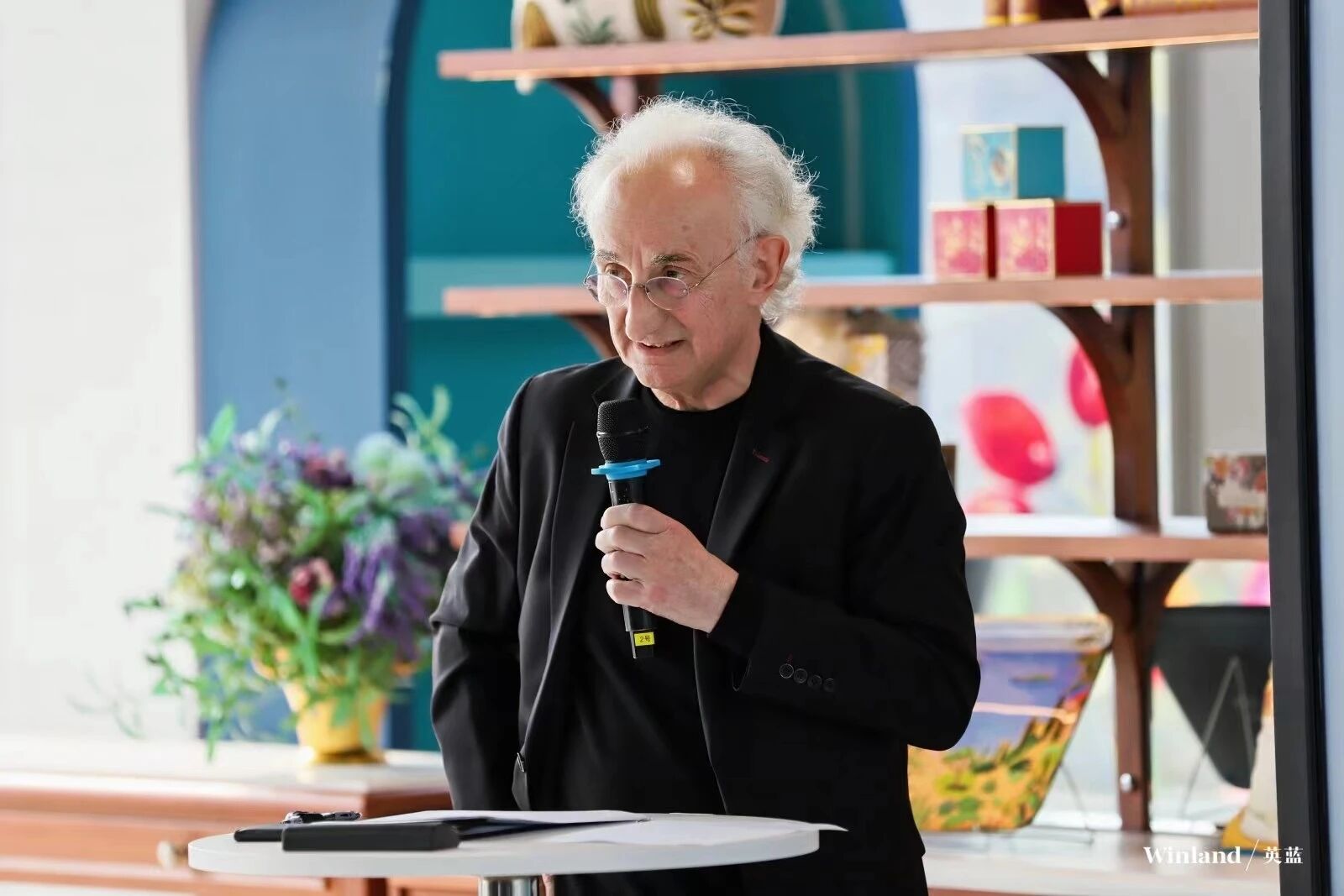
Instead, Professor Schiesser thinks art should care about public life, the things that matter to all people in a society, like climate change or inequality. He likes the idea of "making art politically": artists talk about important social issues through their works, but not in a direct, pushy way. They use art’s own language to make people think.
He also talks about culture and technology across the world. He says there is no such thing as a "single Chinese culture" or "single Western culture". All cultures are mixed and diverse. Misunderstandings between different cultures are not bad; they can bring new creative ideas. On the other hand, Professor Schiesser thinks differently about AI. He notes Europe is more careful and critical with new tech like AI, while China and the US are more open to it. For him, tech development always needs deep thinking about its impact on people and culture.
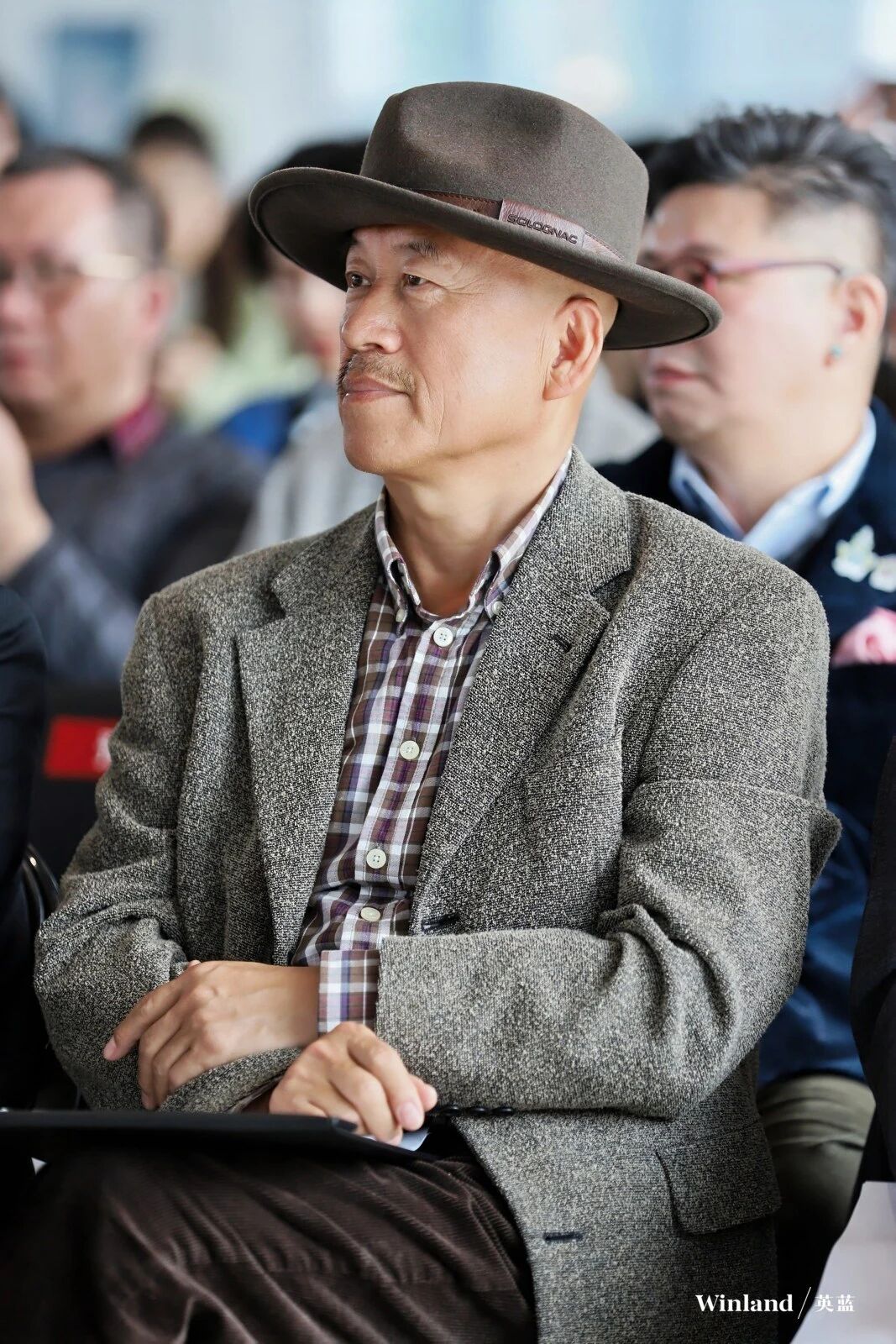
Professor Shan Zeng is a scholar from the China Academy of Art. He is a key voice in studying and teaching contemporary art in China.
His thinking about art is shaped by China’s art development after reform and opening up. During this time, all kinds of art: traditional, classical, modern and contemporary came into China quickly. This made many Chinese art students and researchers confused, and sometimes they just followed global art trends blindly. Professor Shan’s work aims to fix this: he wants to sort out artistic concepts and simplify artistic language, so Chinese contemporary art can keep its own cultural roots while learning from the world.
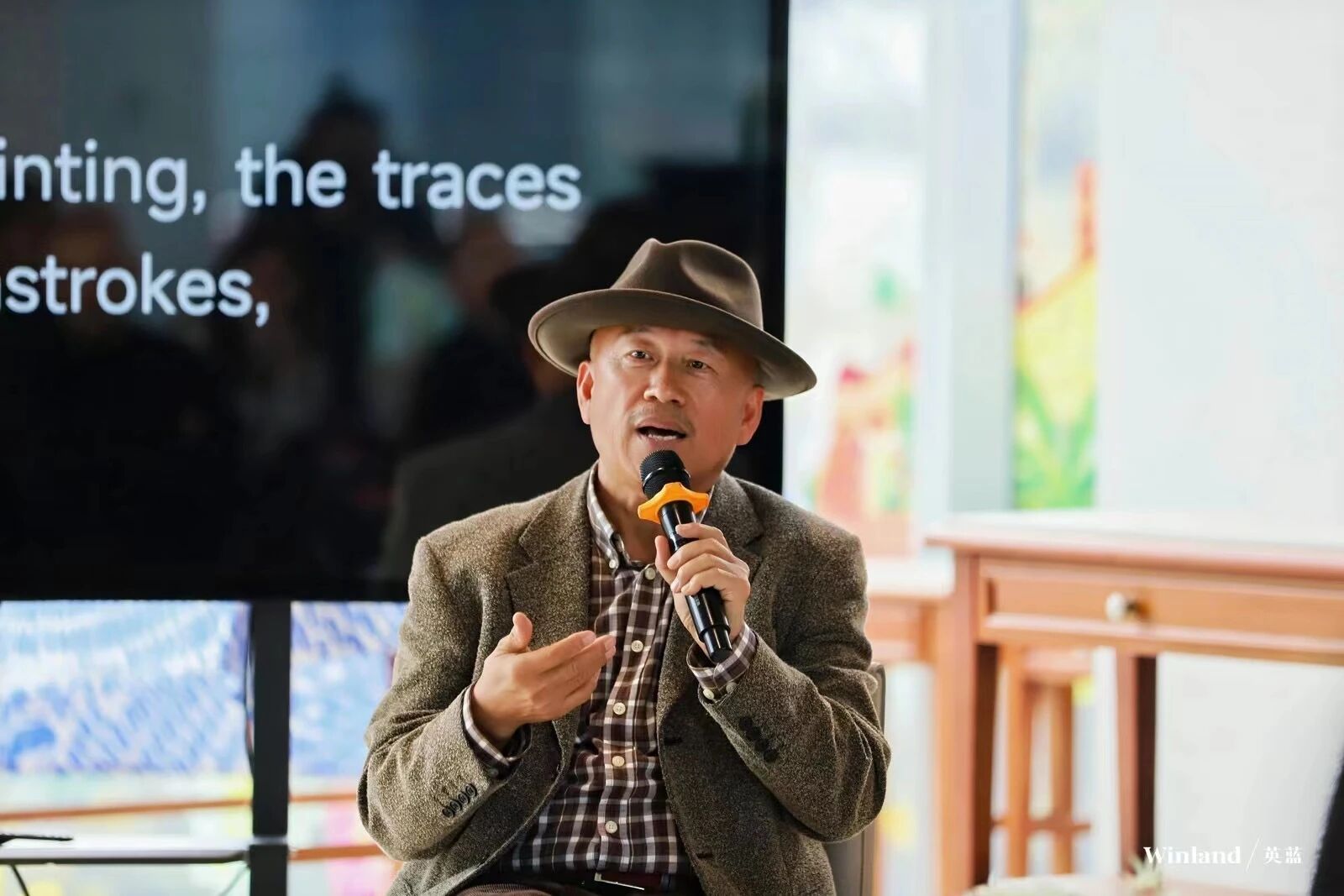
For Professor Shan, artistic contemporaneity is first a time concept, but it is different from the linear view of art history (which sees art as developing step by step from traditional to modern). Contemporary art breaks this linear time and builds a multi-dimensional space: it mixes different time periods, and breaks the limits of traditional art materials like Chinese painting, oil painting or calligraphy. Contemporary art uses different media freely, and it focuses more on expressing ideas and thoughts than on perfect techniques. It turns material creation into spiritual reflection.
Professor Shan also shares his views on AI and art. He compare the rise of AI with the invention of photography 200 years ago. Back then, people thought photography would end painting, but instead, they coexisted and made art more diverse. AI is the same: it is not a threat to artists, but a new tool. Unlike Professor Schiesser, Professor Shan thinks artists should embrace AI and its many creative possibilities.
For him, contemporary art is a space for diversity, individuality and critical thinking. It rejects centralism and values coexistence. He thinks studying individual artists (like Angela Lyn) is the best way to understand contemporary art. Each artist’s unique story and work makes contemporary art rich and colorful. The core of artistic contemporaneity, he says, is connecting the past and present, the local and global, and making people think about what it means to create art in a fast-changing world.
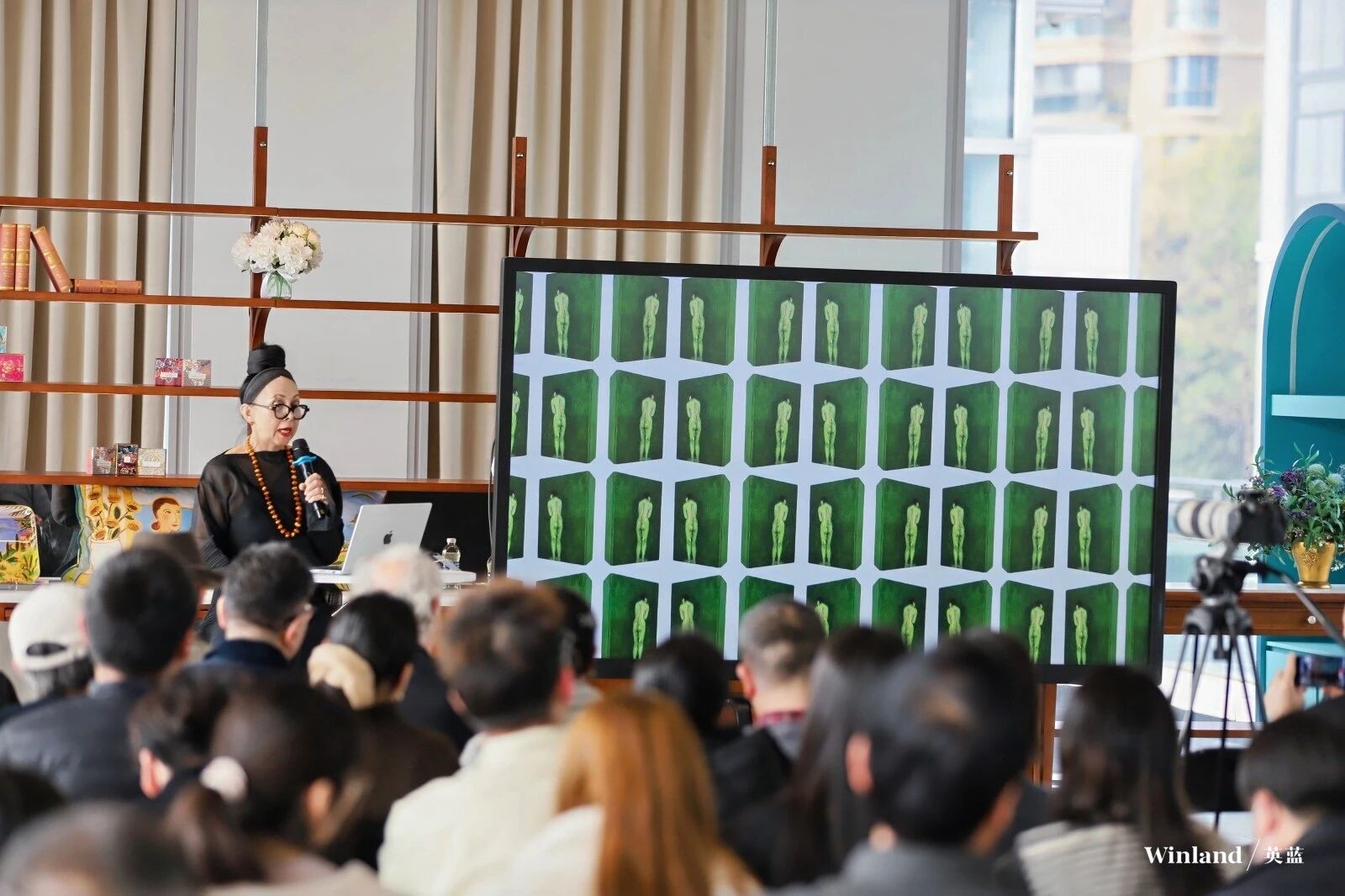
During this salon, three veteran art professionals’ reflection on contemporaneity was joined by dozens of art enthusiasts. This is an exploratory journey open to all. Perhaps contemporaneity is not something we can define once and for all. Rather, it is something we continuously experience, negotiate, and question, through art, through dialogue, and through the ways we choose to engage with the world around us.
Source: Hangzhoufeel




 京公网安备11010802044359
Contact Us:86-10-58882453 86-10-58882413