
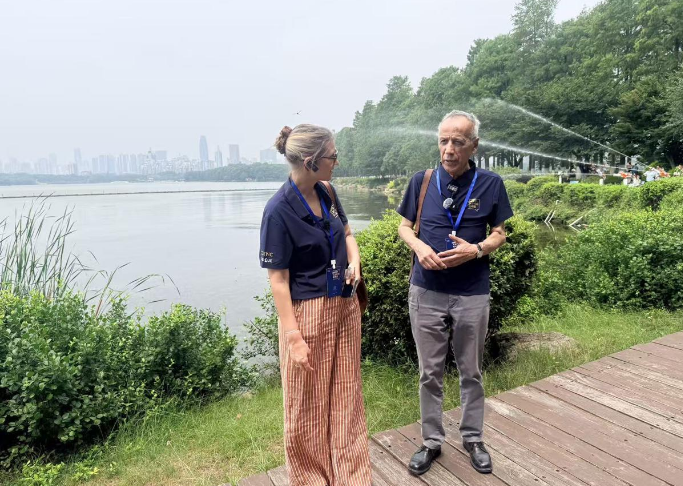
Foreign officials, experts, and human rights scholars participate in a human rights tour program in Hubei province. [Photo by Liu Kun/chinadaily.com.cn]
Foreign officials, experts, and human rights scholars participating in a human rights tour program have highlighted Wuhan's approach to ecological restoration and grassroots governance as a valuable reference for cities pursuing sustainable and people-centered development.
During the tour, delegates from countries including Mongolia, Chile, and Uruguay examined how the central Chinese city has integrated environmental protection, cultural preservation, and community participation into its urban development strategy.
At the Qingshan River Beach, a former industrial waterfront transformed into a public green space, delegates observed rain gardens, terraced embankments, and other ecological restoration measures. Maria Florencia Polo, Advisor in Communication to the Chief Economist in Development Center, Urguay, said Wuhan's ecological transformation has delivered visible benefits to residents.
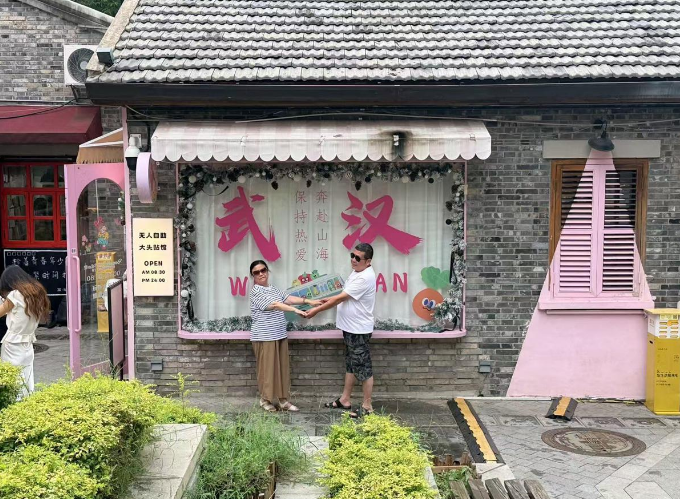
Tourists pose for photos in front of an attraction site in the historic Tanhualin district. [Photo by Liu Kun/chinadaily.com.cn]
Delegates also pointed to Wuhan's efforts to protect biodiversity and improve public access to green spaces through projects, such as the East Lake Greenway. Odmaa Munkhzaya, an official with Mongolia's National Human Rights Commission, described the city's coordinated river and ecological management system as a model with global relevance.
In the historic Tanhualin district, visitors examined mechanisms that encourage public participation in local governance, including merchant associations, mediation platforms, and grassroots legislative consultation channels.
Juan Carlos Moraga, president of the Chilean NGO Human Rights Without Frontiers, said the district demonstrates how cultural heritage conservation and community consultation can work together to improve urban living.
According to the participants, Wuhan's experience illustrates how ecological protection, cultural continuity, and livelihood improvement can be advanced in tandem, offering insights for cities seeking more inclusive and sustainable forms of governance.
Source: chinadaily.com.cn
Events
More+-
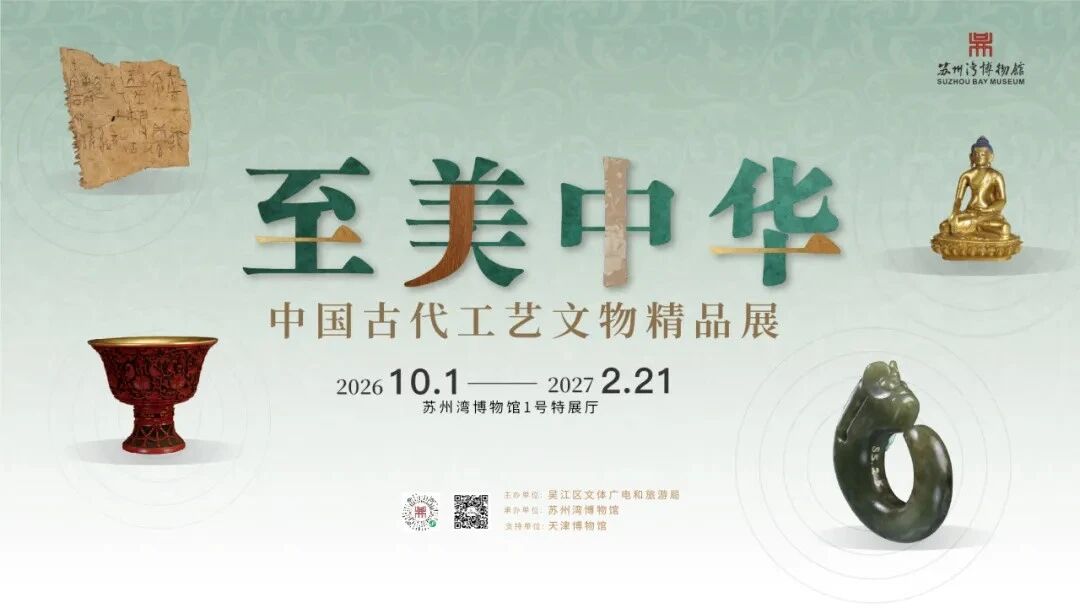
Exhibition of Masterpieces of Ancient Chinese Craftsmanship
-

Autumn Youth Art Salon Exhibition
-
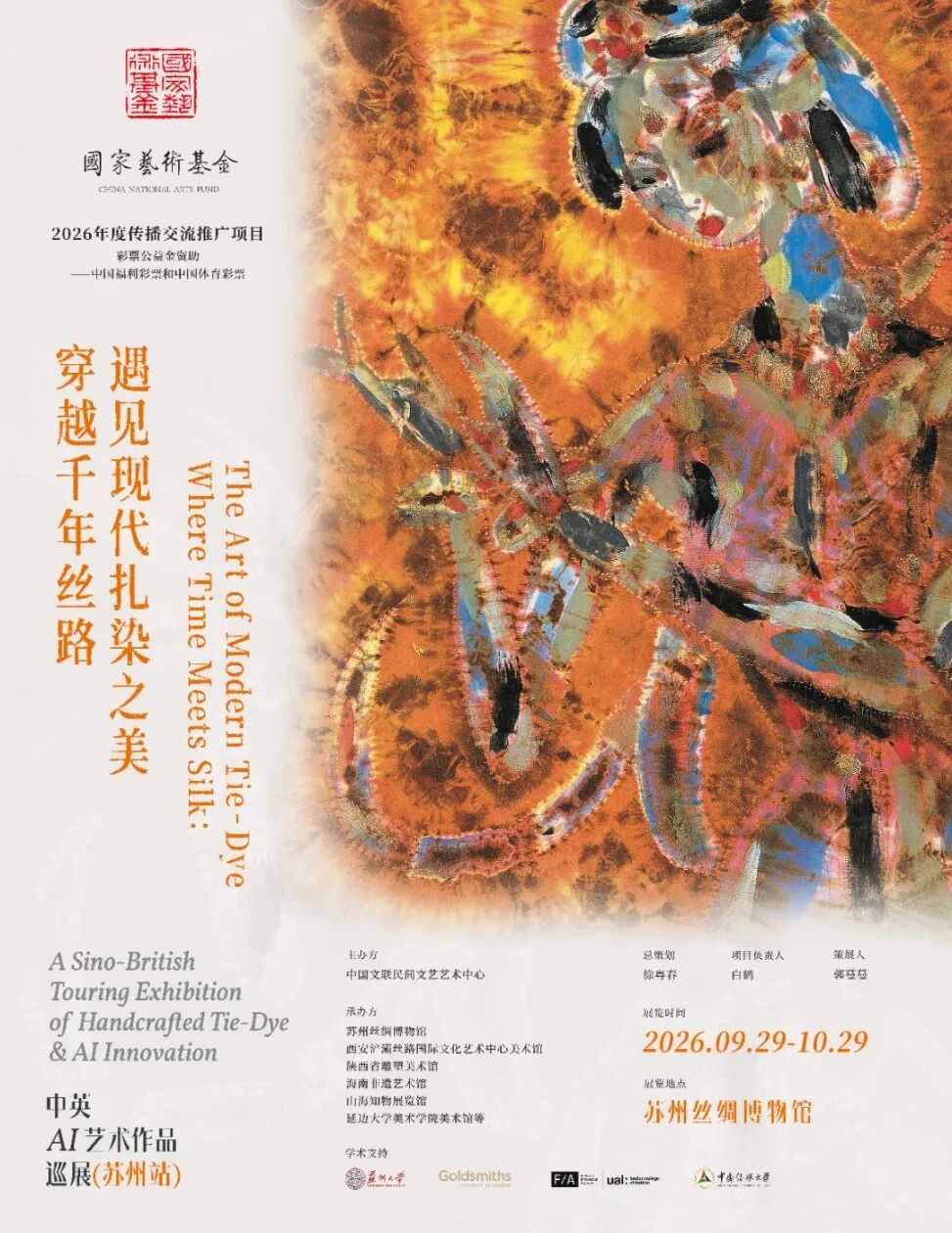
Sino-British Touring Exhibition of Handcrafted Tie-Dye & AI Innovation
-
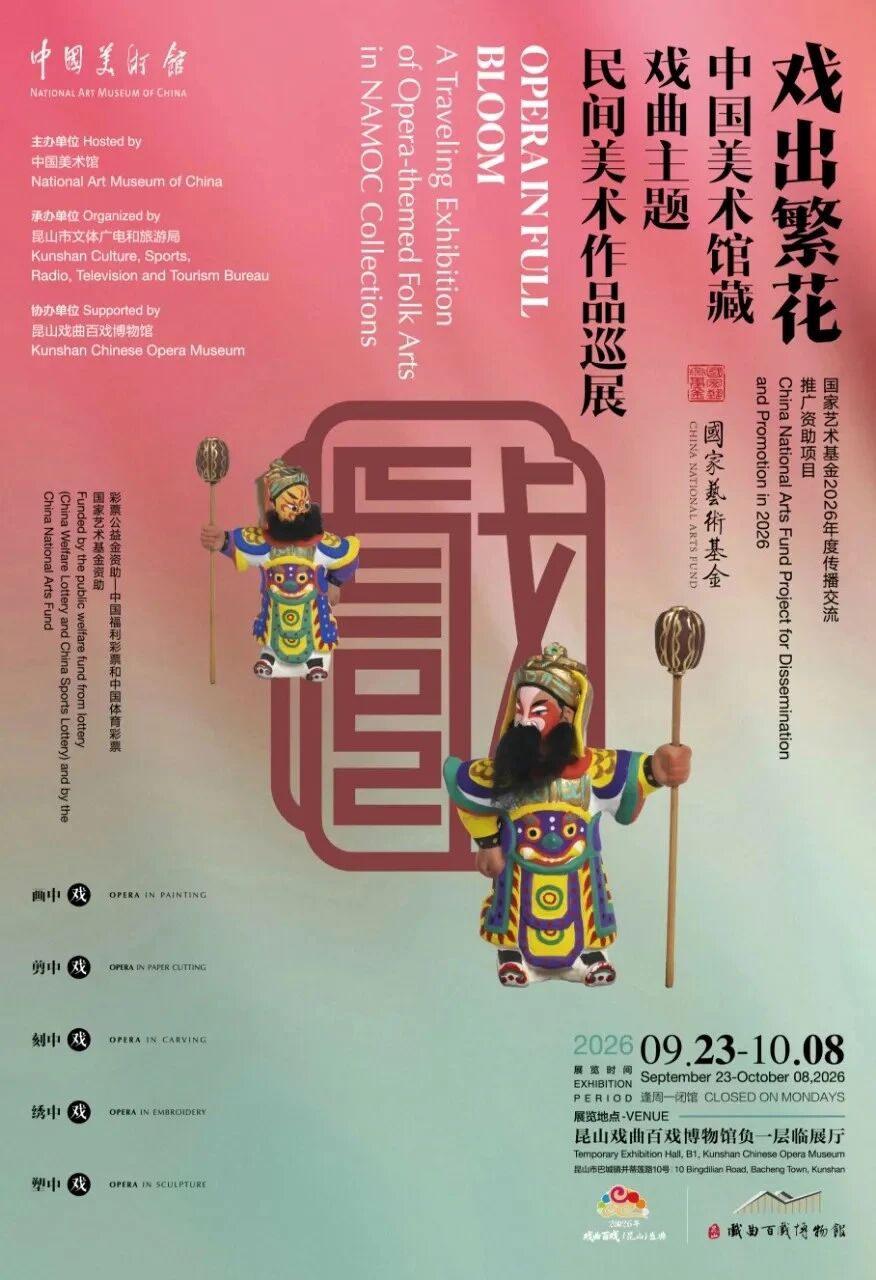
Exhibition of Opera-themed Folk Arts in NAMOC Collections
-
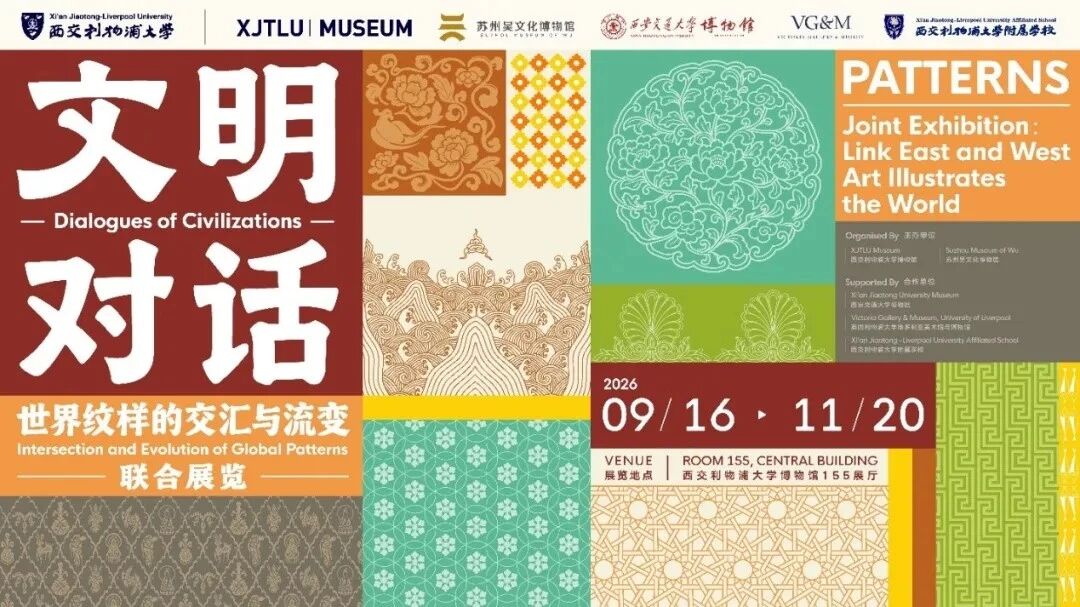
Exhibition of Intersection and Evolution of Global Patterns
Discover







 京公网安备11010802044359
Contact Us:86-10-58882453 86-10-58882413