
As Beijing's summer heat continues, the special exhibition at the Capital Museum remains as popular as ever. With support from the Embassy of Peru in China, the exhibition "Maize, Gold, Jaguars—A Grand Exhibition of Ancient Mayan and Andean Civilizations" has been enriched with 19 newly added treasures from Peru.
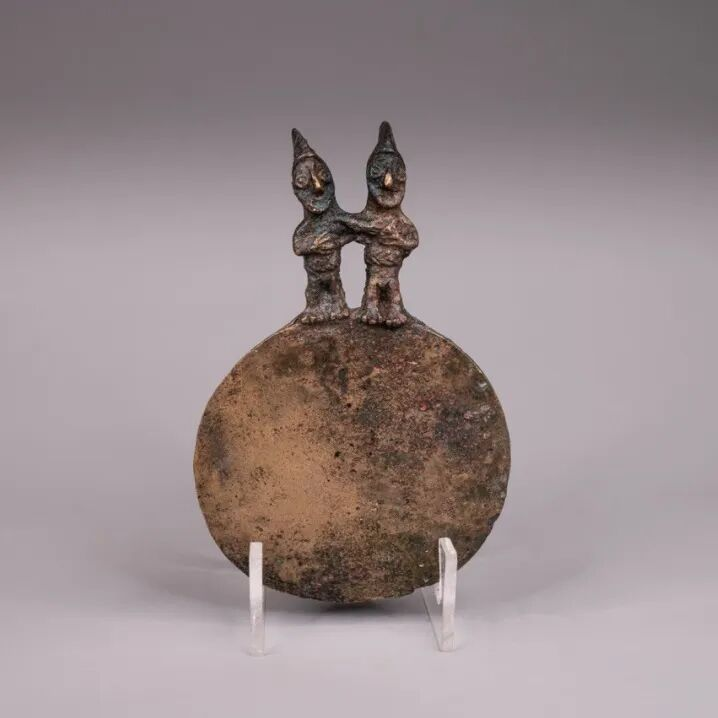
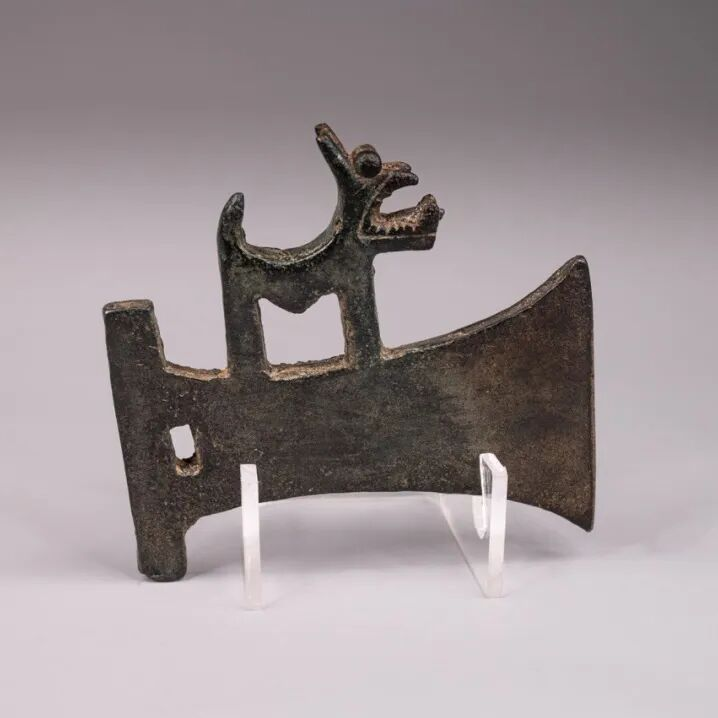
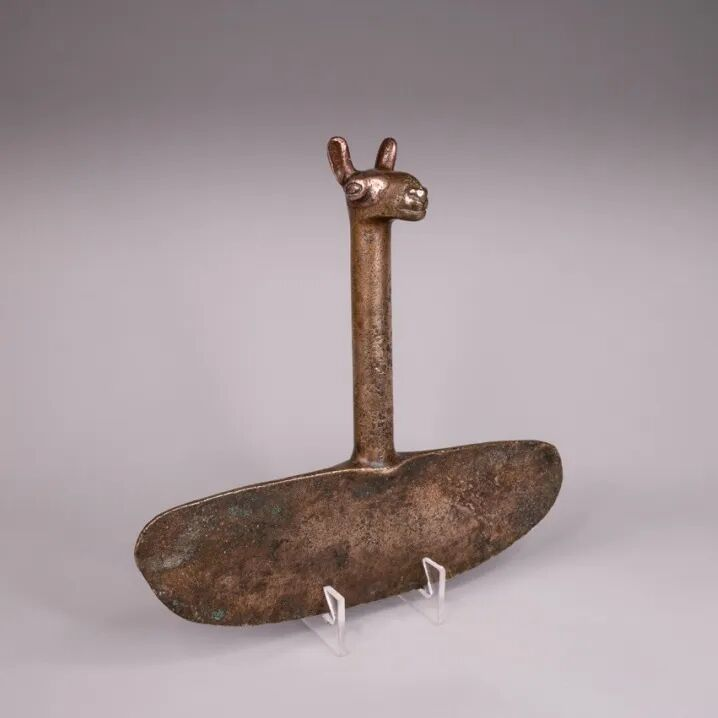
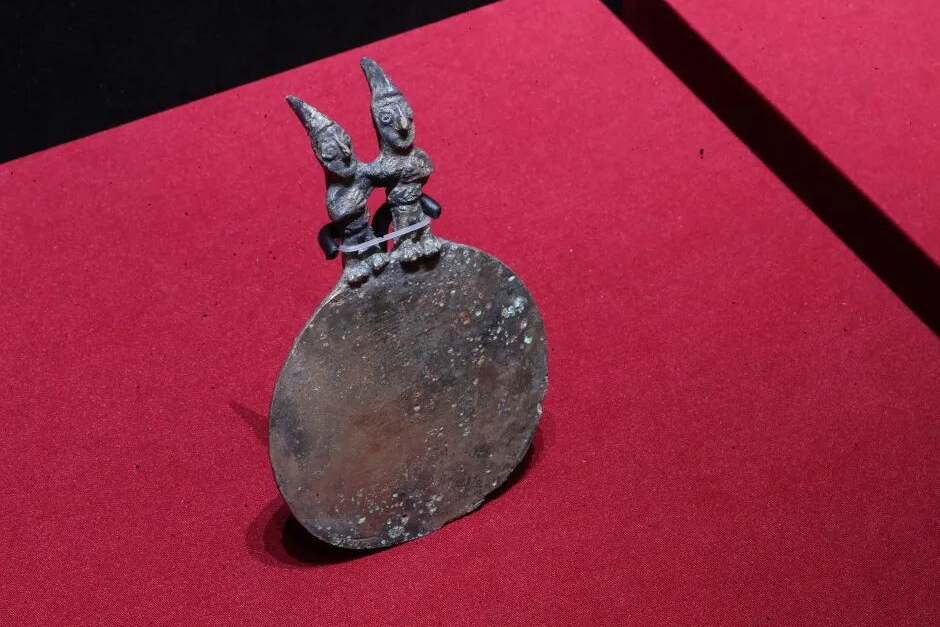
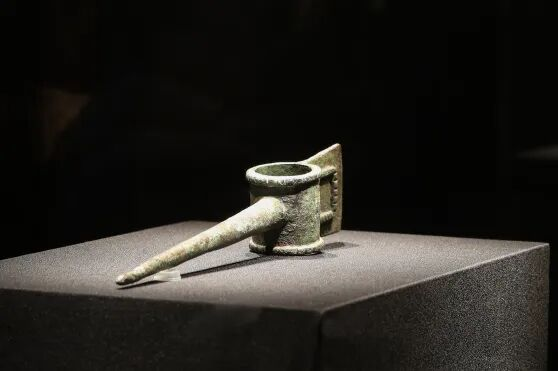
The newly added exhibits showcase a diverse range of artifacts, including ceramic vessels, metal ritual objects, stone artifacts, and lacquered wooden objects from the colonial period, representing the Chanapata, Wari, and Inca civilizations—three key periods in the development of ancient Andean culture. Together, they have further enriched the exhibition's presentation of ancient Andean culture. Fourteen of them are making their China debut. Let's take a look at some of the highlights.
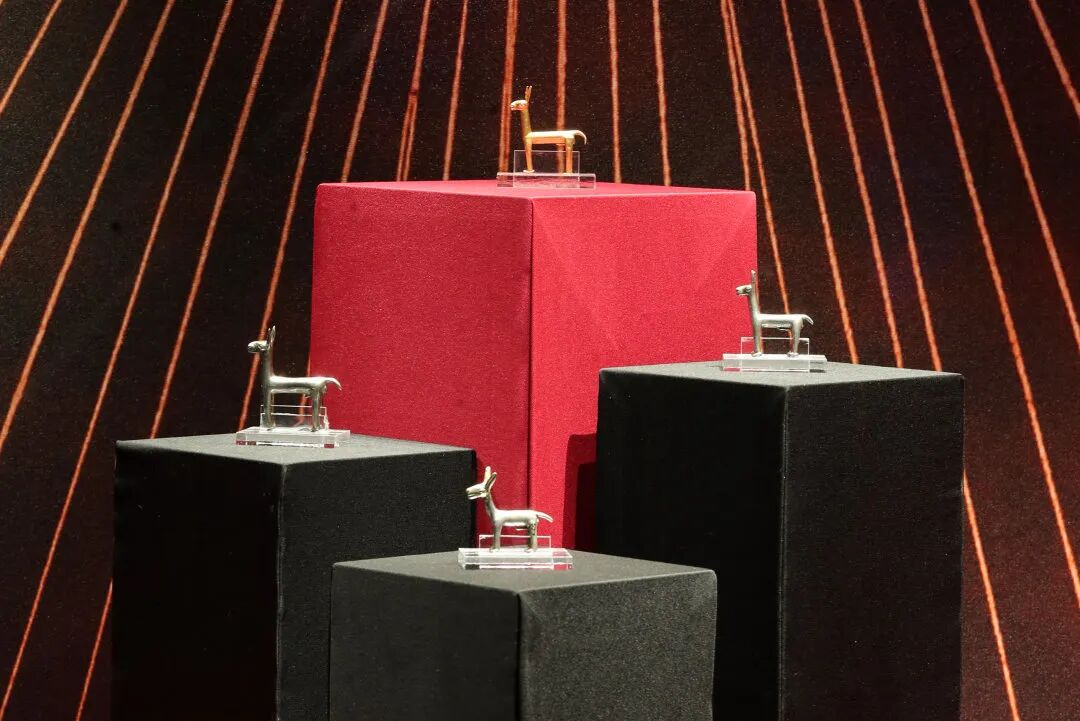
Today, alpacas are considered Peru's beloved national treasures. But back in the Inca Empire, they were the driving force of the economy and a religious icon.
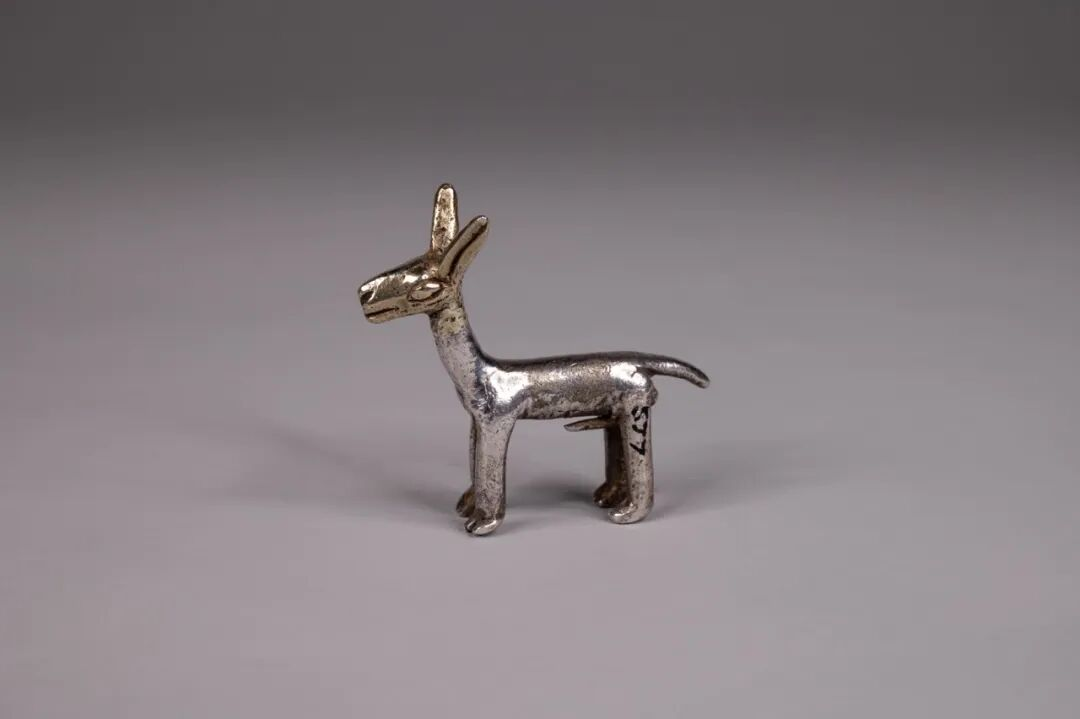
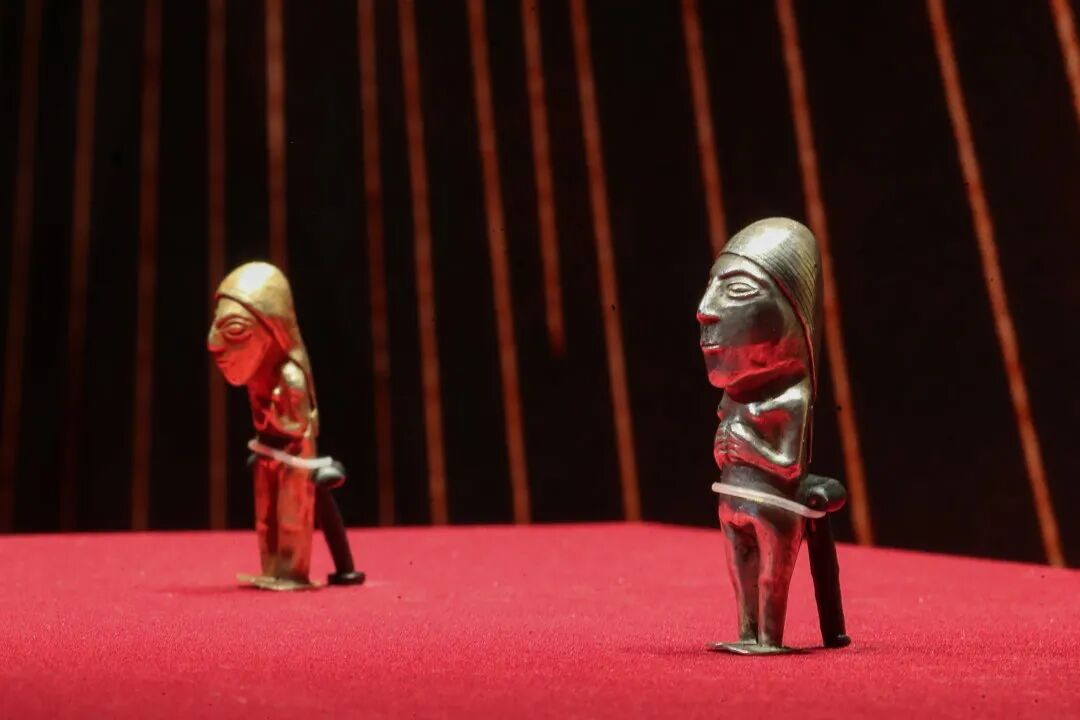
Among the new additions, three small gold and silver alpaca figurines are particularly striking. In Inca culture, gold was regarded as the sweat of the sun, while silver was seen as the tears of the moon. The newly added silver alpaca figurines, displayed alongside the existing gold figurine, highlight the symbolic duality of gold and silver in Inca belief, and offer a vivid insight into the spiritual foundations of Inca ritual traditions involving precious metals.
In the Inca Empire, a person's social status could often be identified by their clothing and accessories. Each of the newly added aristocratic ornaments served as a powerful symbol of rank and authority.
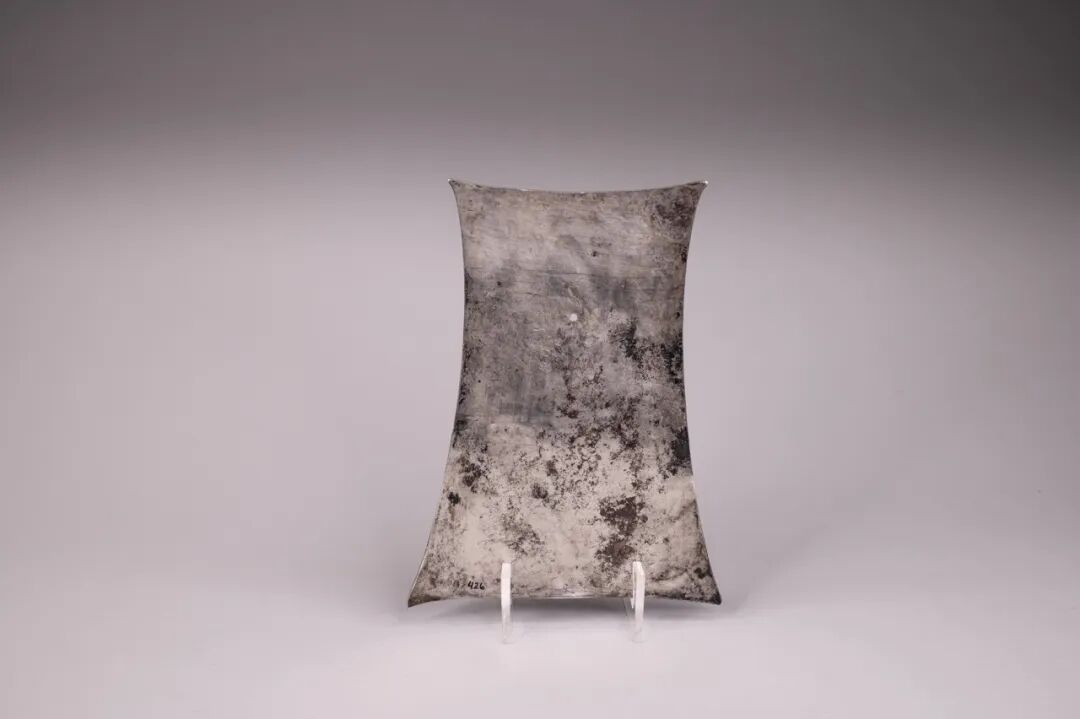
The silver forehead ornament, known as an "Aqorasi" in Quechua, was one of the most distinctive symbols of power among the Inca nobility.
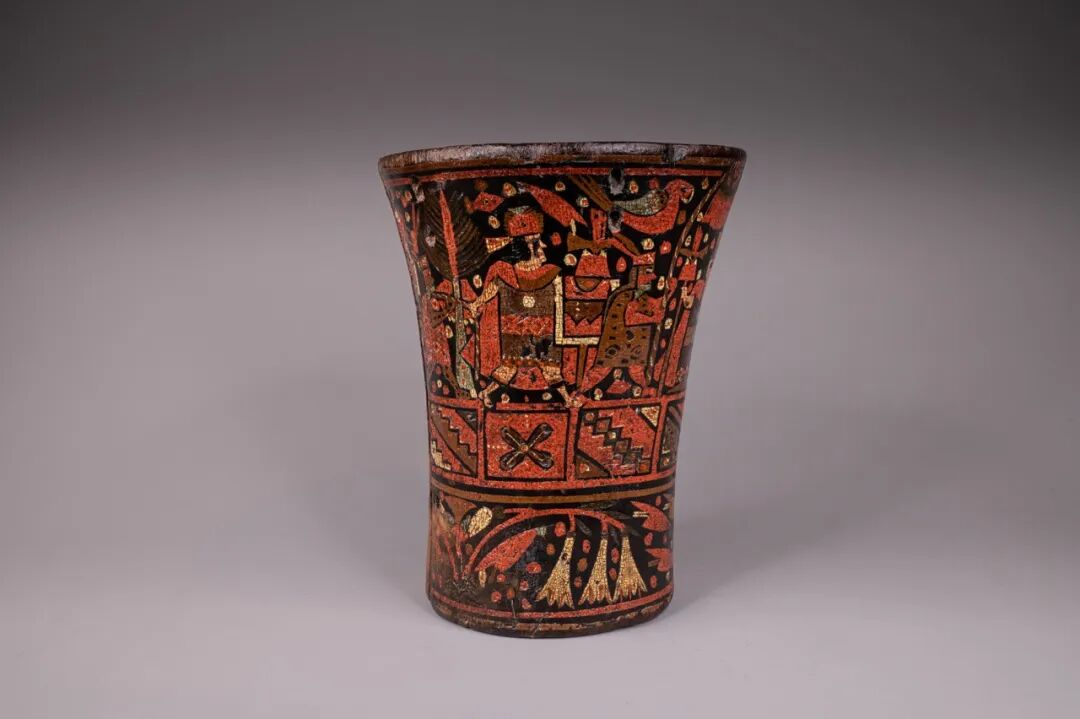
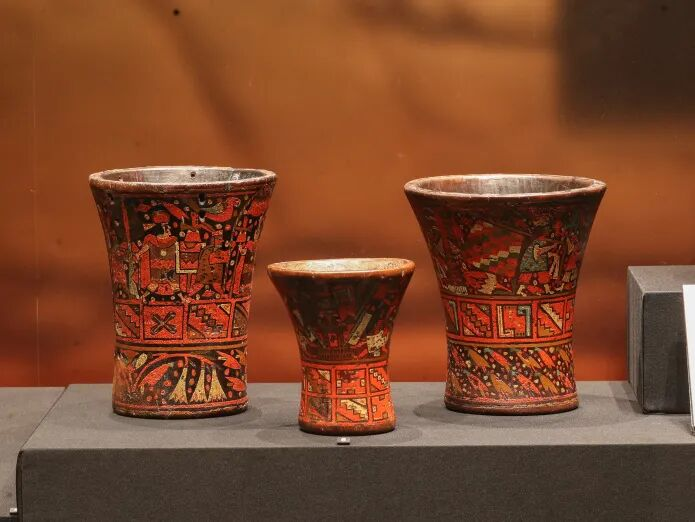
How important was maize to the Incas? They grew it, ate it, used it in ritual offerings, and brewed it into beer (chicha). The newly added urpu jars and kero cups were essential vessels for drinking and feasting in Inca society.
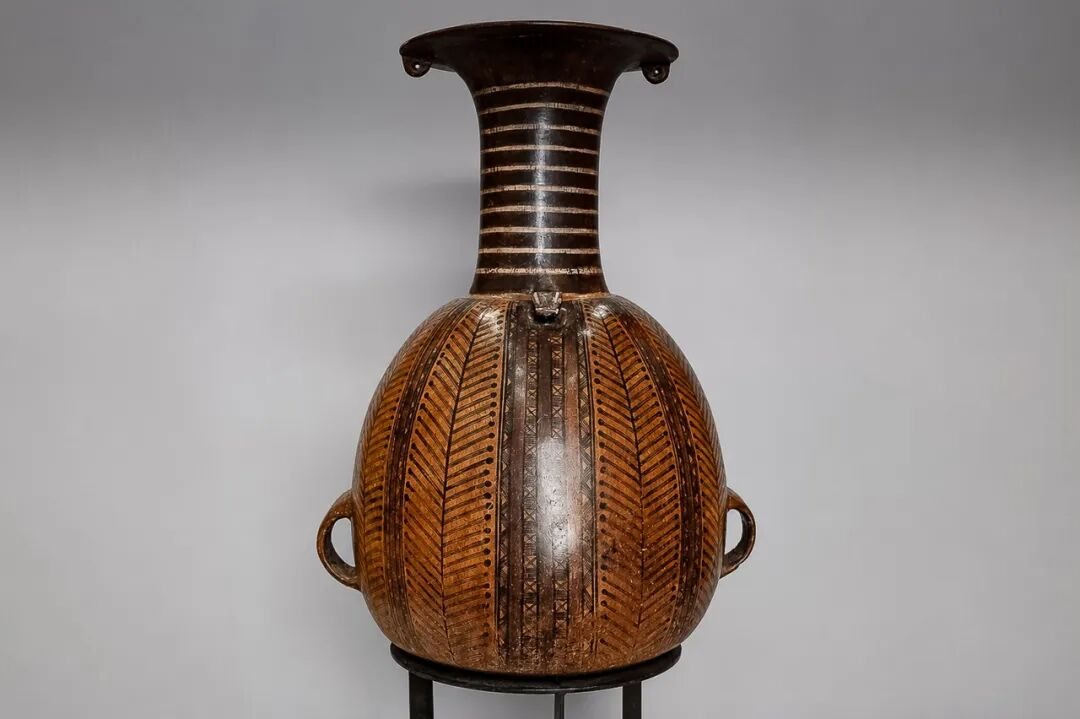
The urpu jar, also known as aryballo, has a distinctive long neck, rounded body and pointed base. It was one of the most recognizable standardized ceramic vessels of the Inca Empire, and was widely used to store and transport maize beer. The kero cup, meanwhile, was specially used for drinking maize beer during ceremonies.
Other notable additions include small gold and silver figurines associated with the Capacocha ceremonies.
Information
Maize, Gold, Jaguars—A Grand Exhibition of Ancient Mayan and Andean Civilizations
Exhibition Dates: May 18, 2026 to October 18, 2026
Venue: Halls A, B, M, and public spaces at Capital Museum
Source: Official WeChat accounts of the Beijing Municipal Cultural Heritage Bureau and the Capital Museum










 京公网安备11010802044359
Contact Us:86-10-58882453 86-10-58882413