


With the arrival of winter, mountain hiking has become a popular choice for people to connect with nature and improve their physical well-being. However, safety concerns such as slippery trails and low temperatures have drawn significant attention. Recently, sports medicine experts from Nanjing Medical University and the Suzhou Mountaineering & Outdoor Sports Association have provided specialized safety recommendations for winter hiking.
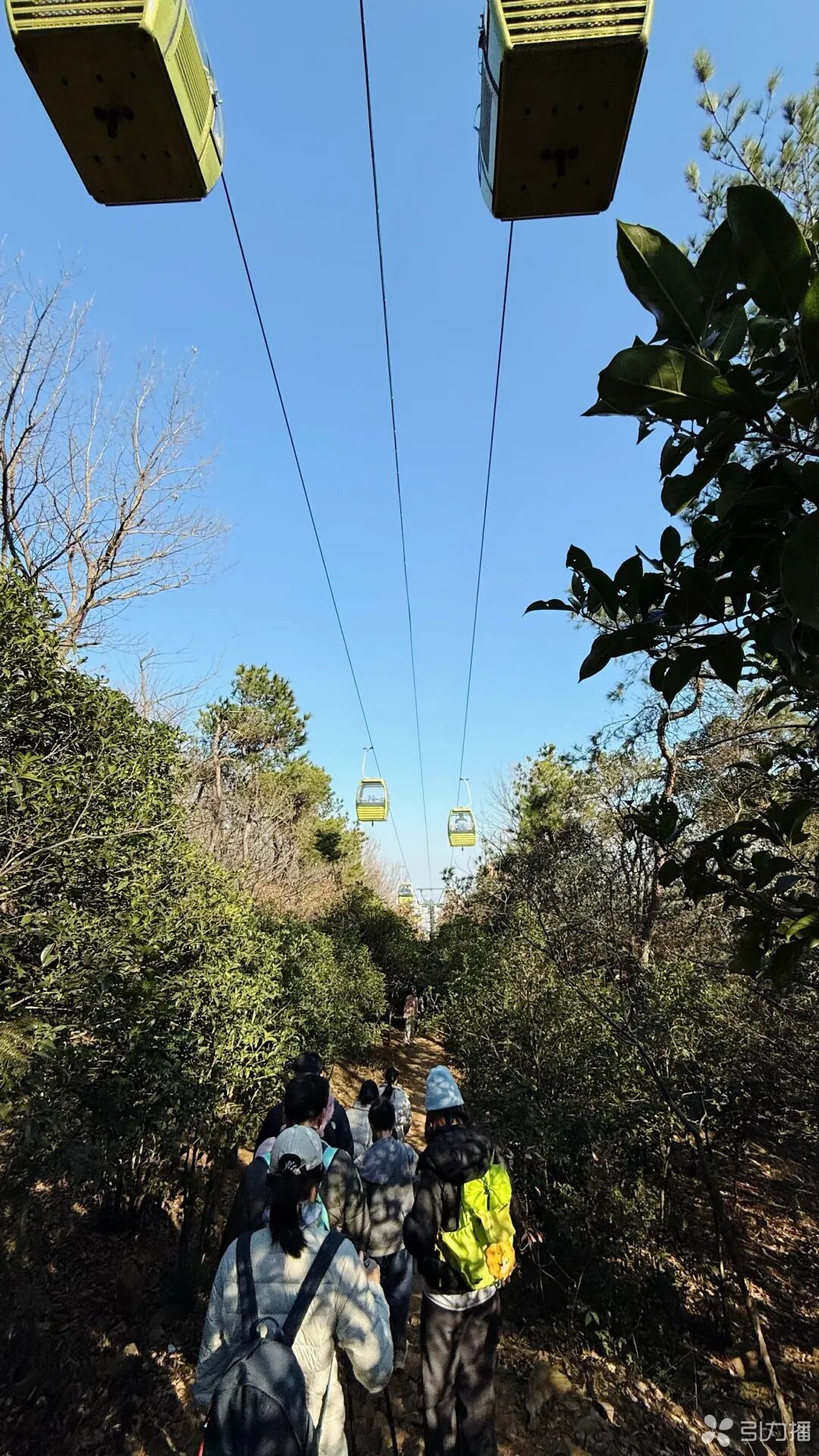
The ascending, breasting, and descending stages of hiking the mountain have distinct characteristics, and mastering scientific techniques can effectively prevent injuries.
Ascending requires coordination of the cardiovascular and musculoskeletal systems, with the key principle being maintaining precise rhythm and optimal force. During hiking, your heart rate should remain at 60 to 70% of your maximum heart rate. Use nasal-inhalation and oral-exhalation breathing to prevent breath-holding.
On paved stone steps, take small steps to step firmly on the first third of the stone steps, with knees slightly bent (not locked) and the upper body leaning forward to utilize gravity for efficiency. Pause briefly every 100 steps to prevent knee hyperextension and cartilage wear.
On gentle dirt slopes, widen the stride slightly beyond shoulder width and land with the full foot to enhance traction. Use the calf muscles and glutes to reduce knee strain.
On steep trails, follow the "look one step, move half step" rule: confirm foothold stability before stepping, and use hands for balance if necessary. Make sure the backpack fits snugly to minimize sway, and avoid long leaps to prevent muscle strains.

Upon reaching the summit, avoid prolonged sitting or excessive water intake immediately. Instead, you should first walk slowly for 5 minutes to stabilize your heart rate, then replenish fluids with warm water in small amounts (100-150ml per intake) at intervals. In windy conditions, wrap up warm promptly to prevent vascular constriction and subsequent headaches. While gazing at distant landscapes can relieve eye strain, it's essential to stay clear of cliff edges or other hazardous areas.
When descending on paved stone steps, maintain a step length reduced to 60% of normal walking stride, land on the forefoot first to absorb impact, and keep knees slightly bent at all times. Wearing knee braces can offload 30% of joint pressure, while using trekking poles creates a "tripod support" for stability.
For gentle dirt slopes, engage the core muscles to stabilize the torso, and utilize natural surface protrusions to decelerate. Sliding or running is strictly prohibited.
On rugged, rocky, uneven trails, avoid sharp stones and loose tree roots, shift your center of gravity slightly backward, and move sideways for steep sections.
In terms of equipment, you should prioritize selecting anti-slip mountaineering boots paired with crampons, and wear waterproof and breathable hiking jackets and pants along with warm inner layers. Waterproof gloves, ear-protecting hats, and gaiters should also be carried, and the tips of trekking poles should be replaced with ski pole tips to enhance support.
Regarding route selection, avoid shaded slopes, steep inclines, and other sections prone to icing. Prioritize sunny, open, and well-formed snow trails. Before departure, be sure to check weather forecasts and park closure notices, and inform family or friends of the planned route and expected return time. Emergency supplies should include sufficient warm blankets, body warm patches, a first aid kit, and high-energy snacks. Ensure communication devices remain fully charged. If you encounter excessively deep snow or severe ice conditions, turn back promptly.
Source: Yinlibo


 京公网安备11010802044359