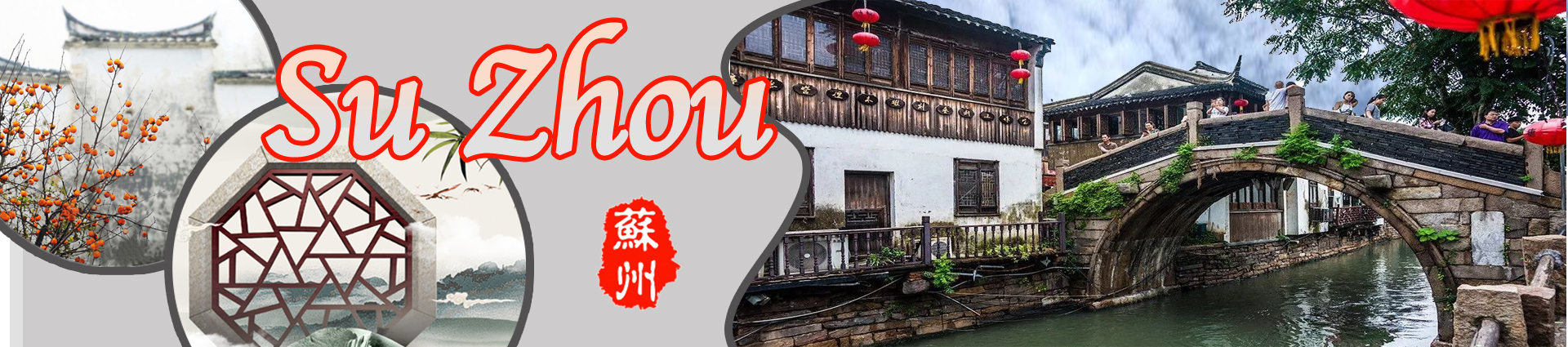
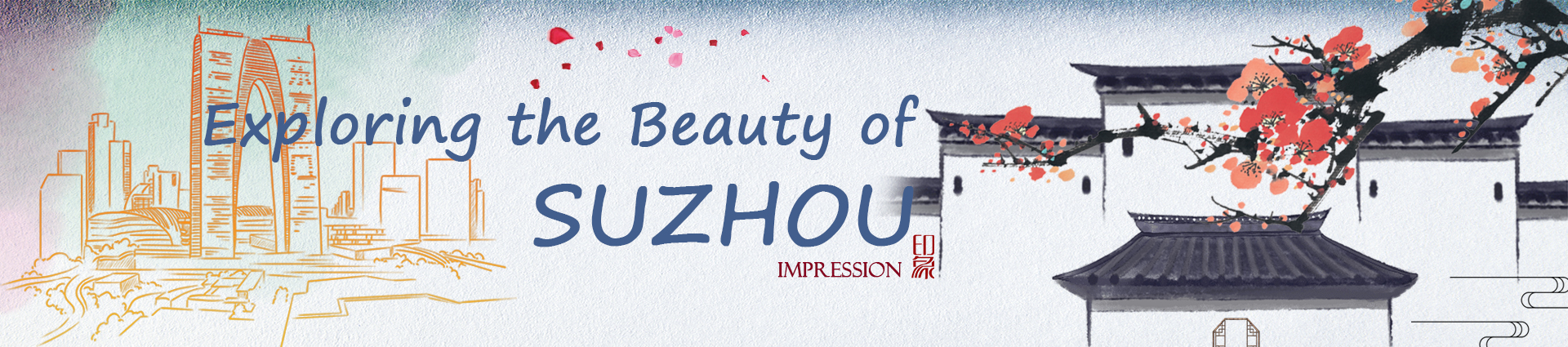
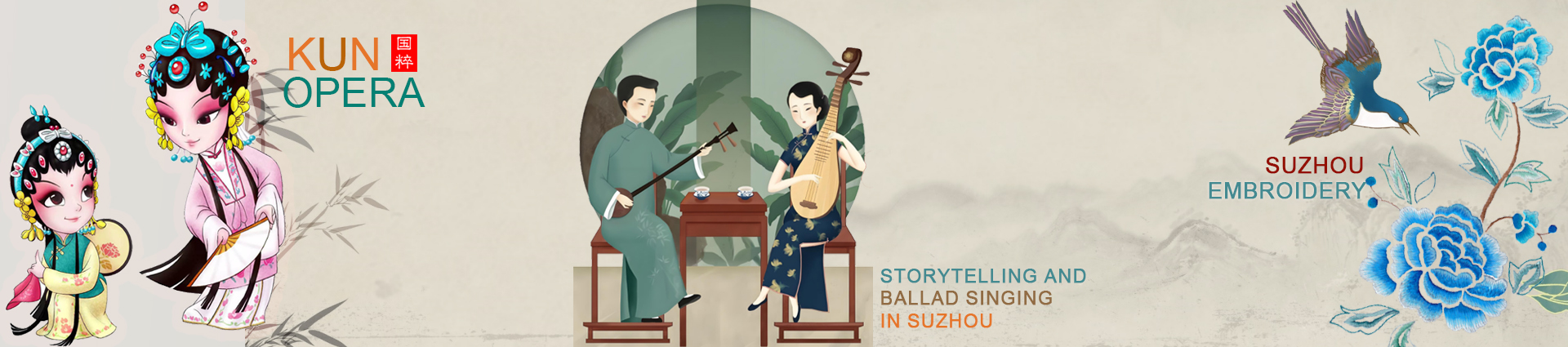
With rich cultural heritage, distinctive cultural appeal and outstanding cultural achievements, Suzhou has been awarded the title of "Culture City of East Asia 2026" recently. The honor not only represents recognition of Suzhou's efforts in preserving and innovating its cultural legacy, but also marks a new chapter for the millennia-old city as it plays a more active role in cultural exchange and cooperation across East Asia.
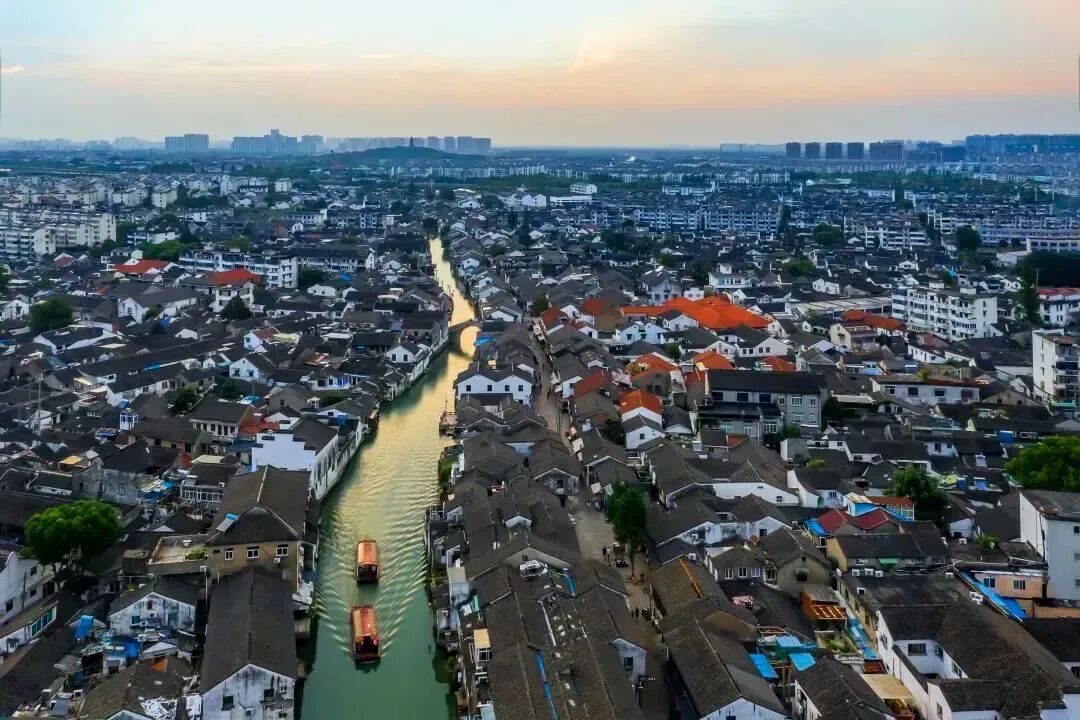
Suzhou is one of China's first national historical and cultural cities. Its ancient city area, the largest and best-preserved one across the country, has remained on its original site for 2,540 years and still maintains its unique double-chessboard layout, in which waterways run parallel to roads and canals sit alongside streets.
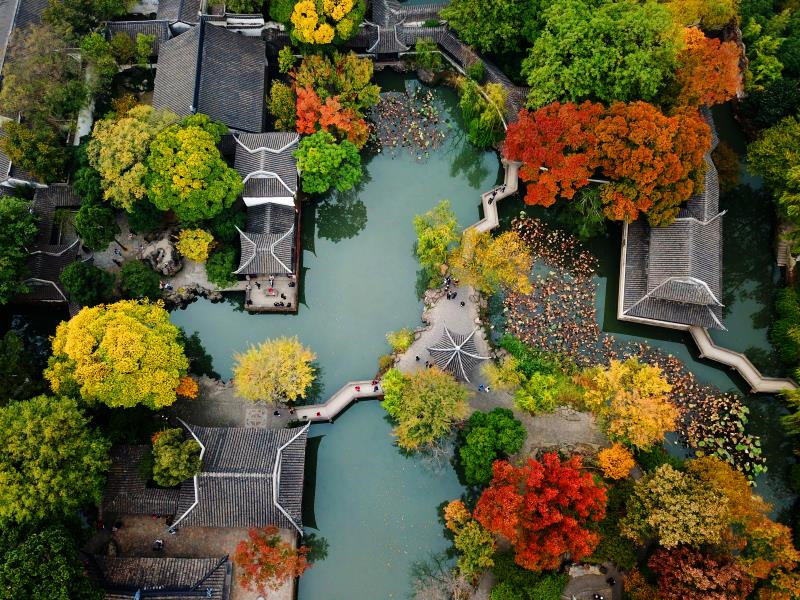
Acclaimed as the "City of One Hundred Gardens" and the "City of One Hundred Museums," Suzhou boasts two World Cultural Heritage sites and eight items listed as the Intangible Cultural Heritage of Humanity. Suzhou classical gardens, which incorporate the Eastern wisdom of "man is an integral part of nature," have a great influence on the world. Handicrafts such as Suzhou embroidery and jade carving and traditional art forms like Kunqu opera and pingtan have been passed down through generations and revitalized in contemporary times. Before being honored as "Culture City of East Asia," Suzhou had already been named the "City of Crafts and Folk Art" by the UNESCO and the world's first "World Heritage Model City."
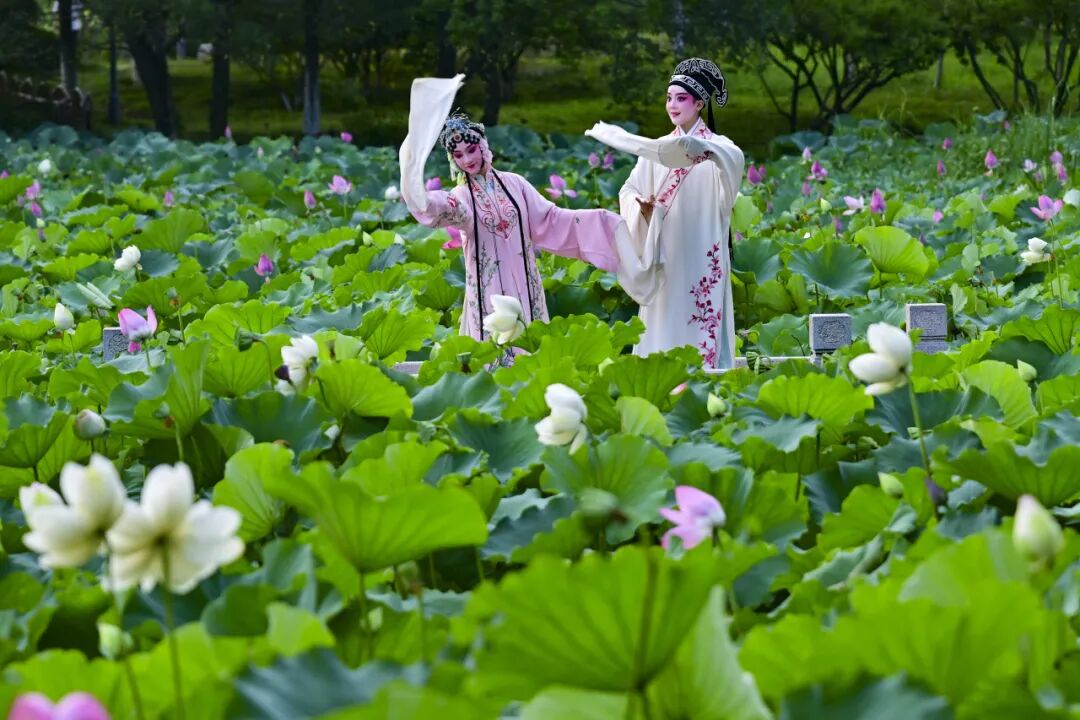
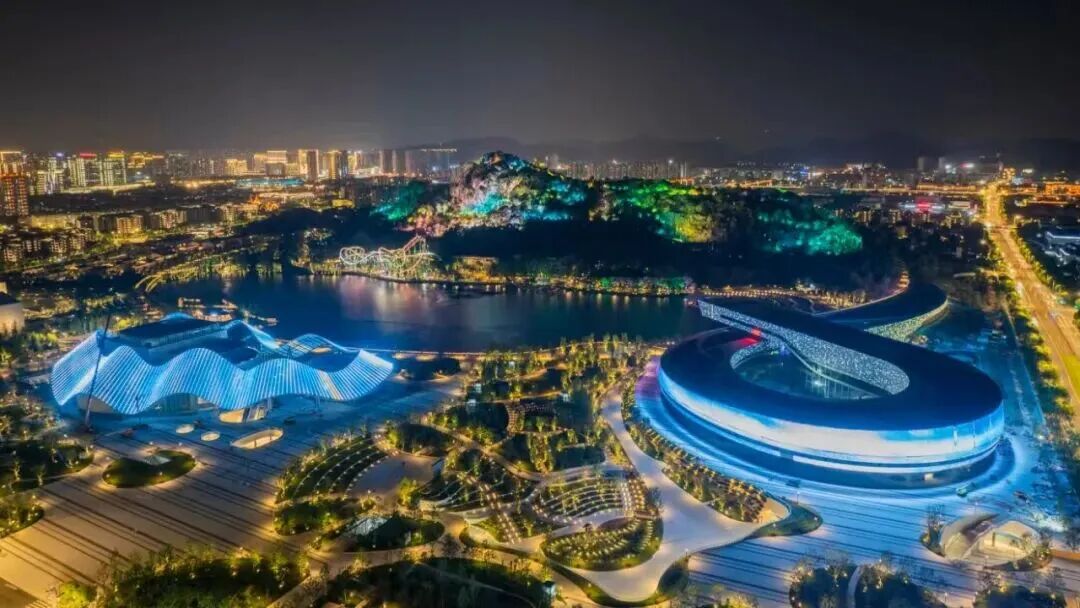
In recent years, Suzhou has witnessed the high-quality development of its cultural sector and vigorously promoted the brand of "Jiangnan Culture." A number of modern cultural venues, including Shishan Cultural Square and Suzhou Bay Cultural Center, have sprung up; cultural events such as Jiangnan Culture and Arts & International Tourism Festival, Yangtze River Cultural Festival and Kunshan Opera Gala have taken root. As a result, the city's cultural soft power and international influence continue to rise.
Suzhou has been a key city for global cultural exchange since ancient times. Today, it continues this tradition by actively building a cultural network that connects East Asia with an open and inclusive approach. So far, Suzhou has established sister-city relationships with 21 cities in East Asia. By hosting a wide range of international cultural events, such as the Belt and Road Cultural Festival and Suzhou International Design Week, the city has forged closer ties with East Asian countries and the world.
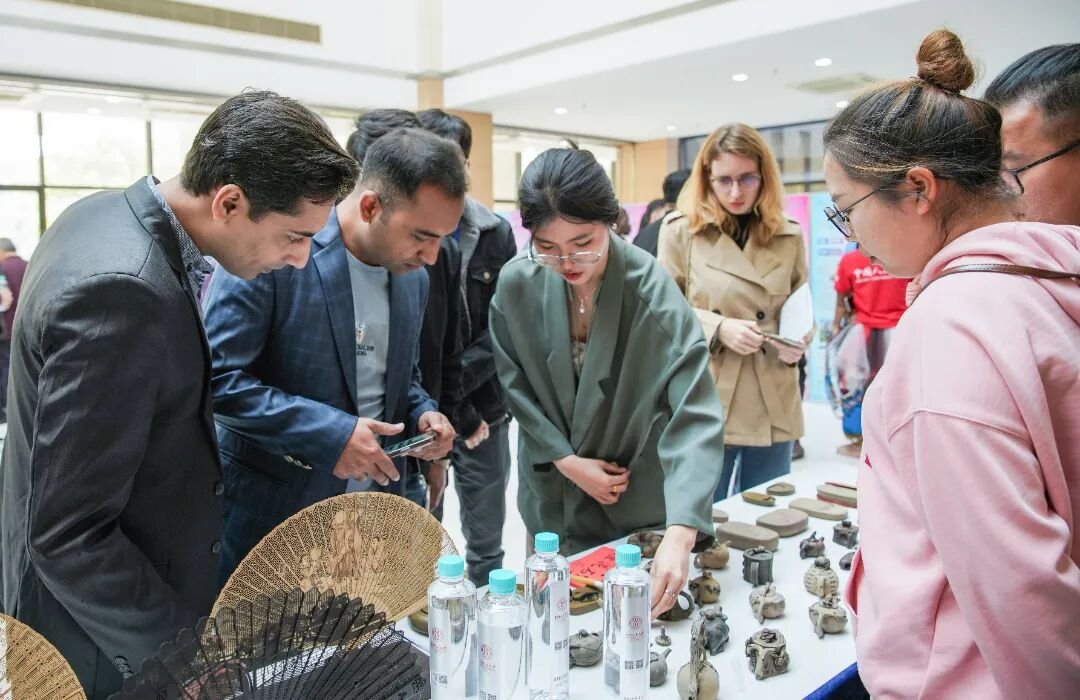
Going forward, Suzhou aims to leverage the title of "Culture City of East Asia" and deepen mutual learning and exchange in culture with other cities. With more cultural activities scheduled to take place, it will build bridges for cultural dialogue across East Asia and contribute to the shared cultural prosperity in the region.
Source: Suzhou News


 京公网安备11010802044359