

Children's Education

Introduction of Yali High School International Department (YLID)
In 2011, the 105th anniversary of Yali High School, to promote the internationalization process of Yali education,to further the diversified development of high school education and to meet the educational needs of different candidates, Yali High School established the International Department. ...
Changsha


(Changsha)Ningxiang Country Garden School
Ningxiang Country Garden School was founded in 2014. The founder, Mr. Yang Guoqiang, with a strong sense of national pride and a high sense of social responsibility, cared about education and aimed to build a nation for the future. ...
Changsha

(Changsha) Cogdel Cranleigh School, Changsha
Cogdel Cranleigh School Changsha is dedicated to developing young learners’ conceptual understanding of knowledge and skills in empathy and critical thinking. ...
Changsha

Changsha WES Academy
Changsha WES Academy is located in Changsha city, Hunan Province, and was founded in 2010. It was jointly established by the Changsha National Economic and Technical Development Zone Administrative Committee and WES Group of Singapore. ...
Changsha
Higher Education
China丨'Study in China' brand gaining traction, attracting intl talent
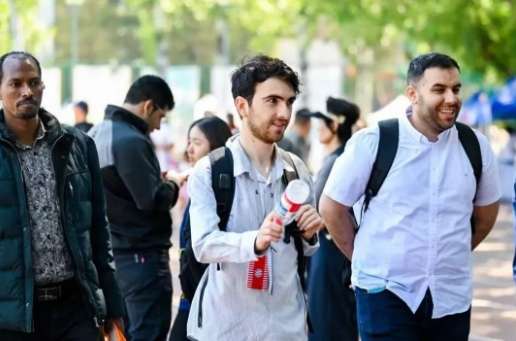
"Study in China" has emerged as a globally recognized brand, with Chinese language instruction now incorporated into the national education systems of 92 countries and the number of international students on Chinese campuses rising rapidly, Minister of Education Huai Jinpeng said on Thursday. ...

Changsha Institute of Technology
Situated in Wangcheng District, Changsha, the Changsha Institute of Technology is an application-oriented public undergraduate university approved by the Ministry of Education. Its precursor is the Shuda College of Hunan Normal University. ...
Changsha

Central South University of Forestry and Technology
Founded in 1958, Central South University of Forestry and Technology (CSUFT) is located in Changsha, the capital city of Hunan Province in central-south China, known for its rich history and culture. ...
Changsha

Hunan Normal University
Founded in 1938 and located in Changsha, a famous historical and cultural city, Hunan Normal University (HNNU) was admitted into the '211 Project' and is listed as a National 'Double First Rate' University and as a 'Double First Rate' University emphatically constructed jointly by China's Ministry o ...
Changsha

Hunan University
Hunan University (HNU) is situated in Changsha, a renowned historical and cultural city. It is adjacent to the rippling Xiangjiang River on its front and picturesque Yuelu Mountain at its back. ...
Changsha
Chinese Language & Culture
Double Ninth Festival
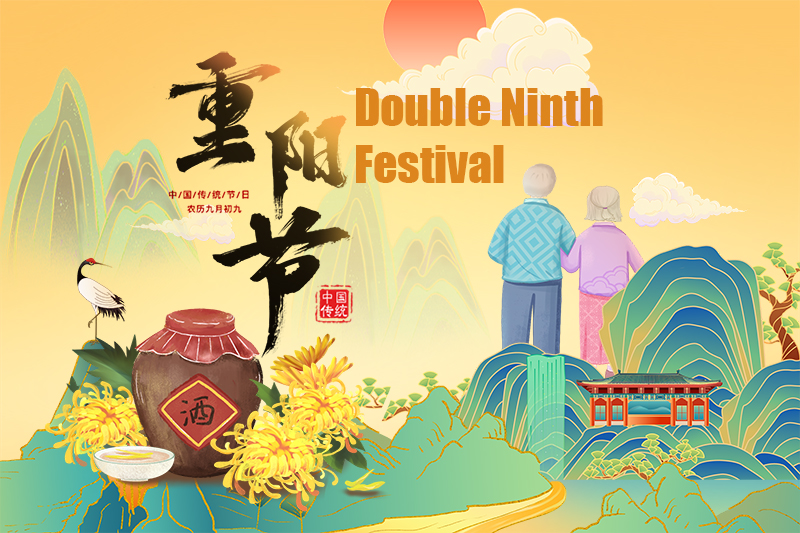
The Double Ninth Festival, also known as the Chongyang Festival, falls on the ninth day of the ninth month of the Chinese lunar calendar. In Chinese folklore, the number nine is the largest digit and is a homonym for the word jiu, which carries the auspicious meaning of “a long and healthy life.” ...
Cold Dew
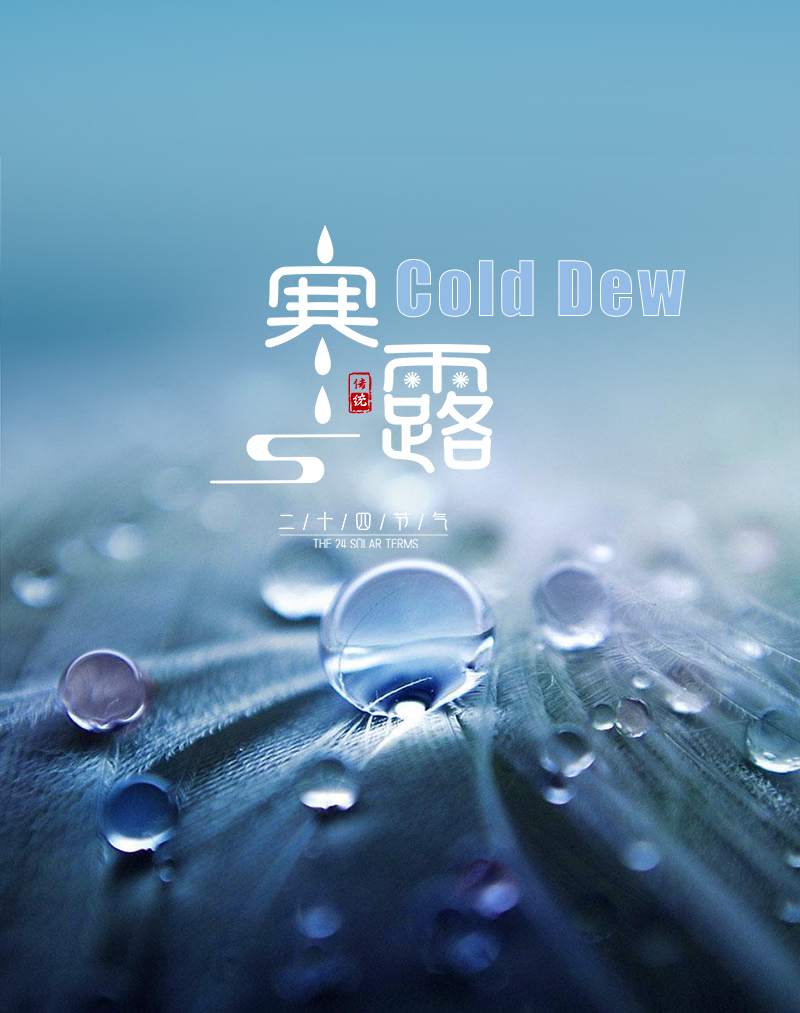
Cold Dew, or Hanlu, is the 17th of China‘s 24 solar terms. It begins around October 8 and ends around October 22 each year. It is the first solar term to feature the character han (寒), meaning “cold,” marking the shift from cool to cold weather. ...
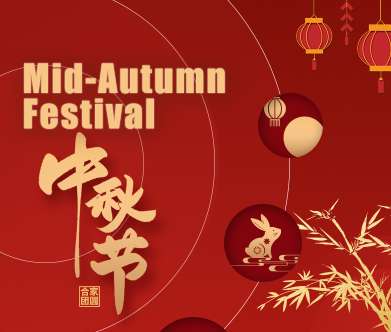
Mid-Autumn Festival
The Mid-Autumn Festival, also known as the Moon Festival, is one of the most important traditional Chinese festivals, second only to the Spring Festival (Chinese New Year). ...
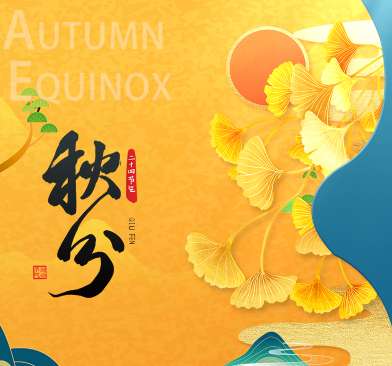
Autumn Equinox: A Comprehensive Introduction to the 16th Chinese Solar Term
Autumn Equinox (Qiufen), the 16th solar term of the year, is the fourth solar term of autumn. It falls between September 22 and 24 each year when the sun reaches the celestial longitude of 180 degrees. ...
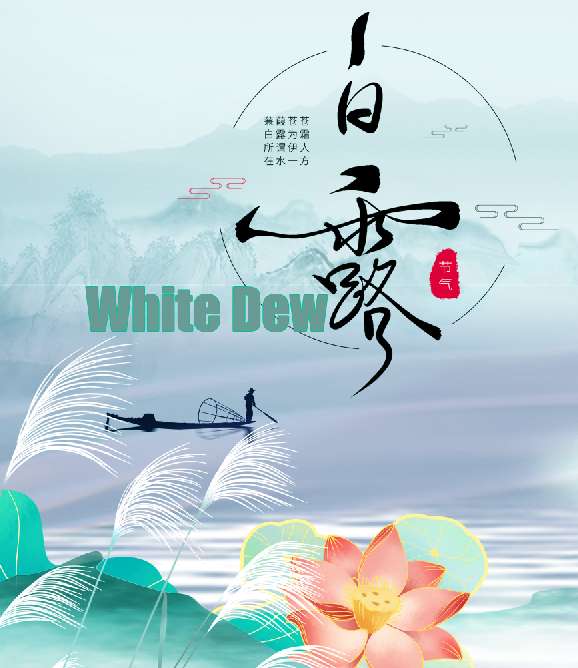
White Dew (Bailu)
The traditional Chinese solar calendar divides the year into 24 solar terms. White Dew (Bailu) is the 15th solar term of the year. It usually begins around September 7 or 8 and ends around September 21 or 22. ...


 京公网安备11010802044359