
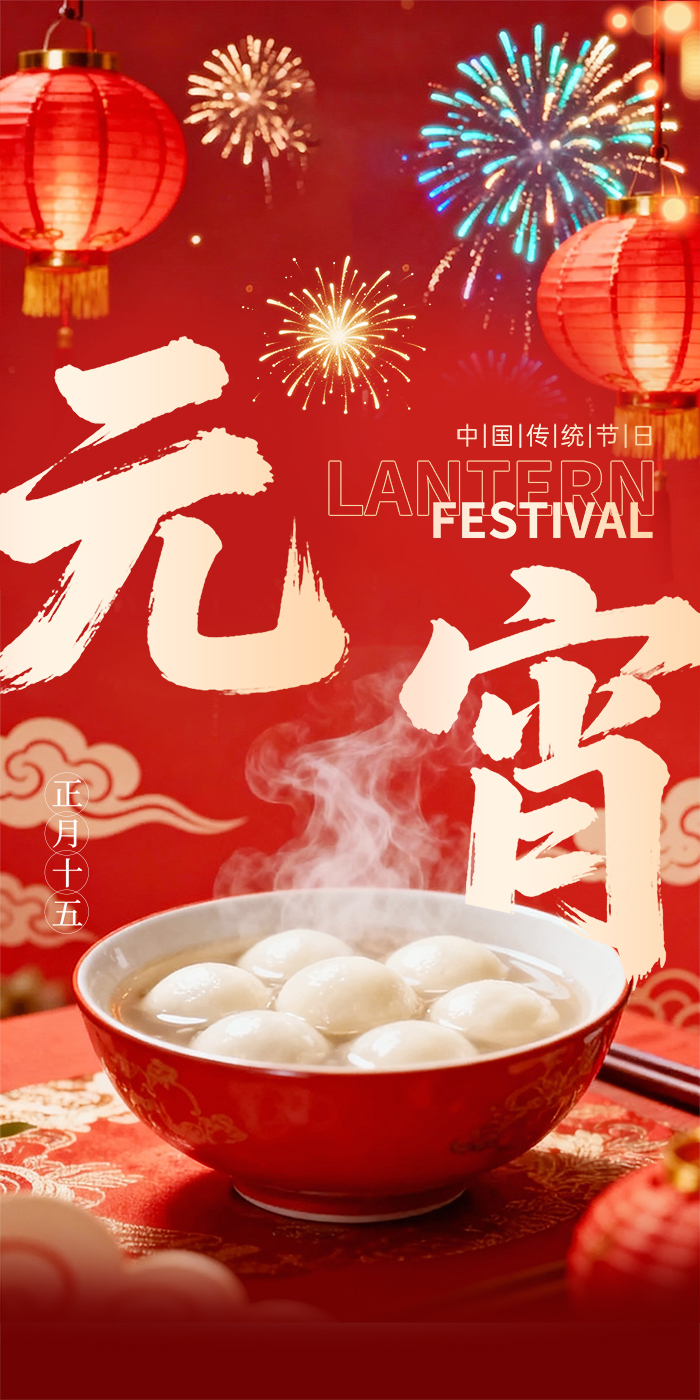
The Lantern Festival, also known as Yuanxiao Festival, is celebrated on the 15th day of the first lunar month, marking the culmination of the Chinese New Year celebrations. It is a festival centered around family reunions, joy, and community participation, with several key traditions that have been passed down for about a millennium.
Primary Traditions
Eating Yuanxiao or Tangyuan: The festival's name derives from this central food item. Yuanxiao (common in northern China) and Tangyuan (common in southern China) are glutinous rice balls typically filled with sweet ingredients like sesame paste, red bean paste, or crushed peanuts. Their round shape symbolizes family unity, completeness, and happiness. They can be boiled, steamed, or fried.
Viewing Lanterns: A defining activity of the festival involves the display and appreciation of colorful lanterns. These lanterns, often intricately designed in shapes of animals, flowers, or historical figures, are hung in homes, streets, and public parks, creating a vibrant and festive atmosphere. Special lantern fairs or temple fairs are common venues for this activity.
Guessing Lantern Riddles: This intellectual game is an integral part of the lantern displays. Riddles are written on slips of paper and attached to the lanterns. Visitors who solve the riddles can claim small gifts from the lantern owners. This tradition, which originated in the Song Dynasty (960–1279), adds an element of fun and mental challenge to the celebrations.
Lion and Dragon Dances: These dynamic performances are held to bring good luck and ward off evil spirits. In the lion dance, performers mimic a lion's movements inside a stylized costume. The dragon dance involves a team of people manipulating a long, serpentine dragon puppet on poles. Both dances are accompanied by vigorous drumming and music, contributing to the festival's lively and communal spirit.
Other Common Activities
Several other traditional performances and customs are often observed during the festival, enriching the celebratory experience:
- Walking on Stilts
- Land Boat Dancing (a performance simulating boating on land)
- Yangko Dance (a traditional folk dance)
- Setting off Fireworks


 京公网安备11010802044359