

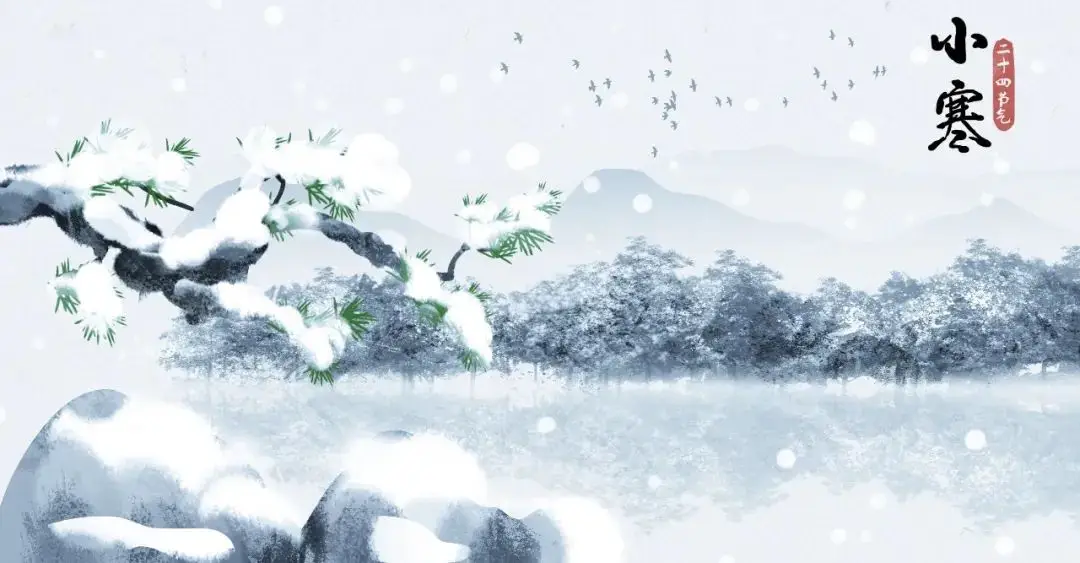
Minor Cold is the 23rd solar term of the 24 traditional Chinese solar terms, begins this year on Jan 5 and ends on Jan 20. For most areas of China, it marks the start of the coldest days of the year.
There is an old saying in China that goes, "The days of the Sanjiu period are the coldest days." The "Sanjiu period" refers to the third nine-day period after the day of the Winter Solstice, which happens during Minor Cold. In fact, Minor Cold is normally the coldest period of winter.
According to China's meteorological records, North China is already in the coldest period of the year, as proved by the saying "Minor Cold is even colder than Major Cold". However, for most of the southern regions, the annual minimum temperature still falls during the Great Cold.
For Chinese people, this time of year also sees preparation for the most important festival of the year: the Spring Festival. The last lunar month, also known as “Layue” usually begins around Minor Cold.
The three pentads of Minor Cold
The first pentad:
Wild geese start to return to the north
Wild geese that winter in the south would leave the warmest habitat and migrate northward in groups during Minor Cold.
The second pentad:
Magpies begin to nest
The magpies that are commonly seen in northern China would begin building nests for new fledglings.
The third pentad:
Pheasant starts to crow
During Minor Cold, pheasants would crow in search of a mate.
Traditional Customs Observed During Minor Cold
Stocking up for New Year
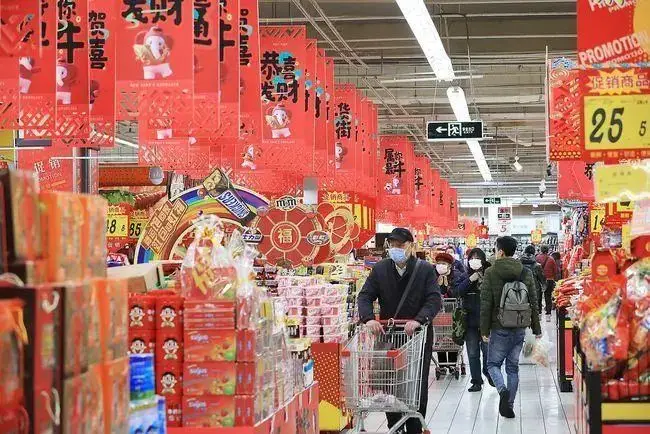
For Chinese people, this time of year also sees preparation for the most important festival of the year: the Spring Festival. The last lunar month, also known as “Layue” usually begins around Minor Cold. Bitter cold can't prevent people from enjoying their lives. Here are some things that help us stay warm during Minor Cold.
During Minor Cold, people start stocking New Year goods, which include Spring Festival couplets, New Year pictures, paper-cuts for window decoration, fire crackers, incense and lanterns.
Eating Huangyacai
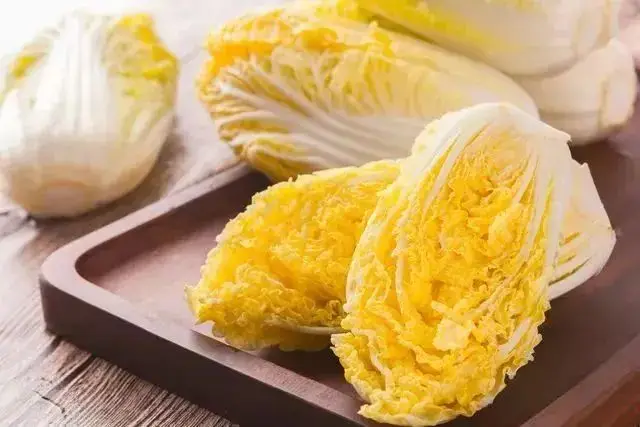
There is a custom for Tianjin citizens to eat Huangya cai, a kind of Chinese cabbage during Minor Cold. It tastes well after getting pickled which also makes up a lack of fresh vegetables in winter during that time.
There are large amounts of Vitamins A and B in huangyacai. As huangyacai is fresh and tender, it is fit for frying, roasting and braising.
Eating sticky rice
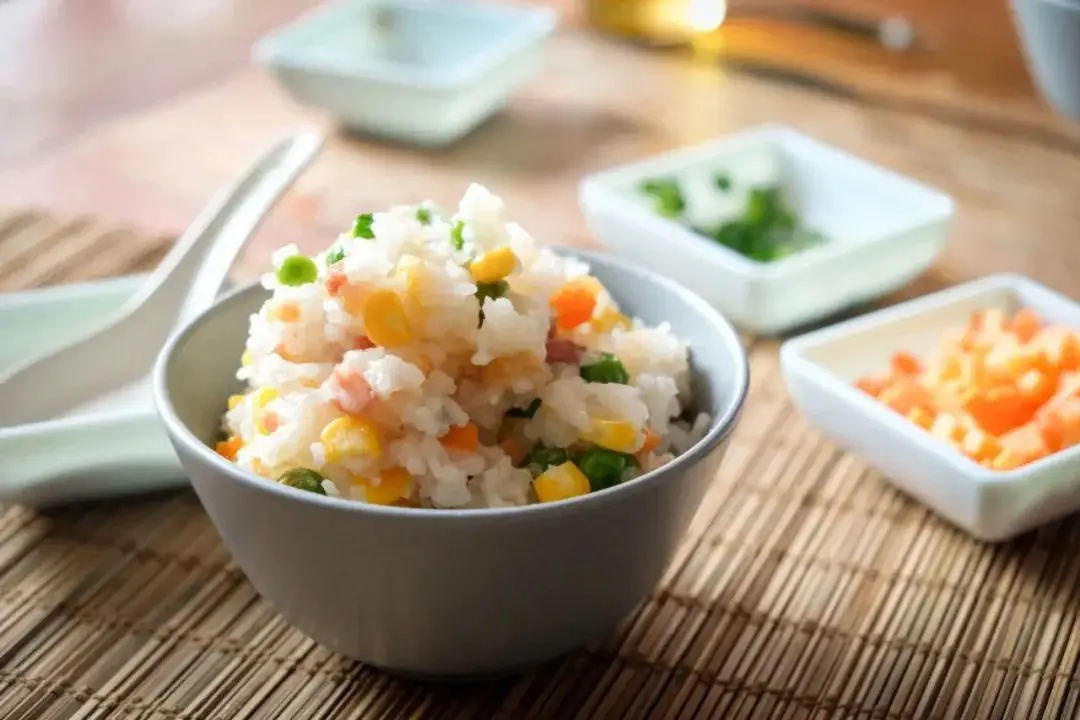
Having a bowl of sticky rice on the morning of Minor Cold is a tradition in Guangzhou, capital city of Guangdong Province. Fried preserved pork, sausage and peanuts are usually chopped and mixed in the rice to enrich flavors.
According to tradition, the Cantonese eat glutinous rice in the morning during Minor Cold. Cantonese people add some fried preserved pork, sausage and peanuts and mix them into the rice. According to the theories of Traditional Chinese Medicine, glutinous rice has the effect of tonifying the spleen and stomach in the cold season.
Eating vegetable rice
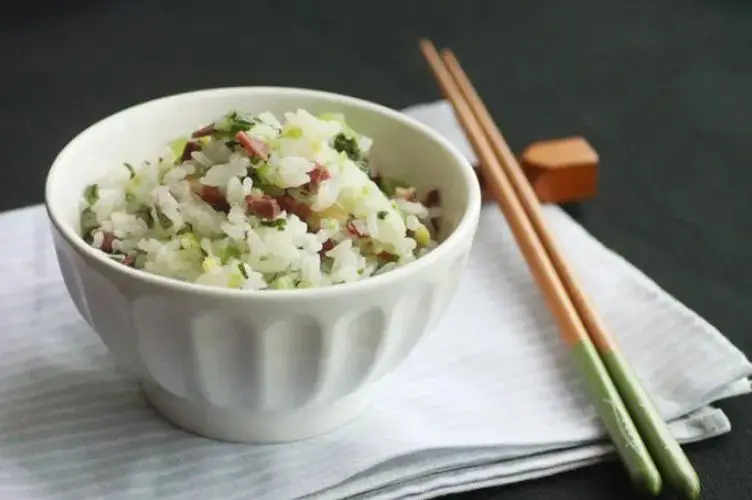
In ancient times, people in Nanjing took Minor Cold quite seriously, but as time went by, the celebration of Minor Cold gradually faded. However, the custom of eating vegetable rice is still followed today.
The rice is steamed and is unspeakably delicious. Among the ingredients, aijiaohuang (a kind of green vegetable), sausage and salted duck are the specialties in Nanjing.
Eating Laba porridge
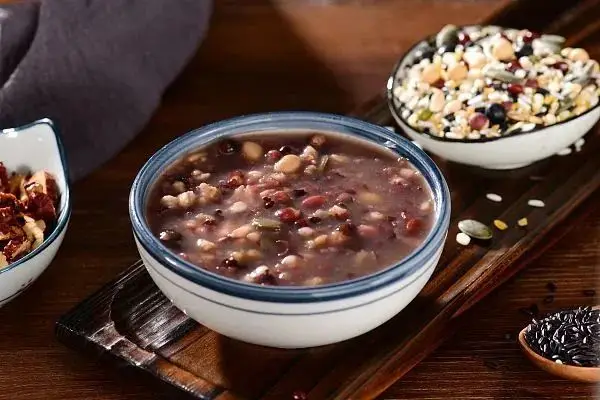
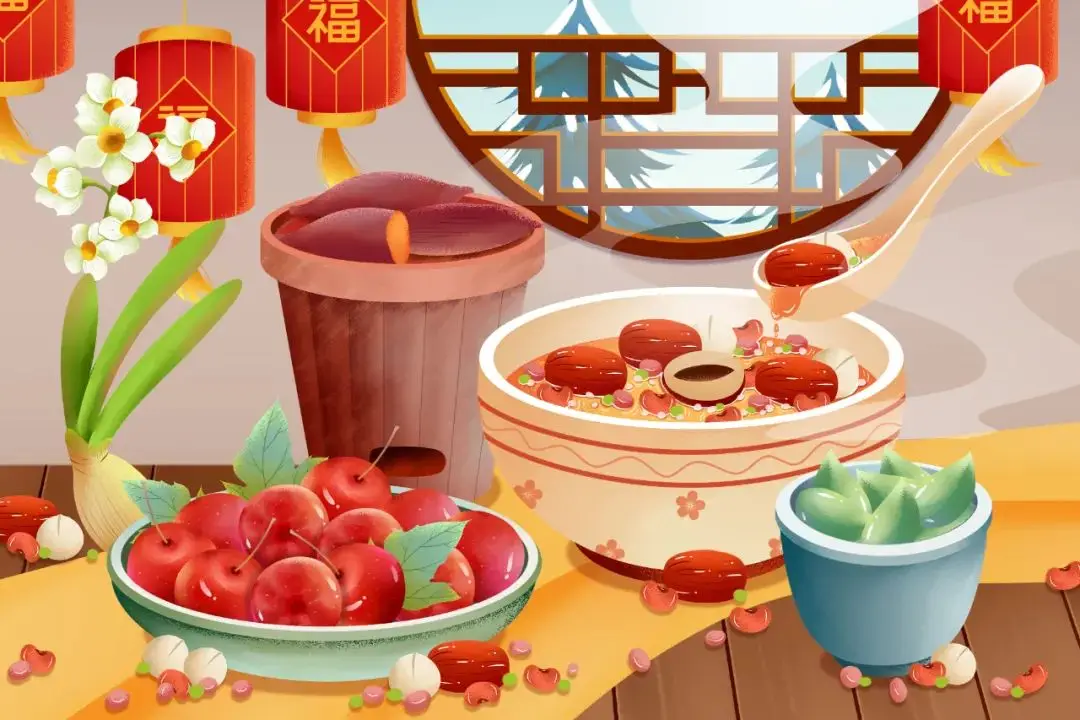
Laba porridge is an important traditional food for Minor Cold. It is made from more than 20 kinds of nuts, cereals and dried fruits. Local people in Beijing often cook Laba porridge on the night of the seventh day of the twelfth lunar month. After one night's slow simmering, all the ingredients melt into the porridge in the morning of the eighth day, becoming a warm delicacy to enjoy on cold days.
Laba porridge is not only easy to prepare, but also a nutritious winter food because it contains amino acids, protein, vitamins and other nutrition people need. Cooked nuts and dried fruit are good for soothing nerves, nourishing one's heart and vitality, and strengthening the spleen.
Eating mutton
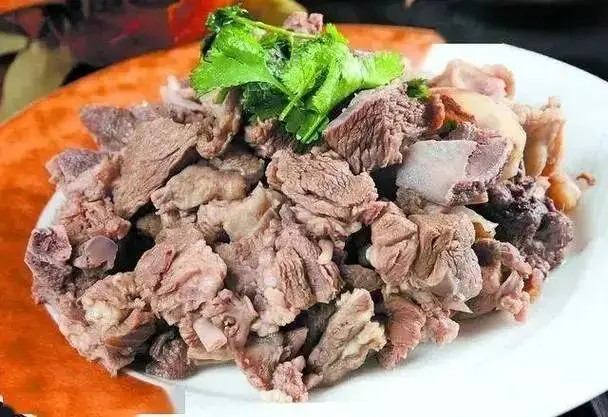
According to traditional Chinese medicine theories, people need to eat food that contains more yang energy to prevent cold from harming their organs,in which mutton is the most common.
Mutton hot pot, chestnuts and baked sweet potato are three recommended foods for Minor Cold. The yang energy in the three types of food is strengthened through their method of cooking: boiling, stir frying and baking.
Ice play
In the northern provinces of China, the climate after winter is very cold, and the ice period will be very long, which usually from November to April. Between spring and winter, the river is thickly frozen, and you will use a climbing plough when walking on the ice. Most of the places with thick ice surfaces will have ice beds for pedestrians to play, and there are also ice skates racing on the ice surface, which was called ice play in ancient times.
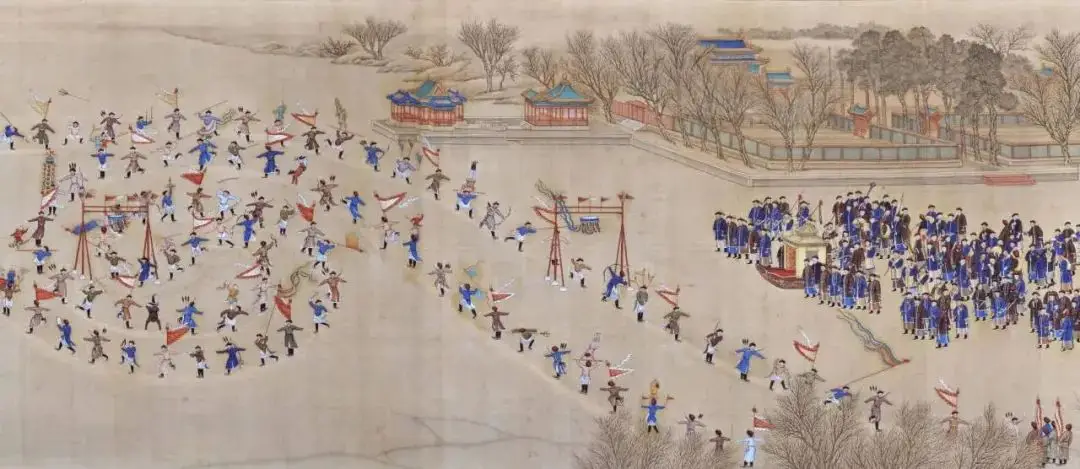
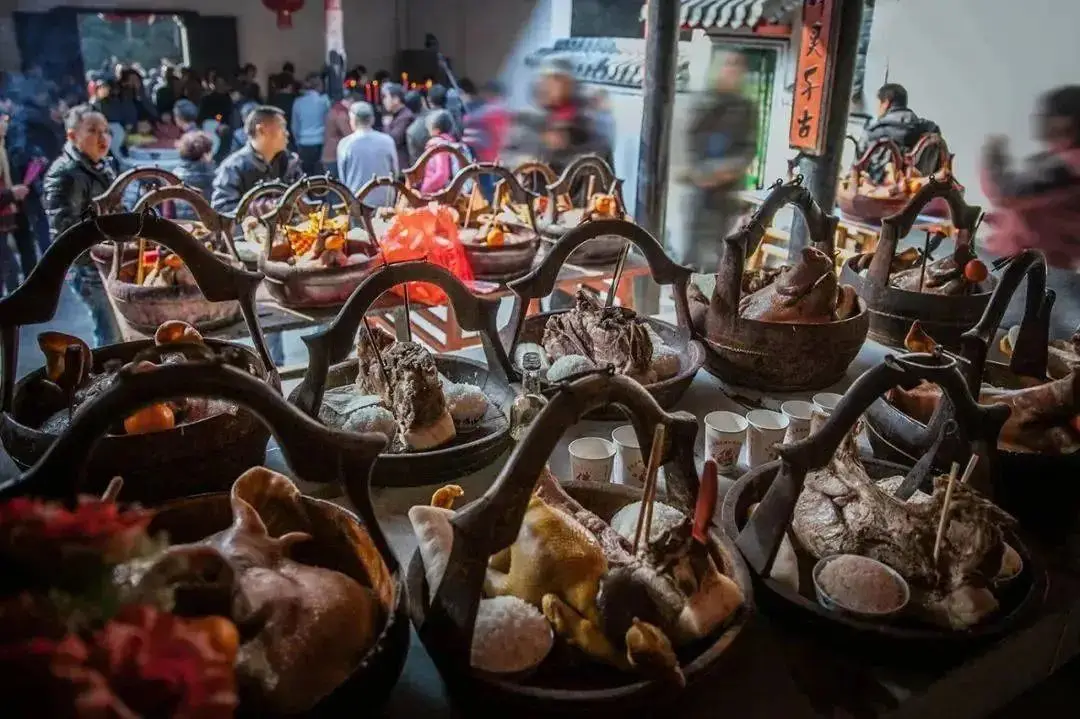
"Minor Cold" is the solar term of the lunar month. Since the ancients would hold a festival to worship all the gods in December, the December is called the lunar month. The literal meaning of “La” is "receiving", which means the handover between the old and the new. As one of the ancient sacrificial customs in China, the sacrificial ceremony was formed in the pre Qin period.
There are three meanings of "Lunar Month sacrifice". First, it means not forgetting the origin of oneself and his family, and expressing respect and remembrance for ancestors. The second is to sacrifice to hundreds of gods and thank them for their contribution to agriculture in the past year. Third, people work hard all the year round. At this time, farming has been stopped, so they can have fun.
Winter training
Generally, Minor Cold is the coldest period in China, which is the best time for exercising and improving one’s physique. To keep warm, Chinese children have special games to play, such as hoop rolling and the cockfighting game.
Nourishing Life During Minor Cold
Traditional Chinese medicine believes that cold is Yin evil, and the coldest solar term is also the peak period of Yin evil. From the perspective of diet regimen, we should pay special attention to eating more warm food in the daily diet to supplement the body and prevent the invasion of cold climate on the human body. Daily food belongs to hot food mainly trout, pepper, cinnamon, pepper, etc; The warm foods are glutinous rice, sorghum rice and concanavalin.
Here are some recipes suitable for small cold food: Angelica 20 g, ginger 30 g, mutton 500 g, rice wine and seasoning. Wash the mutton, cut it into pieces, add Angelica sinensis, ginger, yellow rice wine and seasoning, stew for 1-2 hours, eat meat and drink soup. It is suitable for people with deficiency of blood and Yang, such as mental fatigue, pale complexion, chilly limbs, etc.
Minor Cold usually occurs around the Third Nine-Day Period (the coldest phase of winter). As the saying goes, "The coldest days fall in the Third Nine-Day Period," so one can imagine how severe the chill can be. Weather proverbs from different regions offer further evidence. In northern China, people say, "During Minor Cold and Major Cold, dripping water freezes into ice." In the Jiangnan area, it is said, "In Minor Cold and Major Cold, the cold is enough to form ice lumps." Though both solar terms mark the coldest time of the year, the intensity of the cold varies from year to year.
We know that the coldest time of the year is from the little cold to the big cold, so we should pay attention to keeping warm in our daily life. When you go out, you must wear warm clothes. When the wind is strong, people with weak constitution should also wear hats and masks. Go to bed early and get up late every day. Try not to stay up late. It's better to go to bed at 9-11 PM.


 京公网安备11010802044359