
I. Basic Overview
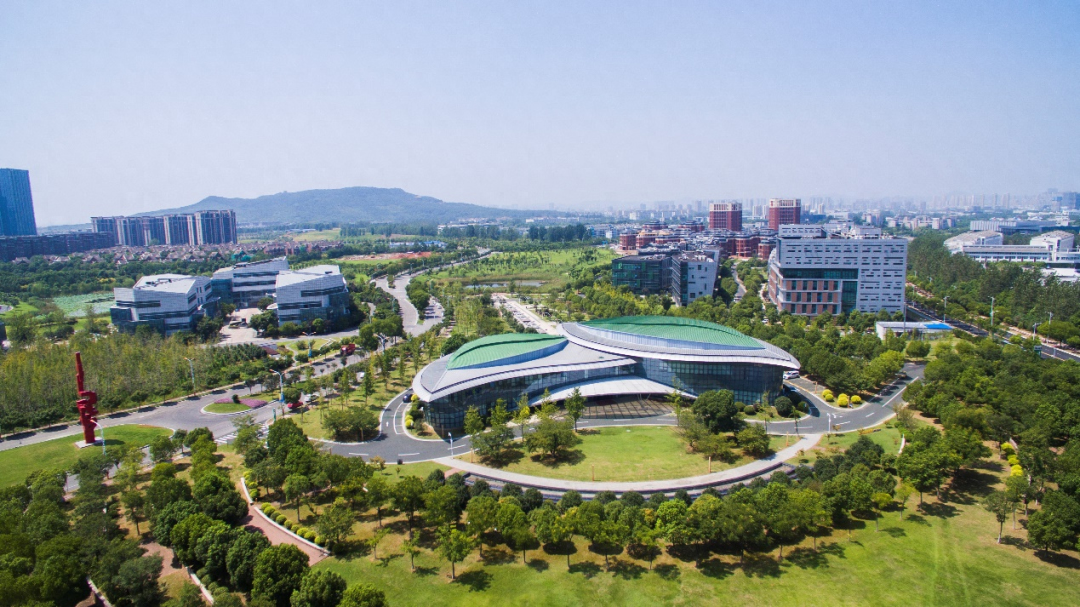
Jiangning High-Tech Zone is an integral part of the national-level Nanjing High-Tech Zone and one of the main hubs for innovation-driven development in Jiangning District. Established in 1994, it was approved as a high-tech industrial development zone by the State Science and Technology Commission in 1997. In 2012, it became one of the first national innovation talent training demonstration bases in China and the only one in Jiangsu Province. In 2013, it was approved as a national innovative characteristic zone and a national torch plan biopharmaceutical characteristic industrial base. In 2016, it became a core area of the Sunan National Independent Innovation Demonstration Zone. It is the only development zone in China that integrates a high-tech industrial zone, a university town, and a scenic tourist resort. Jiangning High-Tech Zone comprises three major areas: Jiangning High-Tech Park, Binjiang Development Zone, and Future Science and Technology City. Under the "one zone, multiple parks" model, it includes nine sub-parks, such as the High-End Equipment Intelligent Manufacturing Industrial Park, Nanjing Life Science Town, and the core area of Future Science and Technology City.
During the 13th Five-Year Plan period, Jiangning High-Tech Zone saw steady growth in various indicators. By the end of 2020, the zone's GDP reached 27.1 billion yuan, with an average annual growth rate of 10.7%, 3.1 percentage points higher than the district average. The general public budget revenue was 2.85 billion yuan, with an average annual growth rate of 3.74%. The total output value of industries above a designated size was 46.7 billion yuan, with an average annual growth rate of 10.1%, accounting for 14.3% of the district's total, an increase of 4.6 percentage points. Among these, the output value of high-end equipment industries reached 27.7 billion yuan, biopharmaceutical industries 5.8 billion yuan, and green intelligent vehicle industries 7.6 billion yuan. The zone has 227 "four-above" enterprises, an increase of 81 compared to the end of the 12th Five-Year Plan period, and 20 listed enterprises, including 8 on the New Third Board. It is home to 231 high-tech enterprises and has added 16 newly registered new research and development institutions, accounting for 17.4% of the district's total. It has introduced and incubated 420 enterprises, with subordinate platforms investing 368 million yuan (228 million yuan by investment companies), including 297 million yuan in funds. The zone has 34 municipal-level or above enterprise technology centers, 52 engineering research centers (engineering laboratories), and 94 engineering technology research centers. The cumulative number of patent applications and authorizations reached 40,339 and 21,811, respectively, with 539 PCT patent applications, all ranking among the top high-tech zones in the city.
II. Organizational Functions
The Jiangning High-Tech Zone Party Working Committee and Management Committee (hereinafter referred to as the "Party Working Committee and Management Committee") are dispatched agencies of the Jiangning District Committee and District Government, at the departmental level.
The Party Working Committee and Management Committee implement the central government's policies and decisions on development zones and the deployments of the provincial, municipal, and district committees and governments. They uphold and strengthen the centralized and unified leadership of the Party over development zone work. Their main responsibilities include:
1. Implementing the Party's policies and decisions of the provincial, municipal, and district committees and governments; coordinating high-quality development work within the dual systems of the district committee, district government, and Nanjing High-Tech Zone.
2. Formulating and implementing the overall economic and social development plans and annual plans for the zone, coordinating major issues in economic and social development; formulating and implementing economic and technical policies and management regulations; and being responsible for economic statistics.
3. Coordinating the construction of the innovation system and industrial development layout, being responsible for technological innovation and investment promotion, promoting the transformation of scientific and technological achievements and the agglomeration of characteristic leading industries; and being responsible for the integrated development of universities and local areas.
4. Formulating and implementing fiscal, tax, and financial development policies; being responsible for the guidance, supervision, and management of state-owned assets.
5. Being responsible for resource planning and environmental protection, improving comprehensive utilization efficiency; and ensuring work safety and emergency management.
6. Being responsible for the development and construction of infrastructure and public facilities in accordance with the urban construction planning requirements of Nanjing and Jiangning District, and handling construction project planning approval and management.
7. Being responsible for urban management, comprehensive governance, risk prevention and control, 12345 government hotline, and livelihood security.
8. Being responsible for Party building, discipline inspection and supervision, personnel management, ideology and cultural and ethical progress, and mass organization work.
9. Handling other tasks assigned by the Jiangning District Committee and District Government.
III. Medium and Long-Term Planning
In the next five years, Jiangning High-Tech Zone will thoroughly implement the spirit of the district Party congress, firmly shoulder its mission, focus on the "four zones and one city" goals, strive to rank among the top ten biopharmaceutical parks in the country, and make every effort to establish a provincial-level high-tech zone. It will contribute to the district's goal of building a globally influential innovation hub, a leading intelligent manufacturing base in the Yangtze River Delta, a model area for Beautiful China, and a demonstration zone for common prosperity, and fully contribute to the construction of a socialist modernization pilot demonstration zone.
By 2025, the GDP will reach 50 billion yuan, with manufacturing added value accounting for more than 45% of GDP. The output value of industries above a designated size will reach 100 billion yuan, with an average annual growth rate of social consumer retail sales of more than 6%. The number of newly registered new research and development institutions will exceed 30, high-tech enterprises will exceed 600, and there will be more than 50 unicorns, potential unicorns, and gazelle enterprises. R&D expenditure will account for more than 4% of GDP, the contribution rate of scientific and technological progress will increase to more than 75%, and the number of high-value invention patents per 10,000 people will reach 135.
By 2035, the zone's layout will be further optimized, its comprehensive strength will be significantly enhanced, and innovation-driven characteristics will be more prominent. The economic output will be 1.5 times higher than in 2020, with several breakthrough scientific and technological achievements. Independent innovation capabilities will rank among the top high-tech zones in the country, and industrial modernization and refinement will be prominent. Advantageous industries such as biopharmaceuticals, high-end equipment manufacturing, and software information will enter the mid-to-high end of the global value chain, forming a globally influential innovative industrial cluster, and building a nationally renowned and internationally first-class high-tech zone.
IV. Comprehensive Support
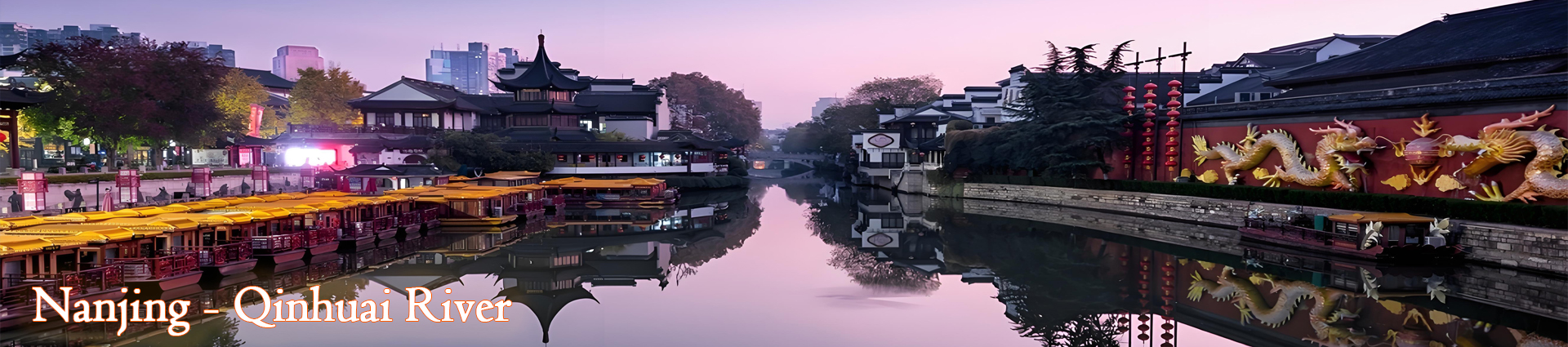
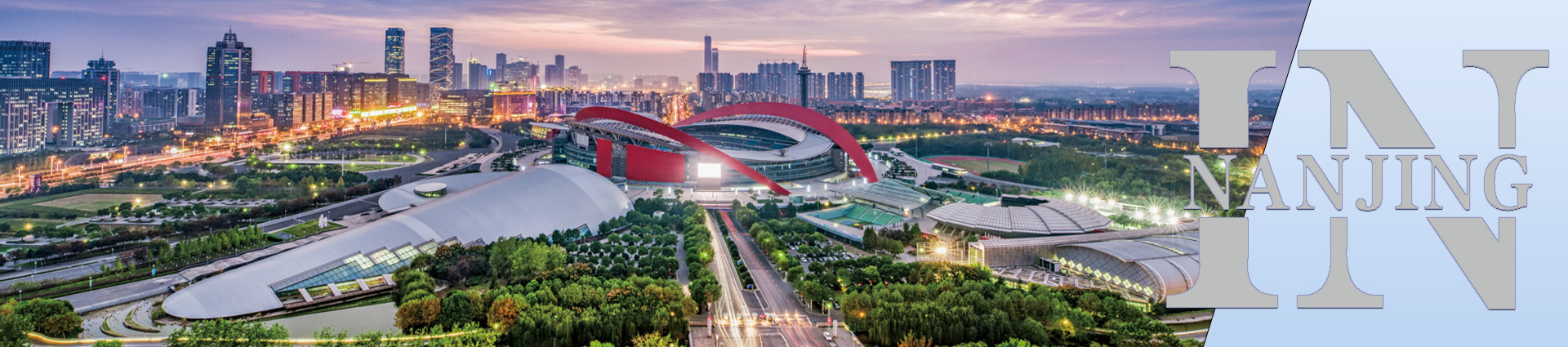
Jiangning High-Tech Zone boasts an excellent natural environment, with sparkling waters and green veins. The Yangtze River and Qinhuai River meander beautifully, and Fangshan National Geopark, Qinhuaiyuan Wetland, Tianyin Lake, and Meilong Lake are like scattered pearls, with a greening rate of over 45%. The zone has a unique geographical advantage, with the integration of air and rail ports, less than 30 minutes from Nanjing Lukou International Airport, and two high-speed rail stations, Jiangning Station and Jiangning West Station. Nanjing Metro Line 1, the Ring Expressway, Ninghang Expressway, and Ninghang High-Speed Railway pass through the zone. Comprehensive supporting facilities are continuously improving, with a number of high-end complexes and cultural and sports leisure centers scattered throughout. High-quality educational resources such as the Nanjing Foreign Language School branch and the Nanjing Lixue Primary School branch are gathered here. Yifu Hospital, built according to international JCI standards, and the Jiangning District Social Welfare Center are located here. High-end complexes and cultural and sports leisure centers such as COFCO Joy City, Longhu New One City, Huayi Movie Town, and Fangshan Health Sports Park are scattered throughout, integrating advanced cultural facilities and fashionable lifestyles. While enjoying modern civilization, one can also experience the environmental quality of low-carbon living. A new urban center where "people, industry, and city" coexist harmoniously and "production, commerce, and residence" are balanced is rapidly rising.
V. Other Information
[Innovation Characteristics] The zone adheres to talent-led innovation and actively builds a multi-level, comprehensive, and comparative advantage innovation ecosystem with "one core and multiple points, a core without boundaries." It has introduced and cultivated more than 100 top talents, including academicians, national-level plan talents, and Jiangsu Province double innovation talents, and established more than 200 technical research centers and incubators. It has built a "small science and technology enterprises - high-tech enterprises - gazelles - unicorns" science and technology innovation forest, creating an enterprise innovation matrix. The number of invention patent applications has maintained an average annual growth rate of more than 30%, and the number of invention patents per 10,000 people exceeds 250, far higher than the average level in Nanjing. The zone has outstanding advantages in scientific and educational innovation resources, with 12 universities and nearly 200,000 teachers and students, including China Pharmaceutical University and Nanjing Medical University. It implements a "racehorse system" and "topic-based" cooperation, promotes "one school, one policy" to empower industrial development, fully utilizes alumni economy, and strives to build an innovation achievement incubation circle of "mass innovation space + incubator + accelerator" with the linkage of the zone, campus, city, and community.
[Innovation Policies] Leveraging the advantages of the Sunan National Independent Innovation Demonstration Zone, the zone has explored and introduced a series of innovation support and industrial upgrading policies, building the best innovation development policy environment. It focuses on implementing the "Series of Policies to Promote Scientific and Technological Innovation Capability Improvement," providing comprehensive and multi-level support for the cultivation of high-tech enterprises, the construction of new research and development institutions, the development of scientific and technological innovation carriers, and the improvement of intellectual property capabilities. It has partnered with well-known venture capital institutions to establish multiple industrial funds, helping enterprises solve financing bottlenecks throughout their life cycle and achieve rapid and high-quality development. Focusing on the zone's characteristic leading industries, it implements the "Several Policies to Accelerate the High-Quality Development of the Biopharmaceutical Industry," creating a full-process policy support service system tailored to the needs of biopharmaceutical enterprises at different stages of development.

 京公网安备11010802044359